Kyoto survived World War II intact because Henry Stimson, U.S. Secretary of War, pulled it from the bombing list. He'd visited before the war and understood what would be lost. That decision is why you can still walk through 1,200 years of Japanese civilization in a single afternoon — and why Kyoto is worth the effort of getting there.
Explore Kyoto
Discover Kyoto through photos that tell the story.
Find out how well you know Kyoto.
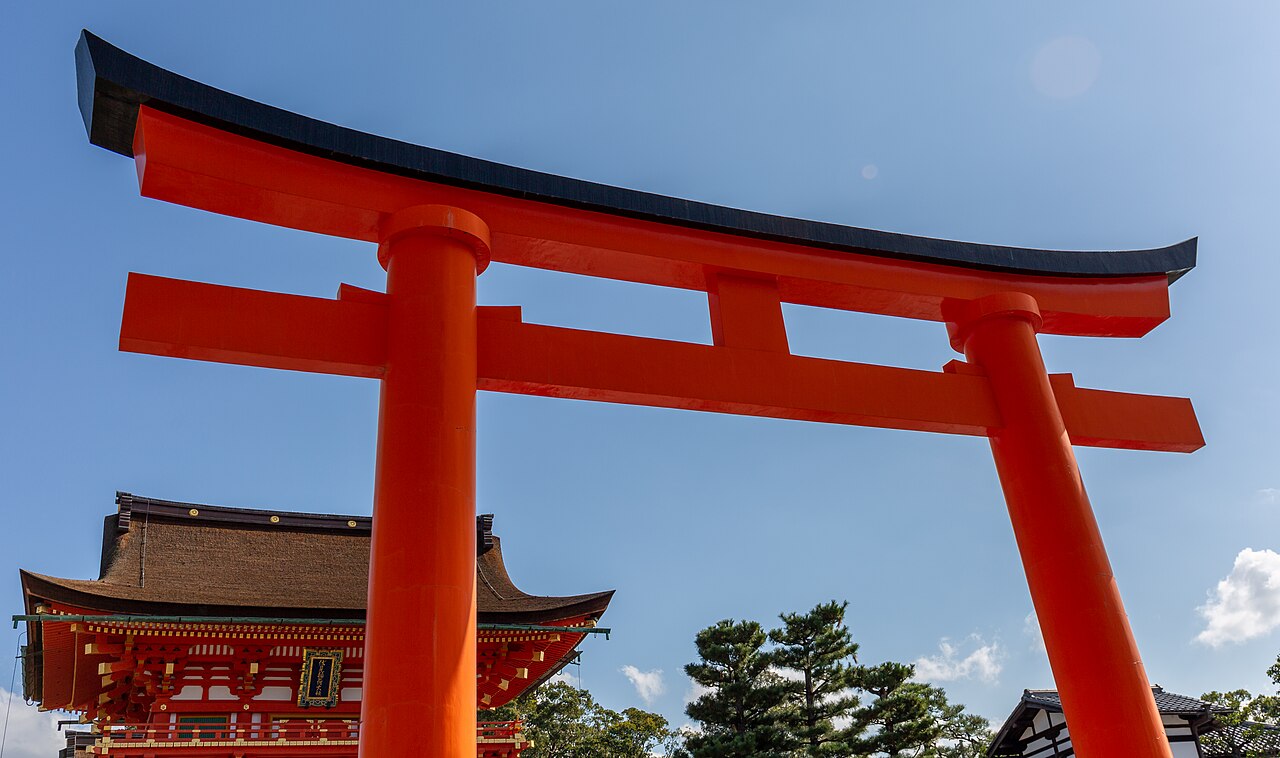
The numbers tell you something: 1,600 Buddhist temples, 400 Shinto shrines, 17 UNESCO World Heritage Sites within one city. But the numbers don't prepare you for Fushimi Inari-taisha, the Shinto shrine founded in 711 AD where thousands of vermilion torii gates march four kilometers up a mountain, each one donated by a business seeking favor from Inari, deity of rice and prosperity. It's one of those places that looks surreal in photos and then looks exactly that surreal in person. Stone foxes — kitsune, messengers of Inari — stand guard throughout. I don't use the word 'otherworldly' lightly, but this earns it.
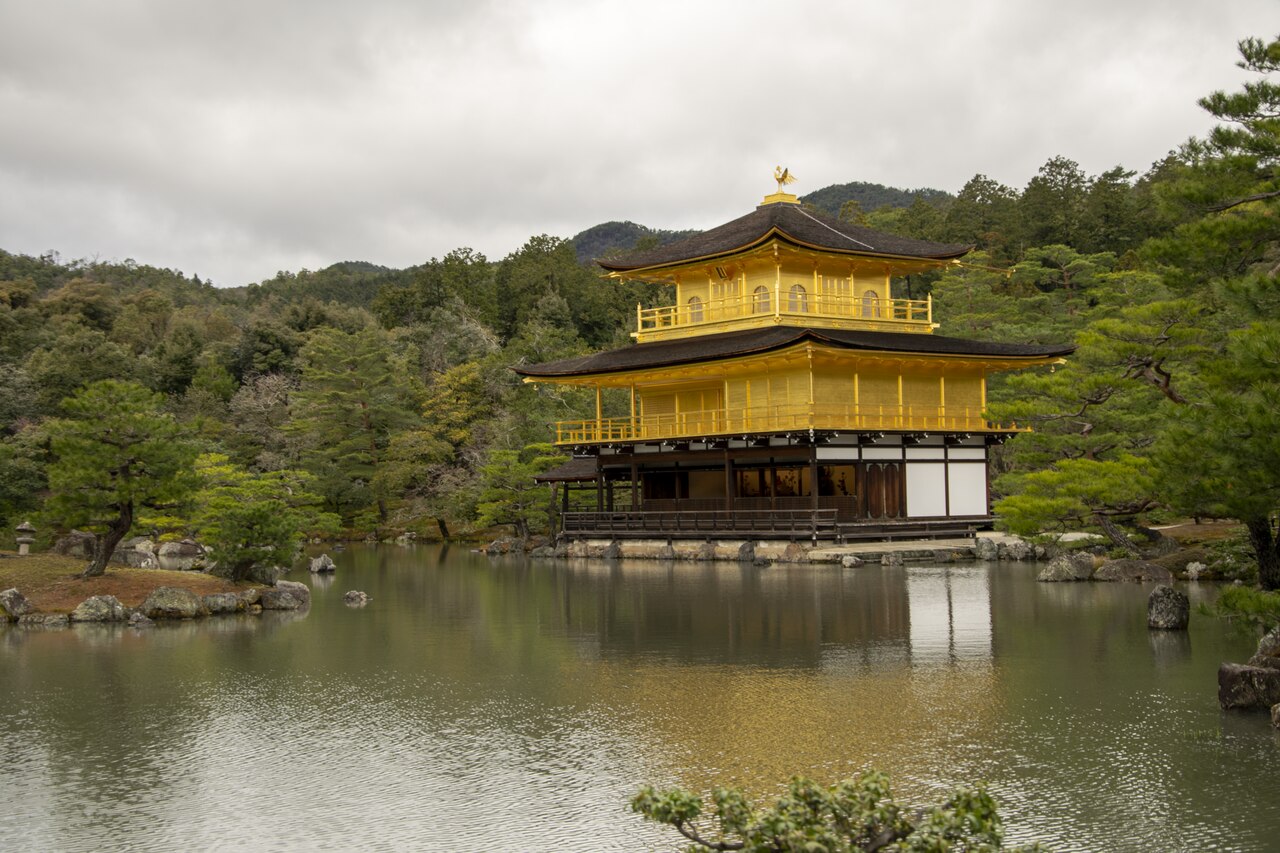
Kinkakuji, the Golden Pavilion, also delivers. Built in 1397 as Shogun Ashikaga Yoshimitsu's retirement villa, covered entirely in gold leaf, reflected in a mirror pond — it's as dramatic as advertised. What the photos leave out: the current structure is a 1955 reconstruction. A disturbed monk burned the original in 1950, which shocked the nation and inspired Yukio Mishima's most famous novel. Knowing that adds something to standing in front of it. Ryoanji's 15-stone rock garden offers a different kind of impact — quiet, almost destabilizing. No matter where you stand at the viewing veranda, one stone is always hidden from sight. It's a metaphor for enlightenment that actually works.
Here's the honest caveat: Kyoto draws 50 million visitors a year and you'll feel it at every major site. The Arashiyama bamboo grove — genuinely one of the most striking places I've seen, light filtering green through towering Moso stalks — is also one of the most photographed spots in Japan. Go at dawn or accept the crowds. Gion district, where geiko (Kyoto's term for geisha) and their maiko apprentices still walk silk-kimono-clad to ochaya teahouse engagements at dusk, has become so besieged by tourists that parts of it are now patrolled and photography is restricted. The city's preservation has attracted the very forces threatening it.
That tension is real, but Kyoto hasn't lost what makes it worth going. Nijo Castle's nightingale floors — engineered to squeak melodically under every footstep as an assassination early-warning system — are a strange and memorable detail you won't find anywhere else. Kiyomizudera Temple's wooden stage, built over a forested cliff using 139 interlocking pillars and no nails, offers panoramic views of the city. The moss-covered gardens of Saihoji require advance reservation and are quieter as a result. Stay close to the areas you want to explore — this isn't a city for commuting from a budget hotel on the outskirts. Kyoto rewards the visit you invest in.