Jerusalem doesn't ease you in. The moment you walk through Jaffa Gate into the Old City, you're standing inside one of the most contested square kilometers on Earth — a place where three major religions have staked claims to the same hilltop for 3,000 years, and none of those claims have ever fully resolved. That tension is the whole point. Understanding it is what separates a meaningful visit from a confusing one.
Explore Jerusalem
Discover Jerusalem through photos that tell the story.
Find out how well you know Jerusalem.
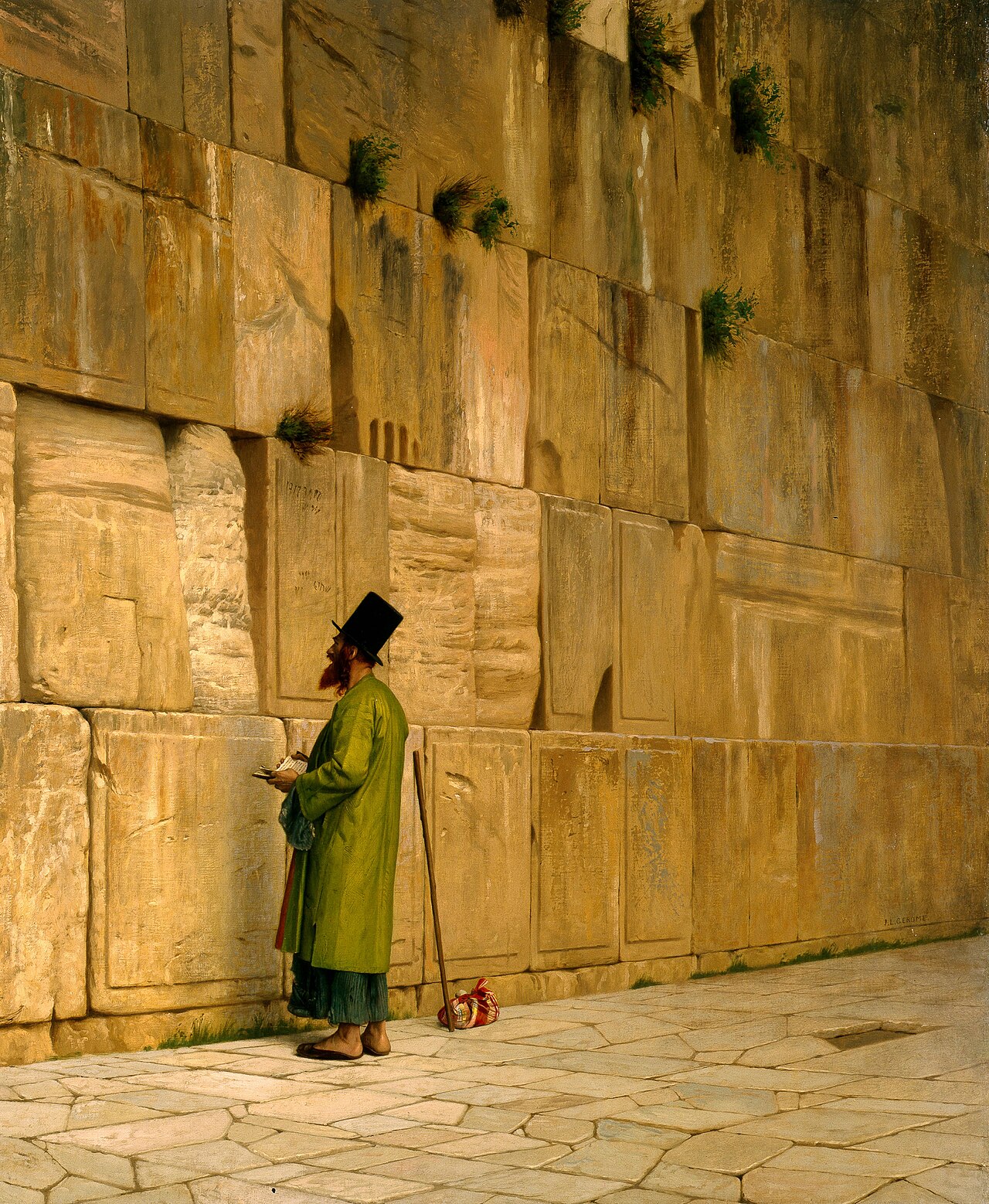
King David captured the city from the Jebusites around 1000 BC and made it his capital. His son Solomon built the First Temple on Mount Moriah around 957 BC to house the Ark of the Covenant — a single act of consecration that set in motion every conflict that followed. The Babylonians destroyed the Temple in 586 BC. The Jews returned from exile and rebuilt it. Herod the Great expanded it dramatically beginning around 20 BC into what became one of the largest religious complexes in the ancient world. The Romans destroyed it in 70 AD following a Jewish revolt. What remains is the Western Wall — technically a retaining wall from Herod's expansion, but the holiest accessible site in Judaism. The reason matters: it's the closest physical point to where the Temple's Holy of Holies once stood. Millions of worshippers have pressed written prayers into its cracks for two millennia. Some stones weigh up to 570 tonnes. Standing in front of them, you feel the weight — literally and otherwise.
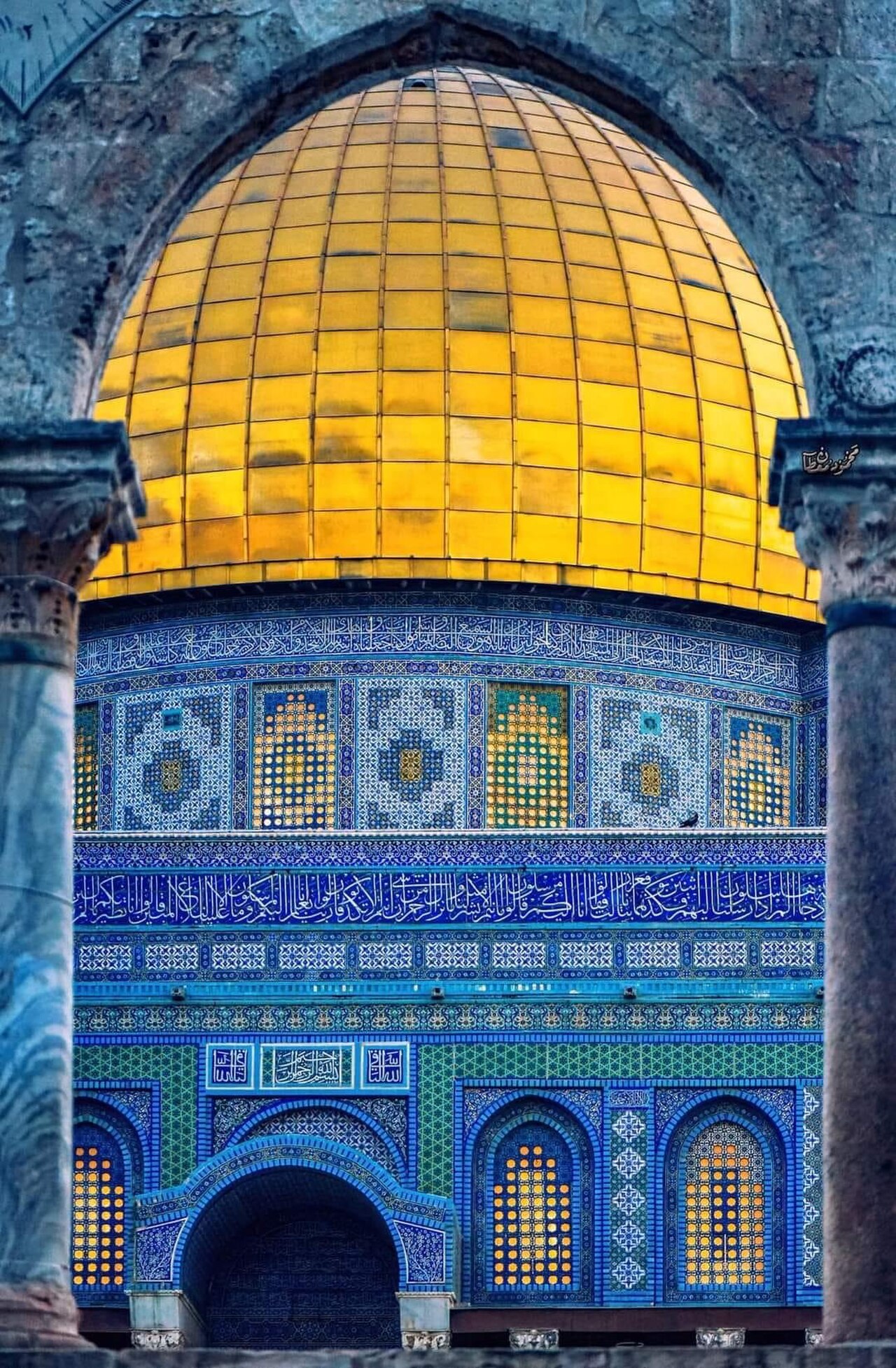
Islam's connection to the same ground is just as deep. The Dome of the Rock, completed in 691 AD by Umayyad Caliph Abd al-Malik, stands on the Temple Mount — Al-Haram al-Sharif, Islam's third holiest site after Mecca and Medina. Beneath the golden dome is the rock from which Islamic tradition holds the Prophet Muhammad ascended to heaven on his Night Journey. The geometric mosaics inside are among the finest examples of early Islamic art anywhere in the world. The Al-Aqsa Mosque stands nearby on the same platform. Moving 50 meters on the Temple Mount can shift you across a thousand years and two faiths. That's not metaphor — that's the actual geography.
For Christians, Jerusalem is where the central events of the faith happened: crucifixion, burial, resurrection. The Church of the Holy Sepulchre, built by Constantine's mother Helena in 326 CE, houses both Calvary and the empty tomb under one roof. It's jointly administered by six Christian denominations, a cohabitation so historically fraught that a Muslim family — the Joudeh family — has held the church's key since 1187 AD to prevent the Christian denominations from fighting over access. That detail is worth sitting with. Even sacred spaces here require diplomatic solutions.
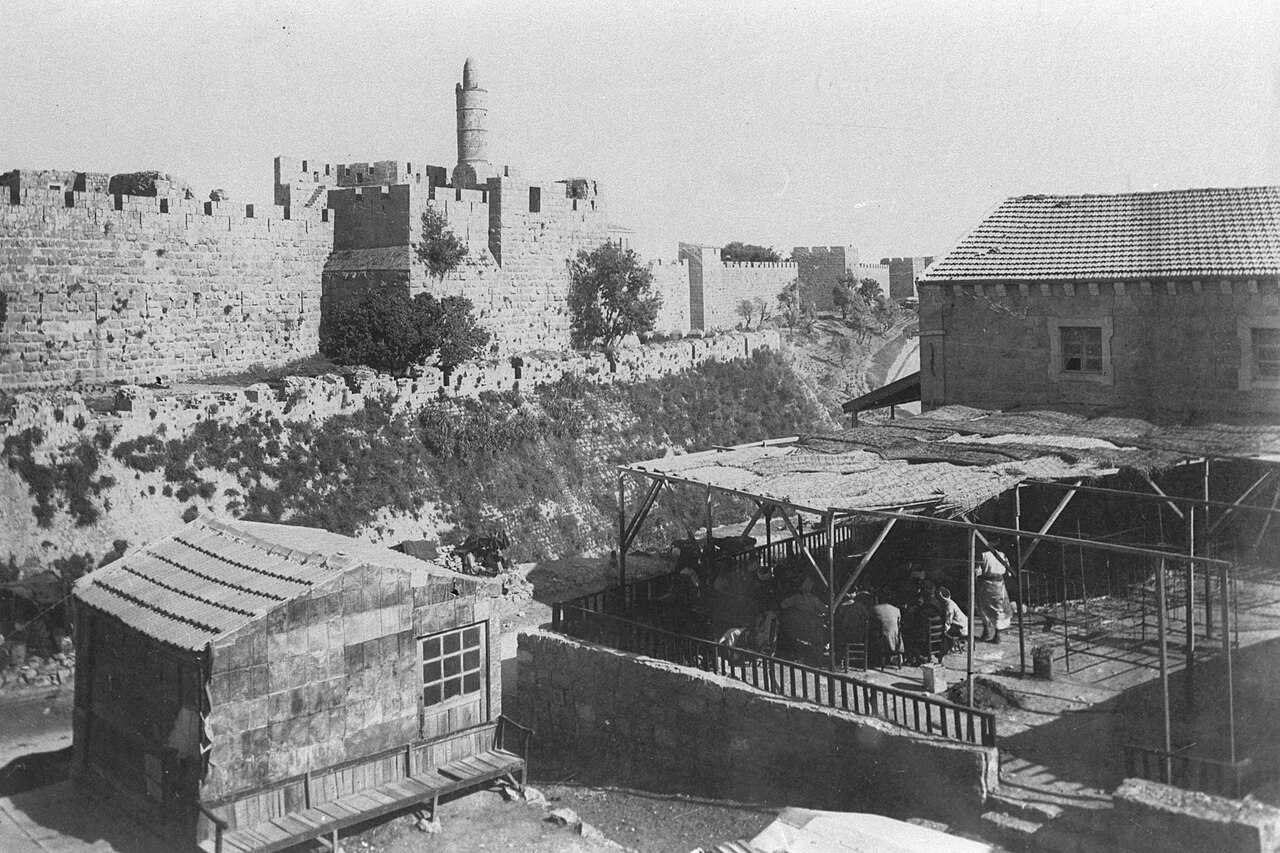
The Old City itself covers just one square kilometer and has changed hands at least 44 times throughout history. The Jewish, Muslim, Christian, and Armenian quarters each preserve distinct architectural and cultural layers, all enclosed within Ottoman walls built by Suleiman the Magnificent in the 1530s — walls that sit on Roman, Byzantine, and Crusader foundations. It's been a UNESCO World Heritage Site since 1981. It also remains at the center of the Israeli-Palestinian conflict, and that context doesn't disappear when you walk through the gates. Go in knowing that, and this place is one of the most extraordinary things I've seen. Go in expecting it to feel like a normal tourist destination, and you'll miss what makes it unlike anywhere else.