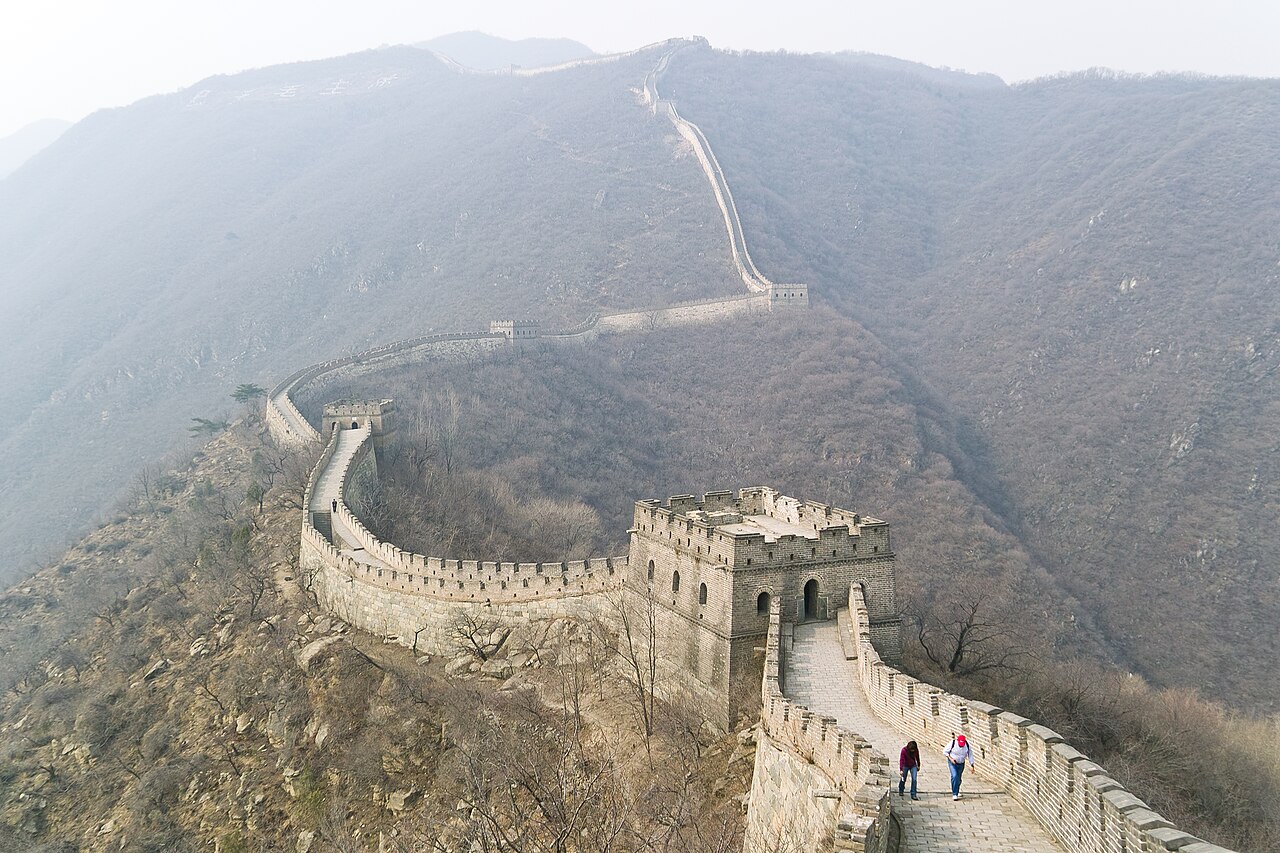
The Great Wall doesn't disappoint. What disappoints is how most people see it — a quick bus trip to Badaling, shoulder-to-shoulder with tour groups, back to Beijing by lunch. You'll have checked the box, but you won't understand what you're looking at.
Explore Great Wall of China
Discover Great Wall of China through photos that tell the story.
Find out how well you know Great Wall of China.
The wall most visitors see is Ming Dynasty work — 1368 to 1644 AD. The Ming emperors undertook the most systematic and durable construction campaign in the wall's history, building in fired brick with crenellated battlements and evenly spaced watchtowers across approximately 8,850 kilometers. It was also extraordinarily costly in human terms. Hundreds of thousands of soldiers, peasants, and prisoners worked under conditions brutal enough that the wall earned a grim nickname: 'the longest cemetery on Earth.'
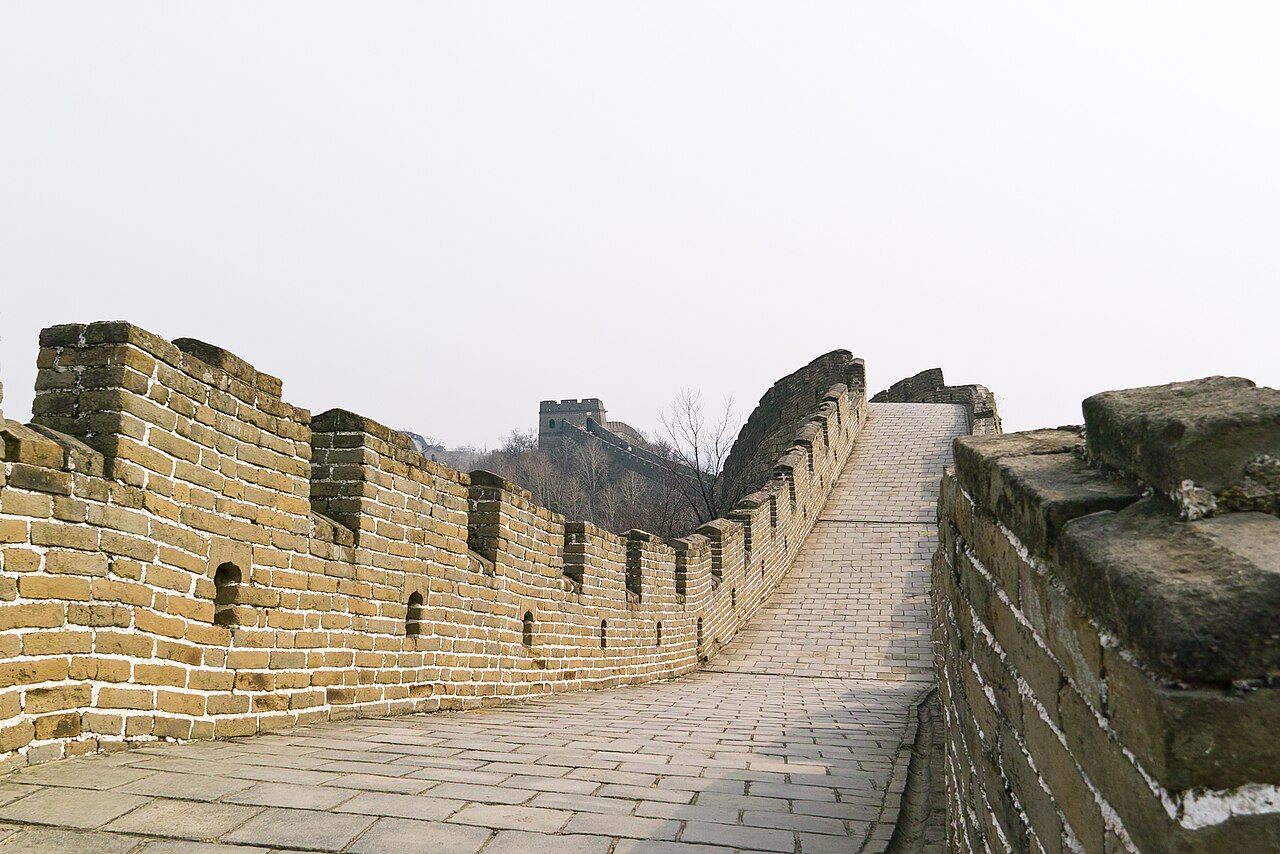
The origins go back further. The first Qin Emperor, Qin Shi Huang, unified China in 221 BC and connected existing defensive walls into a coherent frontier system. The Han Dynasty pushed it westward into Central Asia to protect the emerging Silk Road routes. Later dynasties added, rebuilt, and abandoned sections as the threat from nomadic peoples shifted. The full total — all walls, all periods — exceeds 21,000 kilometers, running from Shanhaiguan Pass on the Bohai Sea east to Jiayuguan Fort at the edge of the Gobi Desert. Watchtowers every 100 to 200 meters relayed signals across the entire frontier using smoke by day and fire by night.
Whether the wall actually worked militarily is a fair question. Genghis Khan's Mongols breached or circumvented it and conquered China in 1271. But military effectiveness wasn't the whole point — the wall also served as a customs barrier controlling trade and immigration, a logistics corridor for moving troops along the frontier, and an unmistakable statement of imperial reach. The Ming wall in particular funneled nomadic movements to specific passes where concentrated garrisons could mount effective resistance.
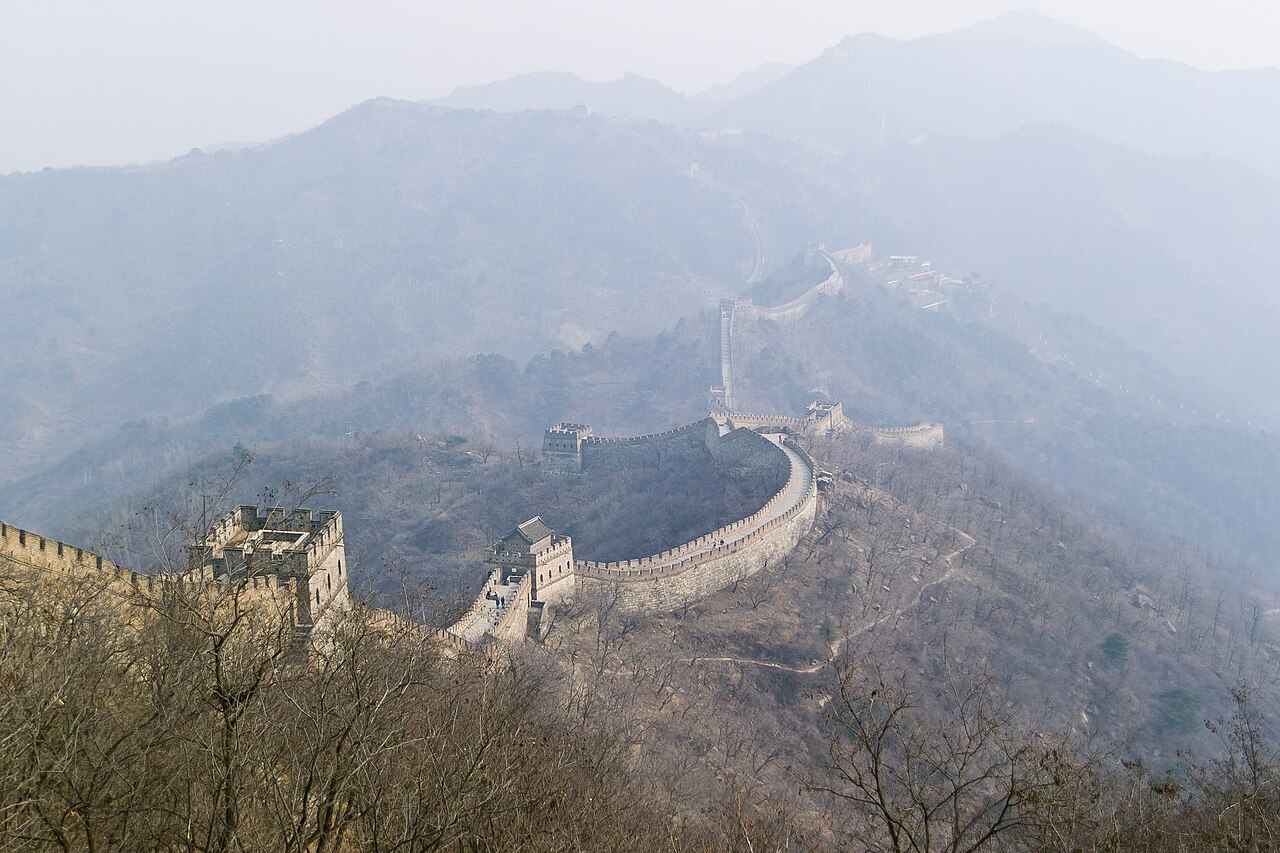
The honest caveat: section choice matters more than people realize. Badaling is the most famous, the most restored, and the most overwhelmed — it's fine, but it's a theme park version of the experience. Mutianyu is better: a high ridge with 22 watchtowers, less crowded, high-quality restoration. Jinshanling is where serious visitors go — 67 watchtowers, sophisticated original defensive features, enough authentic decay to feel real. Jiankou is for the committed: unrestored, steep, no facilities, original Ming stonework exposed to five centuries of weather. Worth it if you want the dramatic views. Simatai, especially at night, preserves the wall in its most authentic accessible state.
The wall was designated a UNESCO World Heritage Site in 1987 and draws tens of millions of visitors annually. About 30% of the Ming wall has disappeared entirely — erosion, vegetation, and locals removing bricks for construction over the centuries. The widely repeated claim that it's visible from space with the naked eye has been definitively disproven by astronauts. What remains is still the most ambitious construction project in human history, and most people who visit wish they'd spent more time on it.