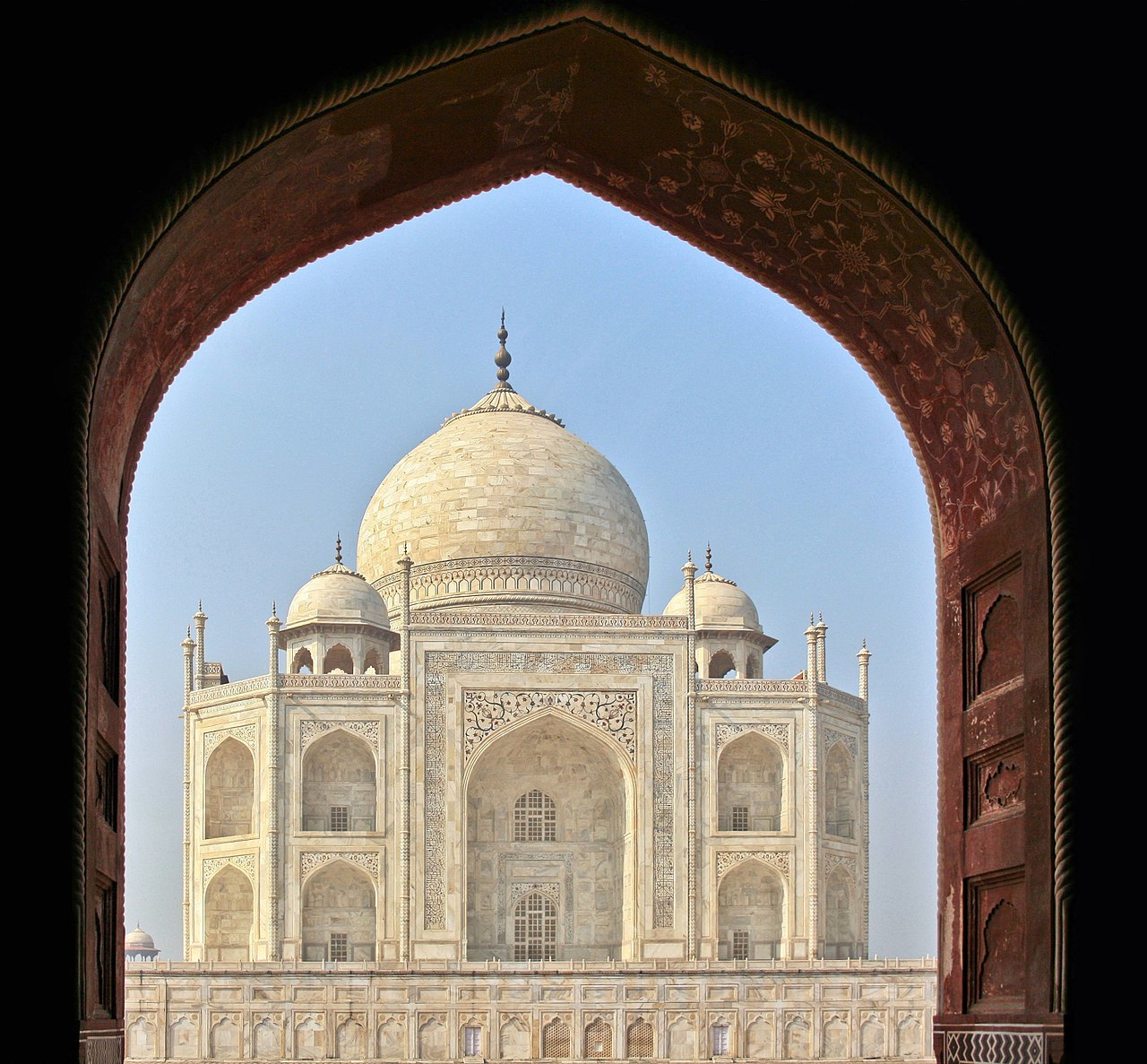
Seven million people visit the Taj Mahal every year. I mention that not to discourage you, but because it matters to how you experience it. Go at sunrise, get there before the gates open, and the crowds haven't arrived yet. That's when you understand why Shah Jahan spent what would be billions of modern dollars building this place — and why he spent the last eight years of his life in prison just to keep it in sight from his window.
Explore Taj Mahal
Discover Taj Mahal through photos that tell the story.
Find out how well you know Taj Mahal.
The story behind the Taj Mahal is more compelling than most monuments. Shah Jahan commissioned this marble mausoleum in 1632 to honor Mumtaz Mahal, his wife of 19 years, who died giving birth to their 14th child. He reportedly turned white overnight at her death. He wore mourning clothes for two years. Then he built something that took 21 years to complete, employed 20,000 craftsmen drawn from across the empire and beyond, and consumed a fortune by any measure. The grief was real, and the scale reflects it.
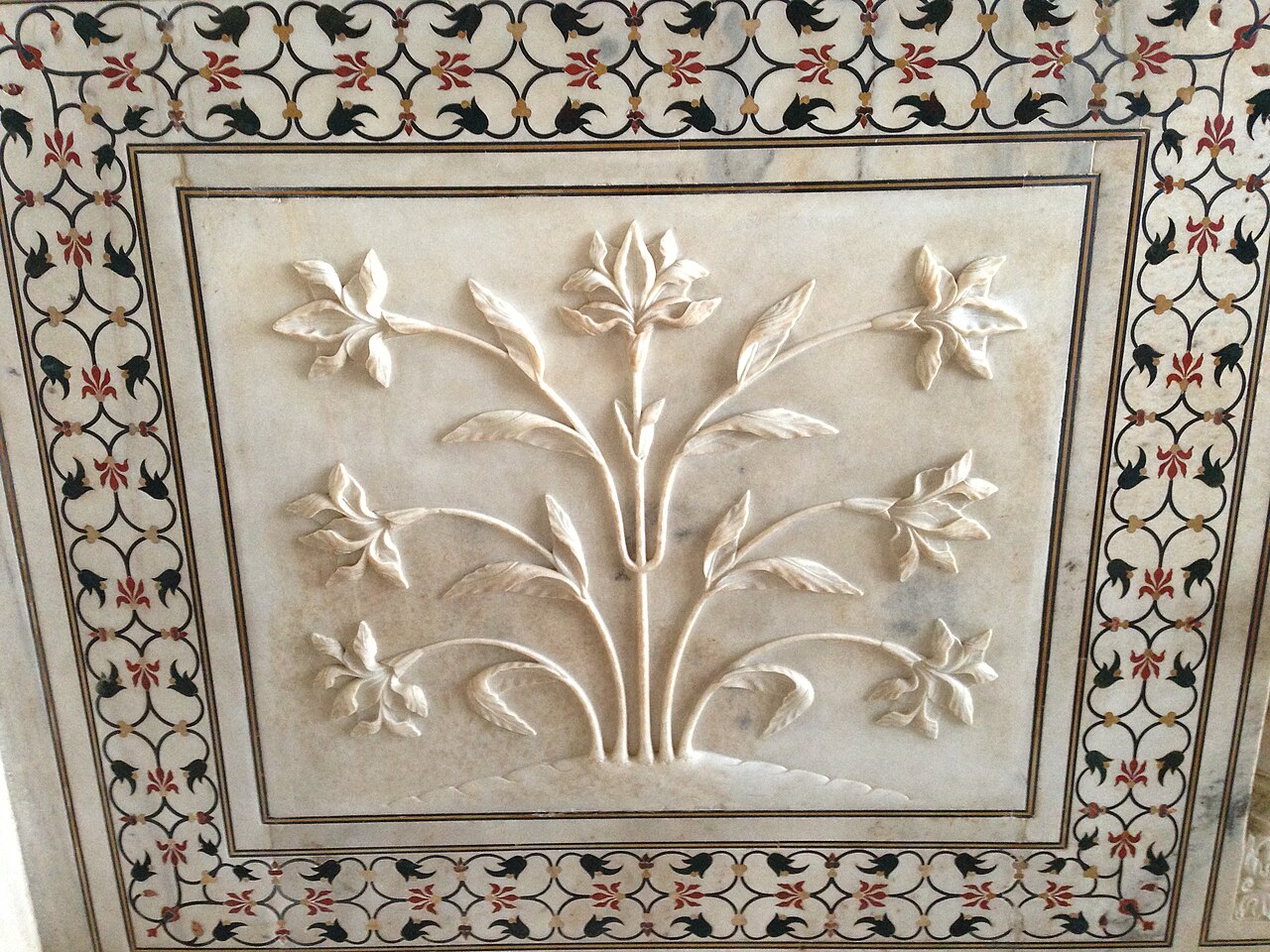
The architecture earns its reputation. The main dome rises 73 meters above the platform, surrounded by four smaller domed chattris and four minarets that lean slightly outward — a deliberate structural precaution so that if they ever fell, they'd fall away from the tomb rather than onto it. The exterior is Makrana marble from Rajasthan, inlaid with 28 types of precious and semi-precious stones: lapis lazuli, turquoise, jade, carnelian, onyx. The Quranic calligraphy around the entrance arch uses slightly increasing letter sizes toward the top, so from the ground it all reads as uniform — a refinement that most visitors never notice but that tells you something about the level of thought that went into every detail.
The 300-meter reflecting pool delivers exactly what you expect. The gardens follow the Persian Chahar Bagh layout, divided into four quadrants by water channels representing the four rivers of paradise. What most people don't know: Shah Jahan planned to build a matching black marble mausoleum for himself across the Yamuna River, connected by a bridge. His son Aurangzeb deposed him in 1658 before that could happen, and Shah Jahan spent his last years imprisoned in Agra's Red Fort — close enough to see the Taj Mahal from one window, but never to return. He was buried beside Mumtaz in the underground chamber, the only asymmetry in an otherwise perfectly symmetrical monument.
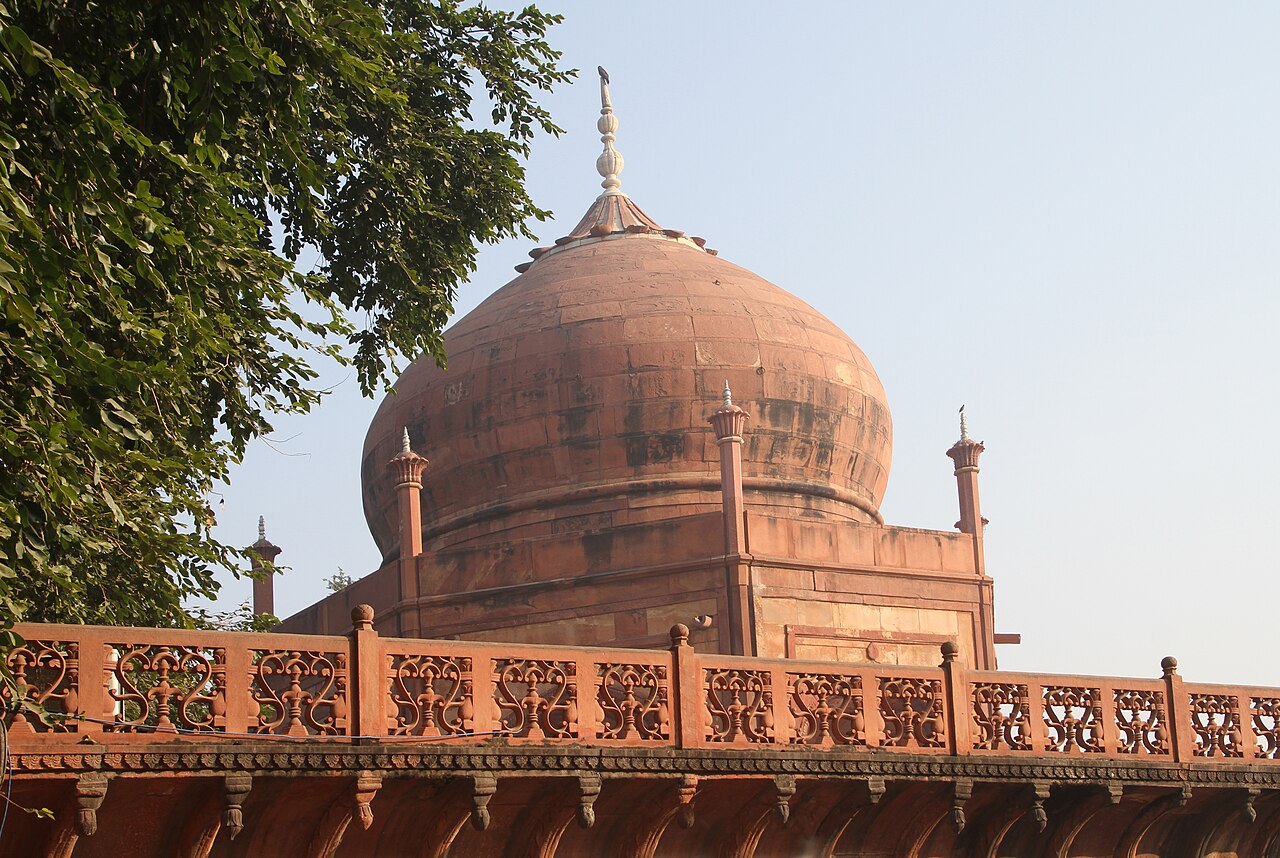
The Taj Mahal became a UNESCO World Heritage Site in 1983 and a New Seven Wonders of the World honoree in 2007. The honest caveat: pollution from nearby industries discolored the marble for decades, and while factory closures and conservation treatments — including periodic 'mud packs' of Fuller's earth to draw out embedded pollutants — have helped, it's an ongoing effort. Whether it's worth going is a question you can answer yourself: it's one of the few places where the photographs don't actually do it justice. That happens rarely enough that it's worth noting.