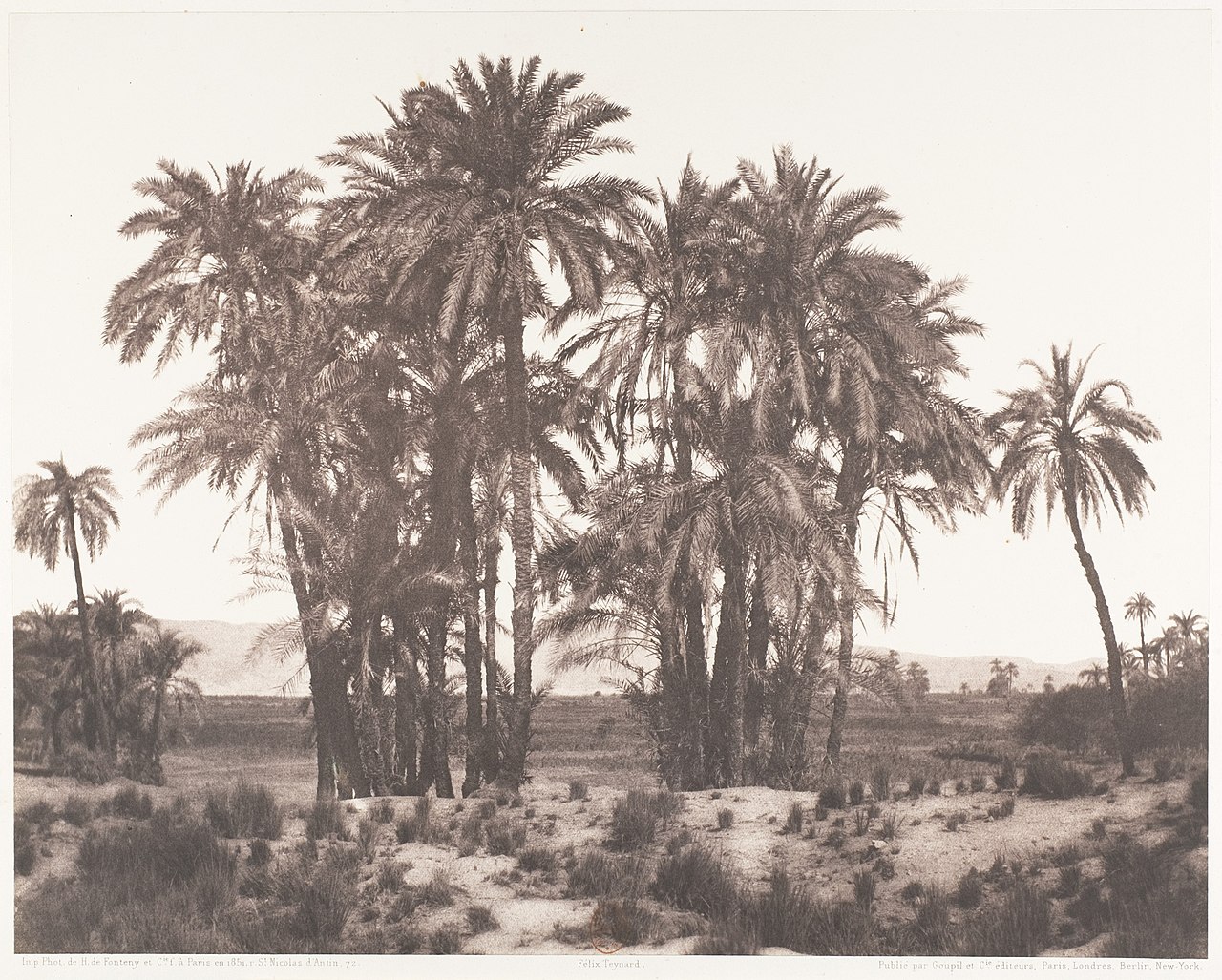
Standing inside the Great Hypostyle Hall at Karnak, you realize no photograph has ever done it justice. That's the honest truth about Luxor: it outscales your imagination every time, and your imagination was already working hard. The ancient Egyptians called this city Waset — the Greeks called it Thebes, we call it Luxor — and at its height during the New Kingdom (1550–1070 BC) it was probably the largest city in the world. Homer praised it as 'hundred-gated Thebes.' It earned that.
Explore Luxor
Discover Luxor through photos that tell the story.
Find out how well you know Luxor.
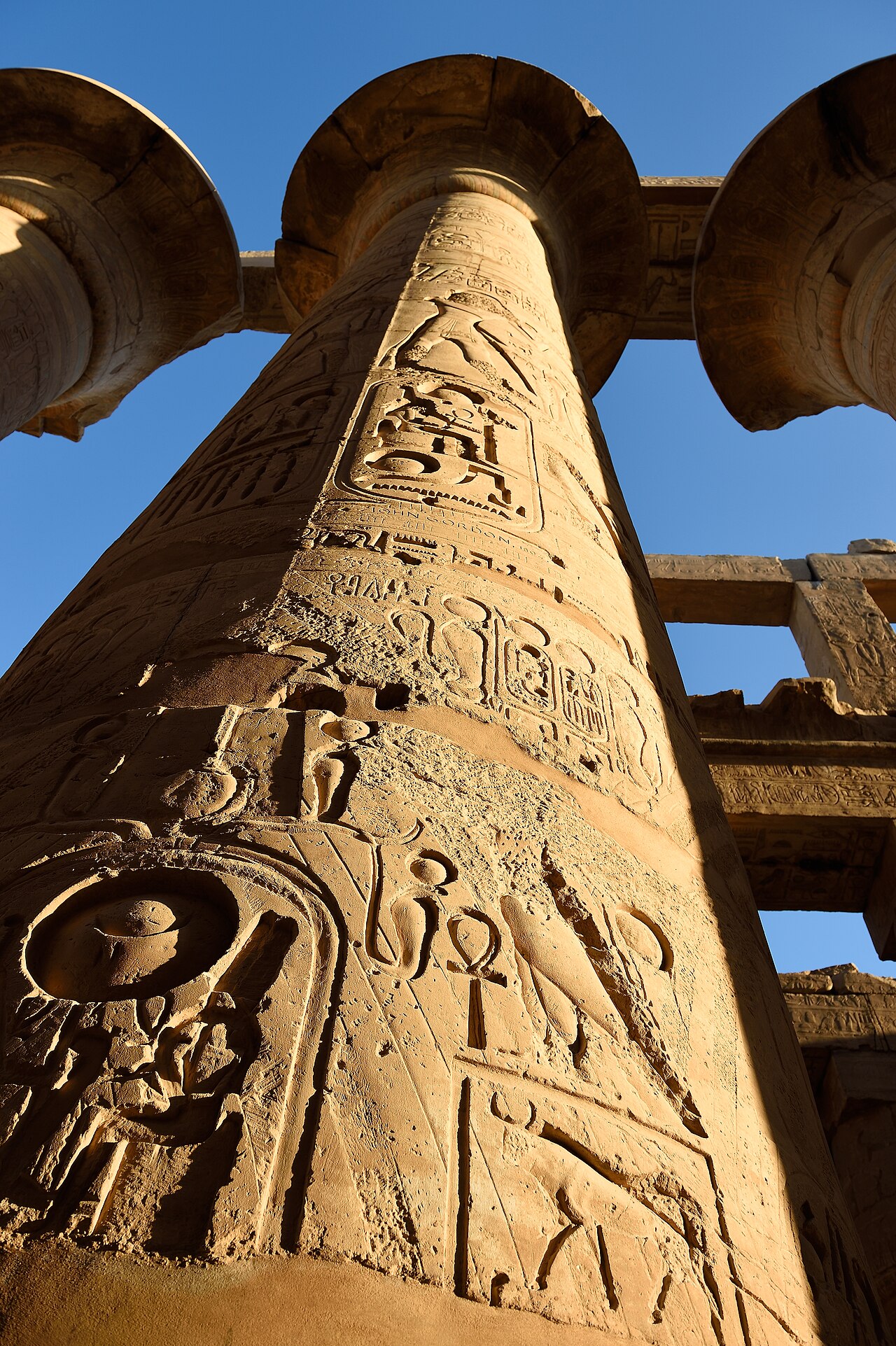
Karnak was built over roughly 2,000 years — from around 2055 BC to 100 BC — by approximately 30 different pharaohs, each adding to a complex dedicated primarily to Amun-Ra, king of the gods. The Great Hypostyle Hall, completed under Seti I and Ramesses II in the 13th century BC, holds 134 papyrus-capital columns in 16 rows, their surfaces still carrying painted religious texts that once glowed in torchlight. Notre-Dame Cathedral fits inside it. That's a useful benchmark: you walk in and your first thought is that this shouldn't be possible.
The west bank is where the pharaohs are buried. Sixty-three tombs cut into the limestone cliffs of the Valley of the Kings served as the royal necropolis from the 18th through 20th Dynasties (approximately 1539–1075 BC). Almost every one was robbed in antiquity. The exception — Howard Carter's 1922 discovery of Tutankhamun's relatively intact tomb — gave the world its clearest picture of what these burials contained. That one boy king's tomb, from a pharaoh who died young and ruled unremarkably, held enough gold and art to redefine how we understood ancient Egypt. Think about what the major pharaohs' tombs must have held.
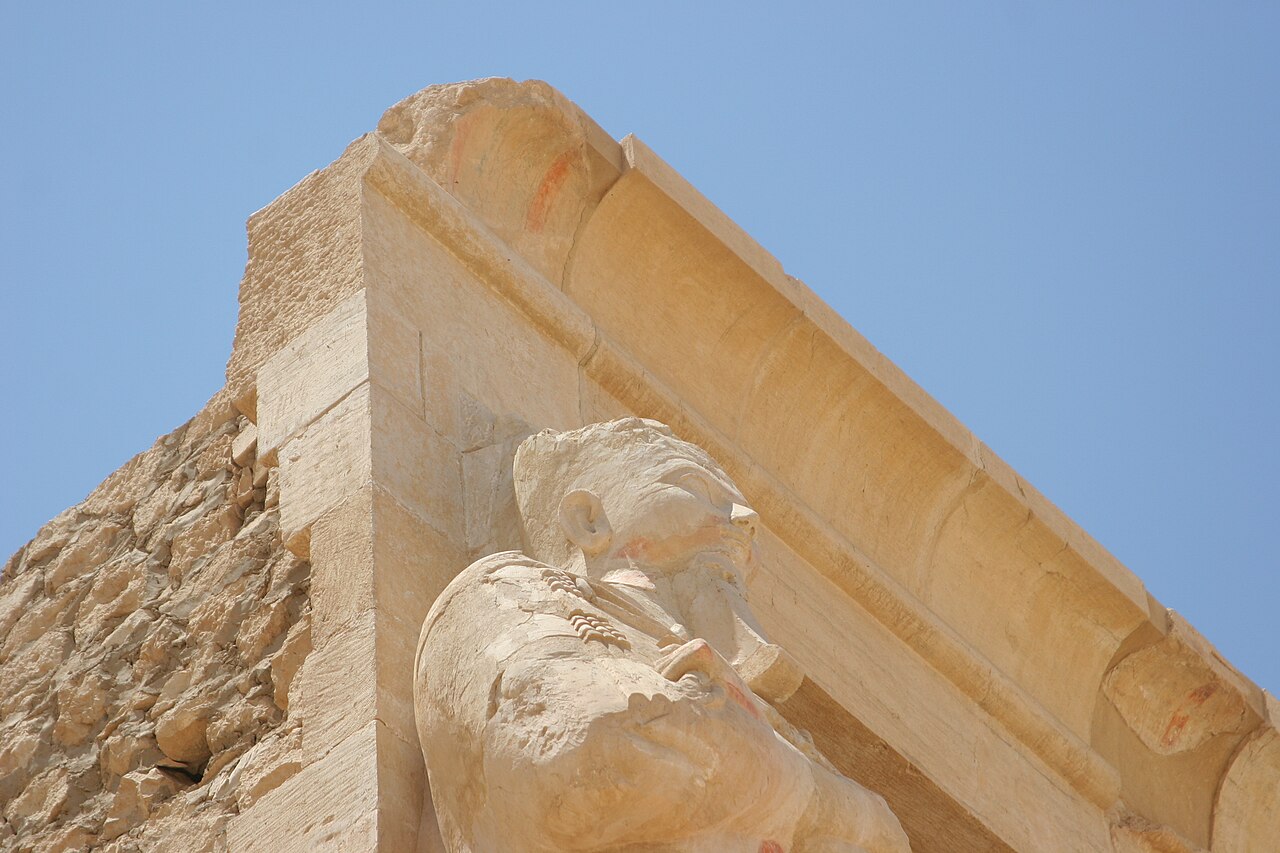
The mortuary temple of Hatshepsut at Deir el-Bahari, built around 1479 BC, is one of the more quietly astonishing structures in Egypt. Three colonnaded terraces rise against sheer limestone cliffs, integrating architecture into the landscape in a way that feels more modern than ancient. Hatshepsut ruled as king for roughly 20 years — a woman presenting herself as male pharaoh in a society with no category for what she was. Her successor Thutmose III later ordered her images defaced and her name chiseled from monuments. The irony: that deliberate erasure probably helped preserve the temple, because the workmen tasked with destruction had no motivation to be thorough about something they didn't understand.
Here's the honest caveat: Luxor's conservation situation is genuinely precarious. Flash floods, rising groundwater from irrigation, salt crystallization in painted tomb walls, and the breath of millions of visitors are all working against monuments that survived 3,000 years of desert solitude before we arrived. Some tomb paintings that were vivid in the 1970s are already faded. The UNESCO-designated Theban Necropolis — recognized in 1979 — is under pressure from all sides. Modern Luxor, a city of half a million, surrounds it. The recently reopened sphinx-lined avenue connecting Luxor Temple to Karnak runs 3 kilometers through a living city. That's the context. Go now, not later.