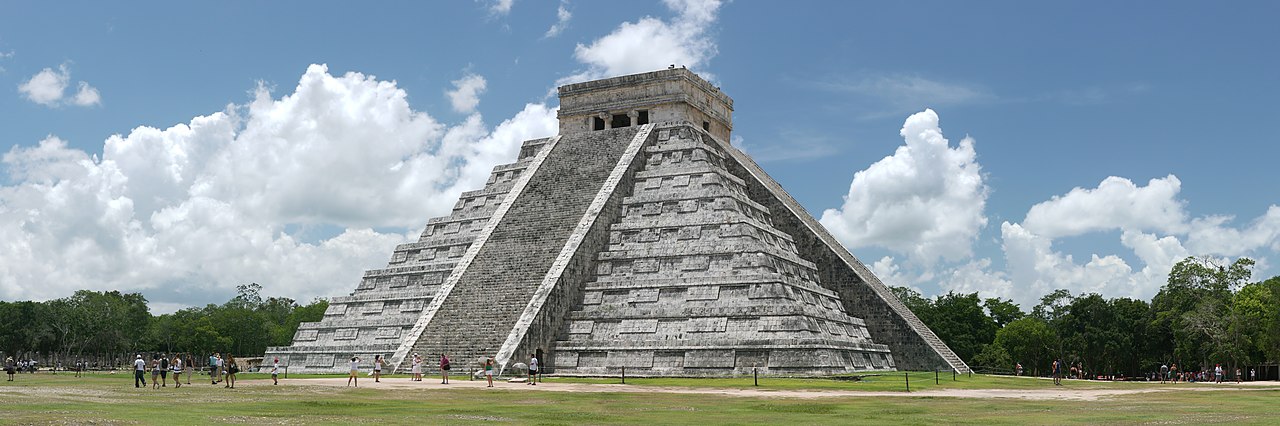
Clap your hands at the base of El Castillo and the echo comes back as the chirp of a quetzal bird — an acoustic effect the Maya engineers built deliberately into the stone over a thousand years ago. That one detail changes how you read everything else here. This wasn't a civilization stumbling toward architecture. Chichen Itza was built by astronomers and engineers who encoded their knowledge with enough precision that the building is still performing today. It's worth understanding what you're looking at before you arrive.
Explore Chichen Itza
Discover Chichen Itza through photos that tell the story.
Find out how well you know Chichen Itza.
The city rose from the flat limestone shelf of the Yucatan Peninsula and reached its peak between the ninth and twelfth centuries AD, controlling trade routes stretching from central Mexico to Honduras. It exists because of two large cenotes — natural limestone sinkholes that provided year-round water in a region with no rivers. The name means 'at the mouth of the well of the Itza,' and the Sacred Cenote on the city's northern edge served as both water source and ritual site. Early twentieth-century dredging recovered gold, jade, obsidian, and human remains from its depths, confirming Spanish chronicles about offerings cast into the water to appease Chaac, the rain god.
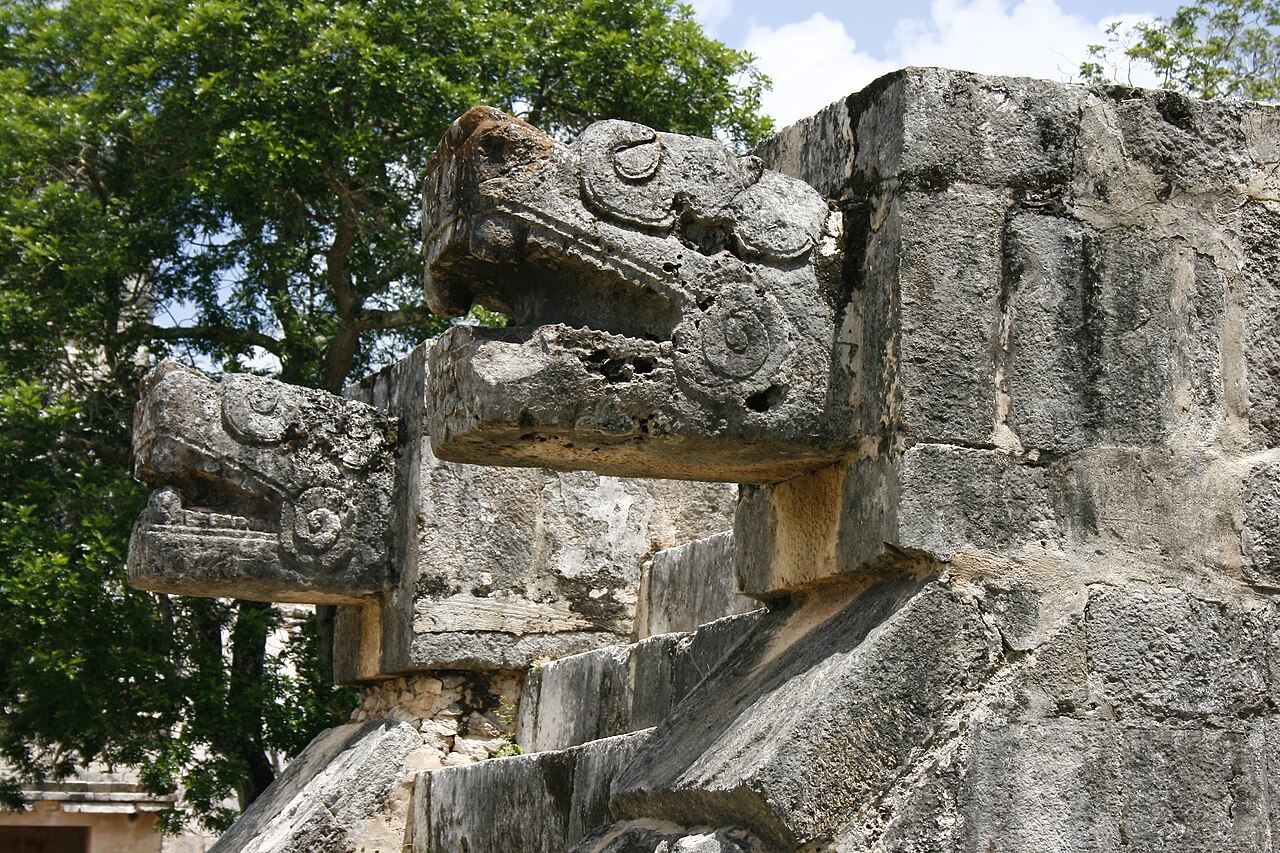
El Castillo — the Temple of Kukulkan — is what earned Chichen Itza a spot on the New Seven Wonders of the World list in 2007, and it earns it. The pyramid stands 30 meters tall with 91 steps on each of its four sides plus one step at the top platform, totaling 365 — one for each day of the solar year. At the spring and autumn equinoxes, afternoon sunlight casts triangular shadows down the northern staircase that connect with a carved serpent head at the base, creating an unmistakable illusion of a feathered serpent descending the pyramid. This was built in deliberately. Tens of thousands of people show up every March and September to watch it happen.
The Great Ball Court doesn't get enough attention relative to El Castillo, which is a mistake. It's 168 meters long and 70 meters wide — the largest in Mesoamerica — with walls eight meters high and stone rings mounted at their center. The acoustics are genuinely strange: a handclap at one end carries clearly to the other, 168 meters away, and a whisper along the wall travels the full length. The reliefs carved into the walls show a player who's been decapitated, serpents of blood flowing from his neck. Whether the losers or the winners were sacrificed is still argued in the scholarship. Nearby, the Tzompantli — the skull rack platform — displays row upon row of carved skulls. The city's brilliance coexisted with ritual violence that operated at scale.
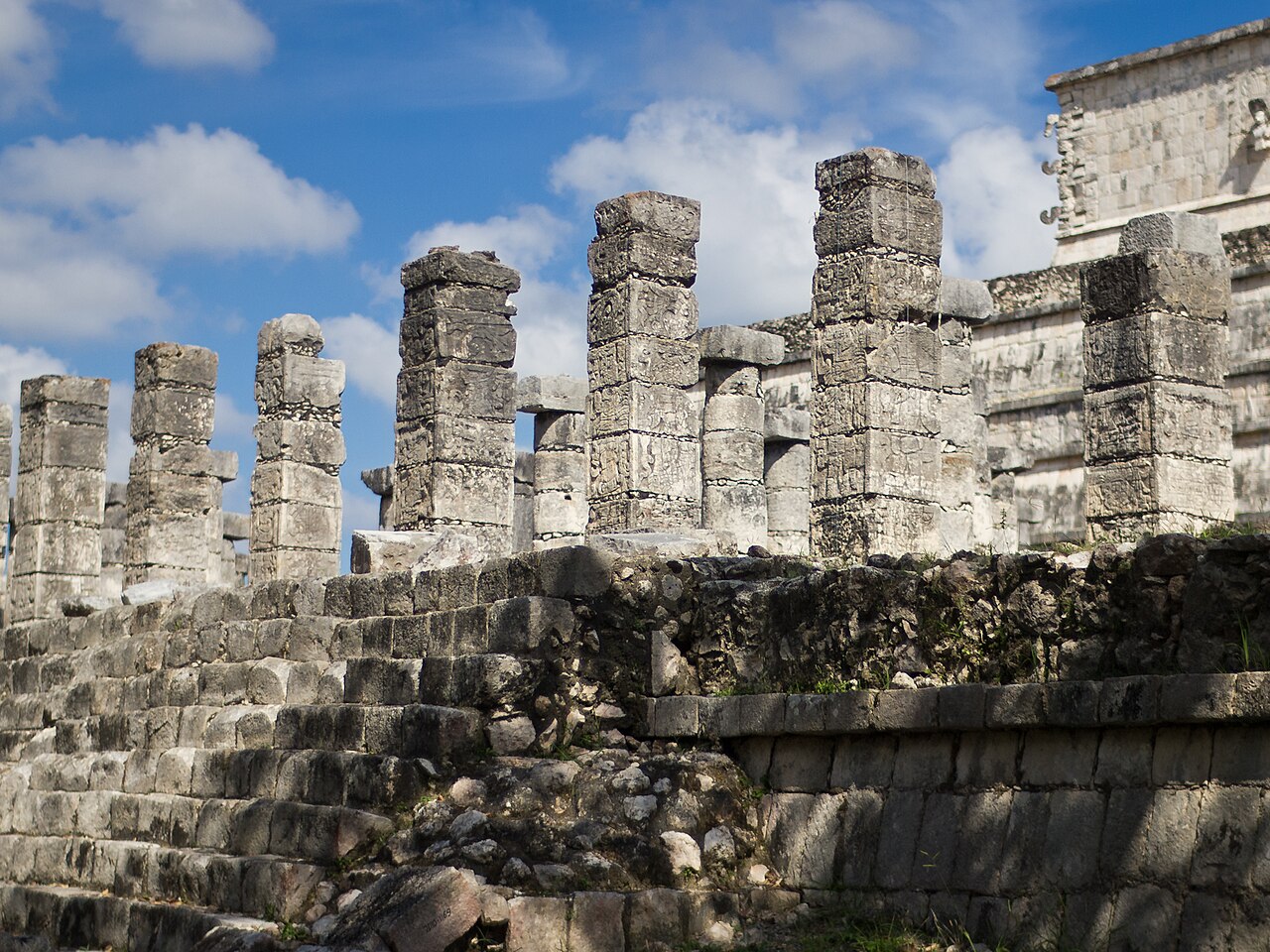
El Caracol, the round observatory, has windows that align with the extreme positions of Venus on the horizon. The Maya tracked Venus with less than two hours of error over a 584-day cycle — precision European astronomers wouldn't match for another five centuries. The Temple of the Warriors stands behind a colonnade of carved columns that once supported a roofed marketplace. These weren't isolated monuments. They were the working infrastructure of a regional capital.
The honest caveat: Chichen Itza draws over two million visitors a year, and the vendor pressure inside the site is real. You can't climb El Castillo — climbing was banned after a tourist fell to her death in 2006. Go early if you can, before the tour buses arrive from Cancun. The city was abandoned by the fifteenth century, well before the Spanish arrived, and when the American explorer John Lloyd Stephens found it in 1841 it was buried under trees and rubble. What you're seeing is what the jungle gave back. Eight hundred years after the builders left, the place is still doing exactly what it was designed to do.