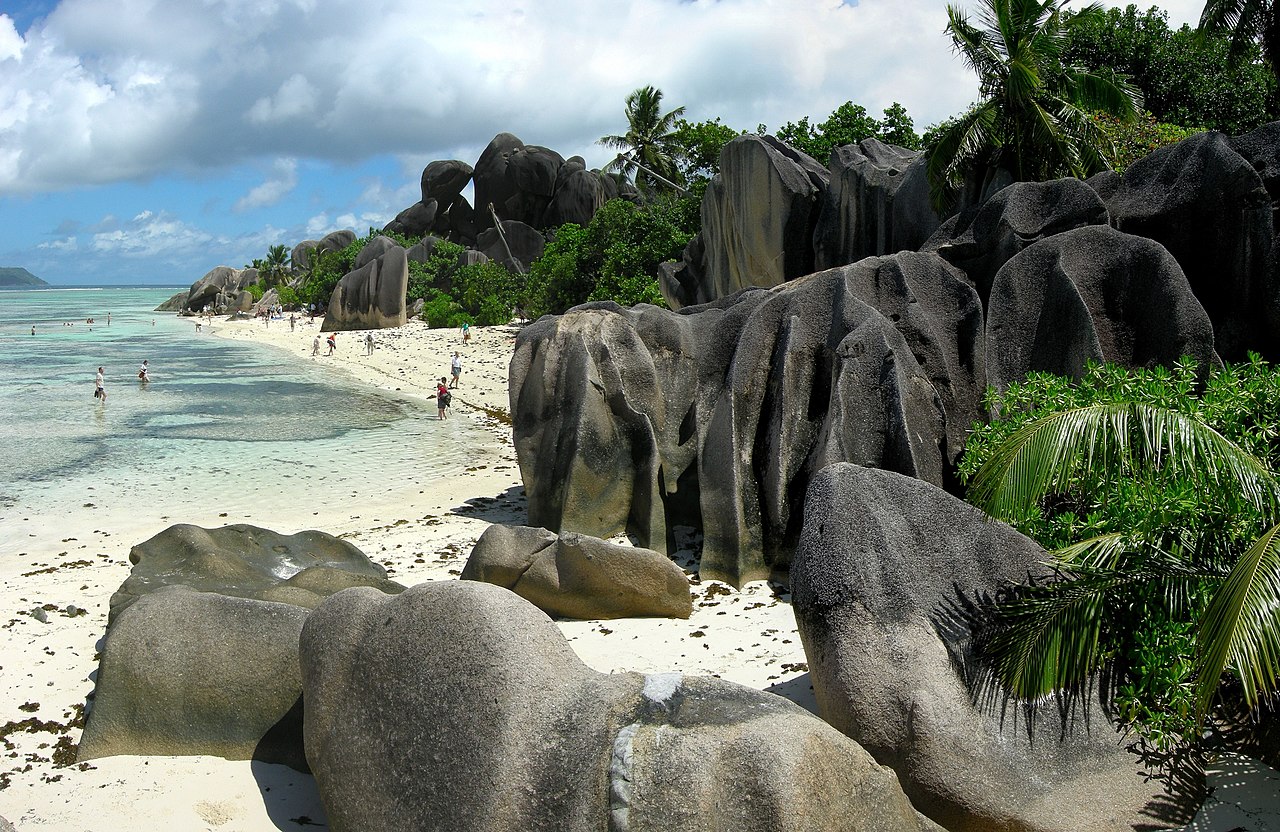
Somewhere over the Indian Ocean, it hits you: the Seychelles isn't just another tropical escape — it's a decision. Anse Source d'Argent on La Digue, framed by those sculpted boulders, gets voted one of the most beautiful beaches on Earth often enough that it's not just travel marketing. If you're weighing whether the Seychelles justifies the investment — and trust me, it is an investment — the honest answer is: for the right traveler, absolutely.
Explore Seychelles
Discover Seychelles through photos that tell the story.
Find out how well you know Seychelles.
What makes the Seychelles genuinely different isn't just the beaches — it's what millions of years of isolation do to an ecosystem. The Vallée de Mai nature reserve on Praslin island, a UNESCO World Heritage Site, protects the world's largest natural population of the coco de mer palm, whose double-lobed nut is the largest seed in the plant kingdom, weighing up to 25 kilograms. Sailors once believed it grew on a mythical tree beneath the ocean — that's not a tourism story, that's how otherworldly this place actually was. The islands also support the Seychelles black parrot, the Seychelles paradise flycatcher, and giant tortoises that predate most human civilizations. Aldabra Atoll, the world's second-largest coral atoll and another UNESCO World Heritage Site, hosts over 100,000 giant tortoises — more than the Galápagos — plus nesting green turtles and vast seabird colonies. We don't throw around 'unique' lightly, but the Seychelles has earned it.
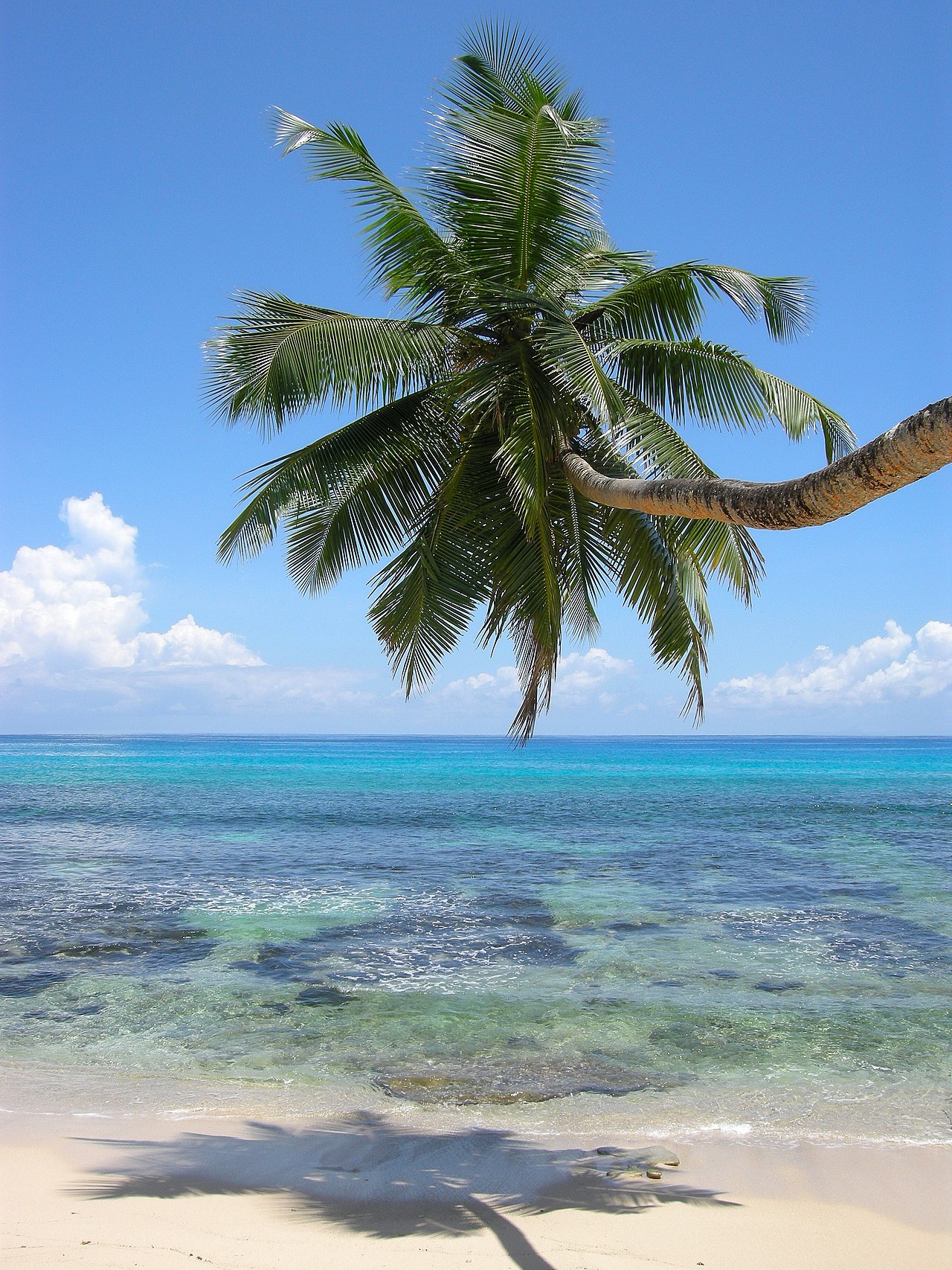
The three main islands each offer something distinct, and knowing the difference helps us plan smarter. Mahé is the hub: the largest island, home to the capital Victoria — one of the world's smallest capitals — the international airport, and 68 kilometers of coastline dotted with tucked-away coves. It's where most visitors arrive and where the widest range of accommodation lives, from famous luxury resorts to solid guesthouses. Praslin is where we'd go for the Vallée de Mai and Anse Lazio, a beach that genuinely lives up to its reputation; the ferry from Mahé takes about an hour. La Digue is the slow one — bicycles and ox carts, granite boulders that look unchanged for centuries, and a pace that makes the other islands feel rushed. Small, unhurried, and worth at least a night.
Seychellois Creole cuisine is what happens when African, French, Indian, and Chinese influences spend centuries together on a small island, and the results are wonderful. Fish and seafood dominate in the best possible way: grilled red snapper, octopus curry cooked in coconut milk, smoked sailfish salad. Ladob — sweet or savory plantains and sweet potatoes simmered in coconut milk with nutmeg — is the comfort food we didn't know we needed. Breadfruit turns up in what feels like dozens of preparations, from chips to gratin. For drinks, the local SeyBrew lager and Takamaka rum, distilled right on Mahé, are worth seeking out. Victoria's Sir Selwyn Selwyn-Clarke Market is where we'd start: tropical fruits, dried fish, local spices, and a real sense of how people live here.
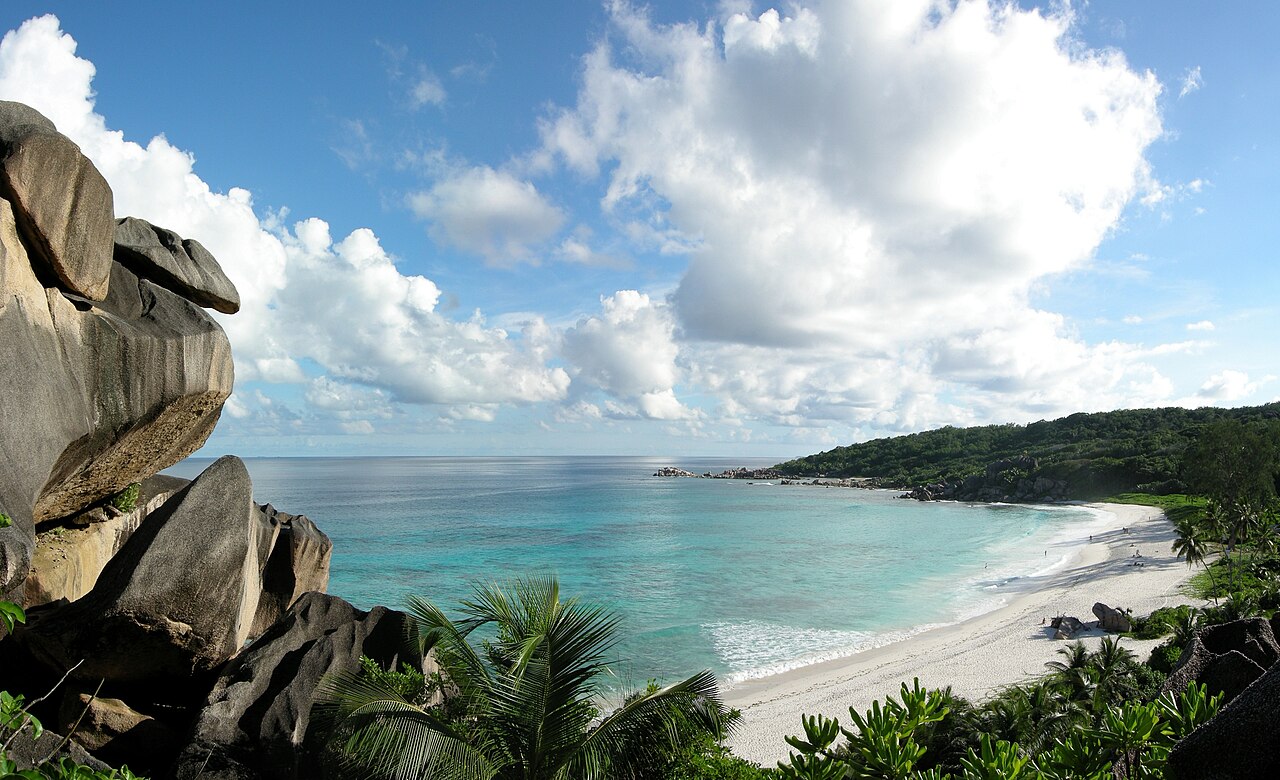
The Seychelles are warm year-round — 24 to 32 degrees Celsius — but timing shapes the experience. June through September brings southeast trade winds: ideal for sailing and diving, though exposed beaches get rougher. December through March is calmer and more humid, with the best snorkeling visibility. Mahé's international airport receives direct flights from Dubai, Abu Dhabi, Doha, Nairobi, Addis Ababa, and several European cities. The Seychellois rupee is the local currency, though euros and US dollars are widely accepted. Now, the honest caveat: the Seychelles' reputation as a premium honeymoon destination is accurate. Luxury resorts here are genuinely expensive. But guesthouses and self-catering apartments on all three main islands offer real value, and eating at local Creole restaurants and takeaway shops keeps food costs manageable. We don't have to spend everything to have an extraordinary trip — but we should come ready to spend a little.