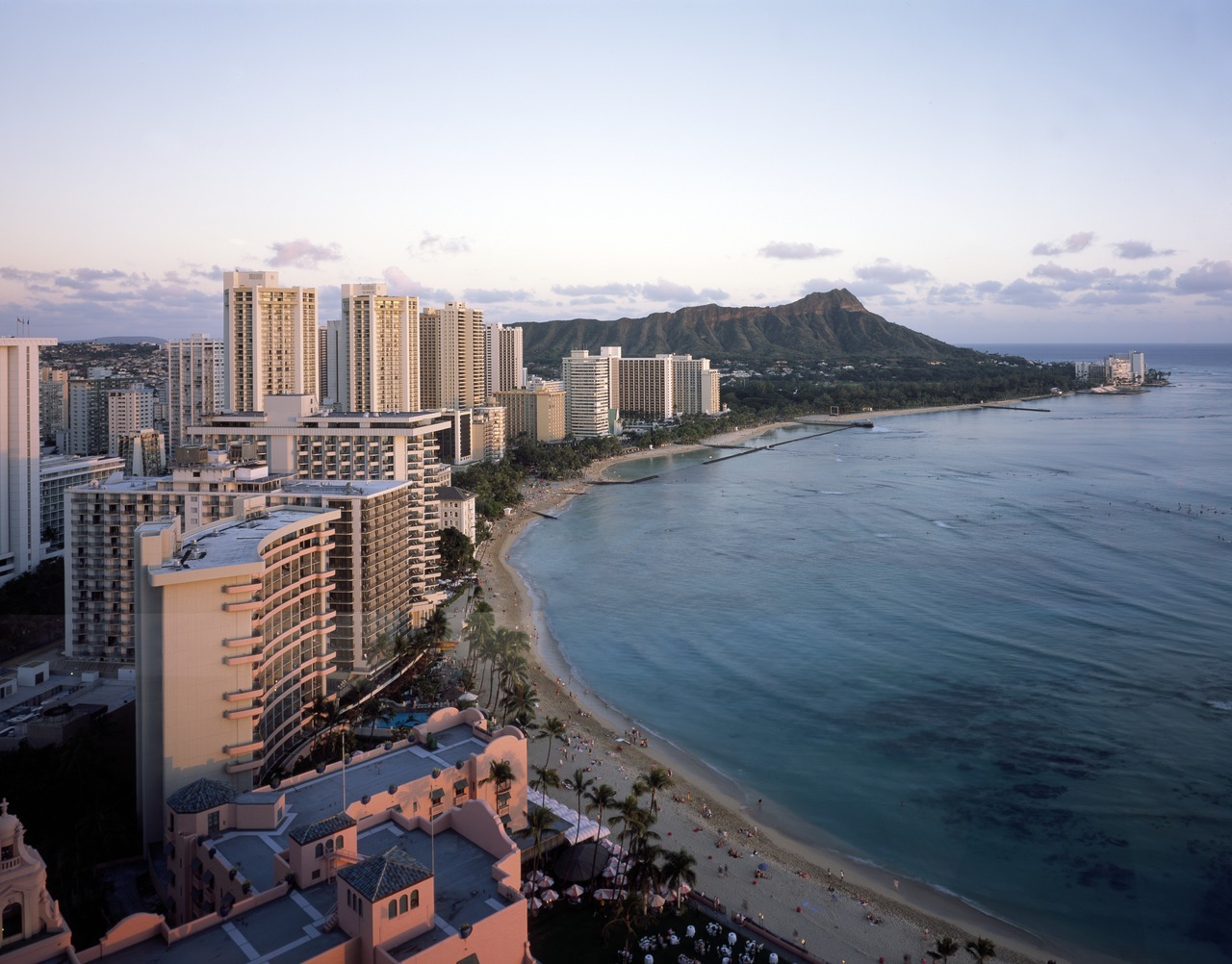
Oahu is actually two islands in one — most first-time visitors only figure that out after they arrive. Both are worth your time, and honestly, we'd recommend spending money on both. This is an island where splurging pays off.
Explore Oahu
Discover Oahu through photos that tell the story.
Find out how well you know Oahu.
Let's start with the history, because it's genuinely unmissable. The USS Arizona Memorial at Pearl Harbor is one of those experiences we'd call trust-us-on-this — over 1.5 million people visit each year, and the site earns every bit of that attention. The memorial floats directly above the sunken battleship, which still releases oil into the harbor more than eight decades later. It's quiet, it's moving, and it reframes everything else you do on the island. Downtown Honolulu adds more layers: Iolani Palace — the only royal palace on American soil — is a reminder that Hawaii was an independent kingdom until 1893, and that its loss still resonates deeply among Native Hawaiians. The Bishop Museum holds one of the world's most significant Polynesian artifact collections, and if cultural immersion matters to you, the Polynesian Cultural Center on the windward coast brings six Pacific Island traditions to life through dance, food, and evening fire performances.
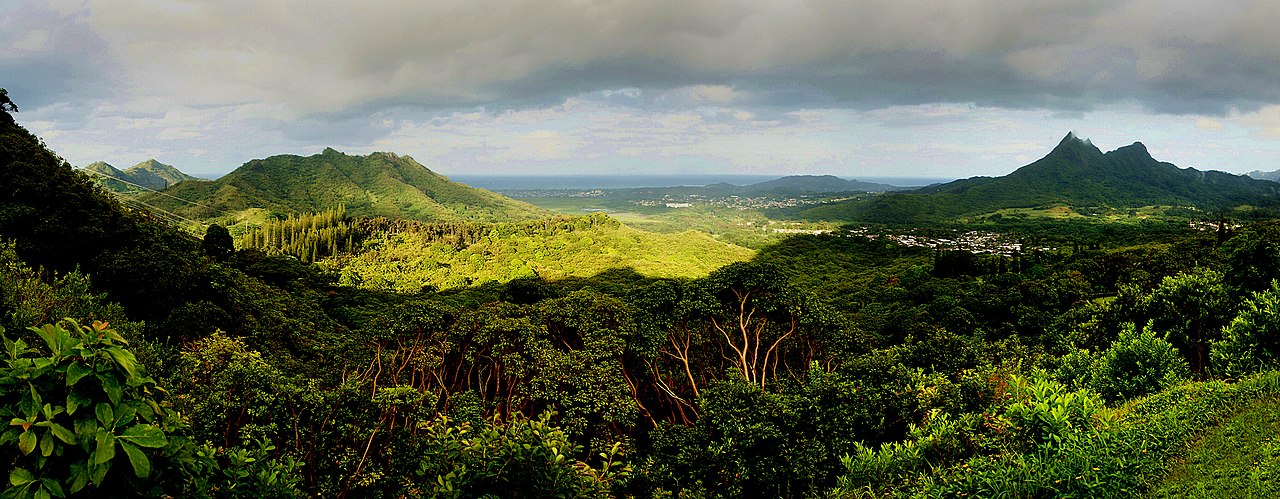
For outdoor adventures, Oahu rewards the effort. The Ko'olau Range runs like a dramatic spine down the island's eastern side — trails like Kuli'ou'ou Ridge and Manoa Falls give you panoramic windward views and misty waterfalls that feel genuinely earned. Hanauma Bay, a volcanic crater opened to the sea, lets you snorkel alongside green sea turtles in water so clear it almost feels unfair. The Lanikai Pillbox hikes deliver sunrise views over the Mokulua Islands that rank among Hawaii's most photographed moments — worth the early alarm. And then there's the North Shore: from November through February, Pipeline, Sunset Beach, and Waimea Bay host winter swells that draw the world's elite surfers and thousands of spectators. The Vans Triple Crown of Surfing is a genuine spectacle. Summer flips the script — calmer waters make it ideal for stand-up paddling and beginner surf lessons at Waikiki's gentle breaks.
Oahu's food scene is a real reason to visit — and we mean that seriously. Here's what we'd put on the list: plate lunch (two scoops of rice, mac salad, your choice of protein — loco moco, teriyaki chicken, or katsu), the shrimp trucks of Kahuku on the North Shore (Giovanni's and Romy's are the ones everyone lines up for, and they're worth it), and Leonard's Bakery malasadas, the Portuguese donuts Hawaii has claimed as its own since 1952. For something more polished, restaurants like Senia and Mud Hen Water do something clever — they take hyper-local ingredients and contemporary technique and make food that feels distinctly Hawaiian without being a museum piece. Chinatown is underrated for daytime dim sum and evening cocktails. Budget for food here. It's that good.
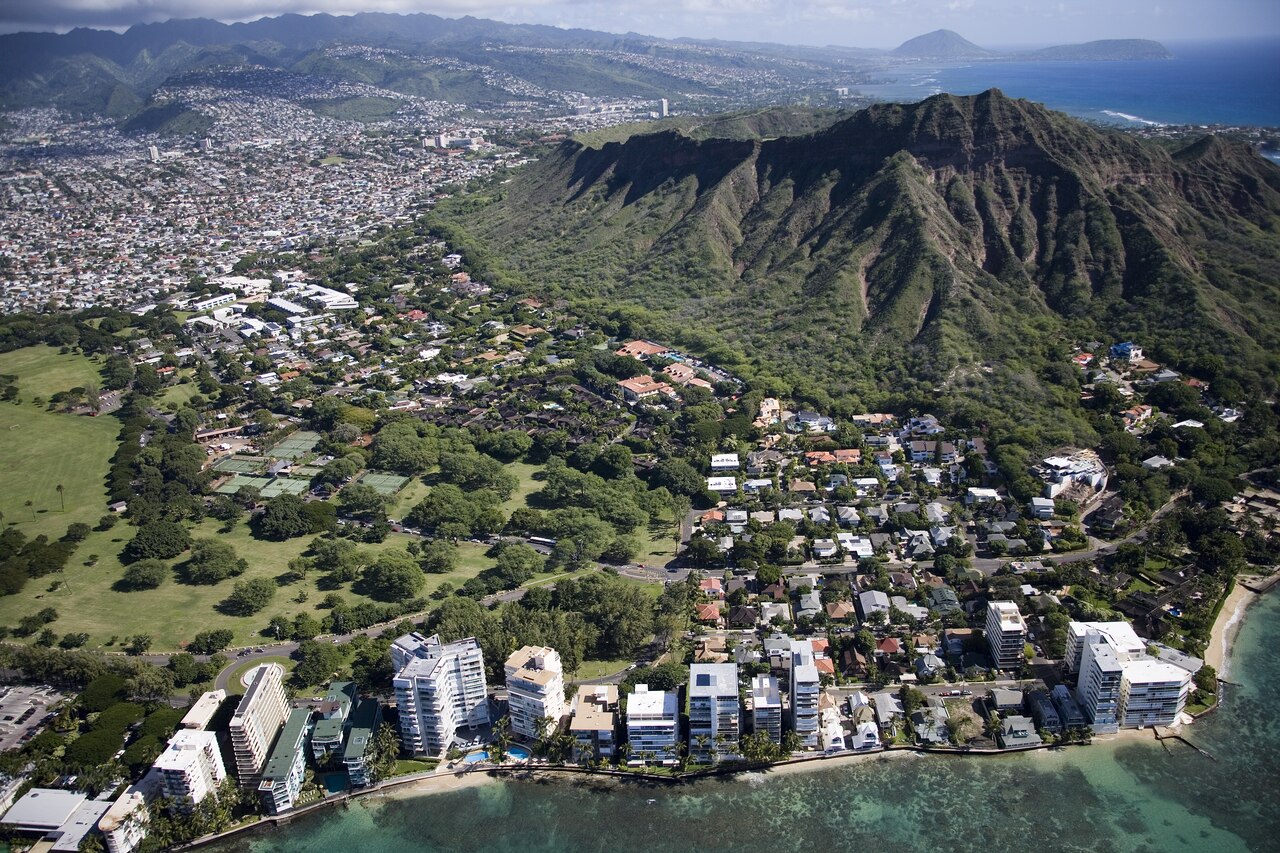
Oahu works as a year-round destination, and the honest caveat is this: Waikiki can feel crowded and expensive if you don't plan around it. The five-star towers like the Halekulani deliver on their promise, but budget options exist too, and TheBus system covers most of the island for those willing to skip the rental car. Summer is calmer waters and less spectacle on the North Shore; winter is big waves and the Triple Crown energy. The Honolulu Festival in March and the Aloha Festivals in September are worth timing around if Hawaiian music and hula matter to you. Whether we're watching the sunset with a bowl of fresh poke, standing quietly at the Arizona Memorial, or driving the windward coast with no particular agenda — Oahu earns its reputation as the full Hawaiian experience. It's a place we'd come back to.