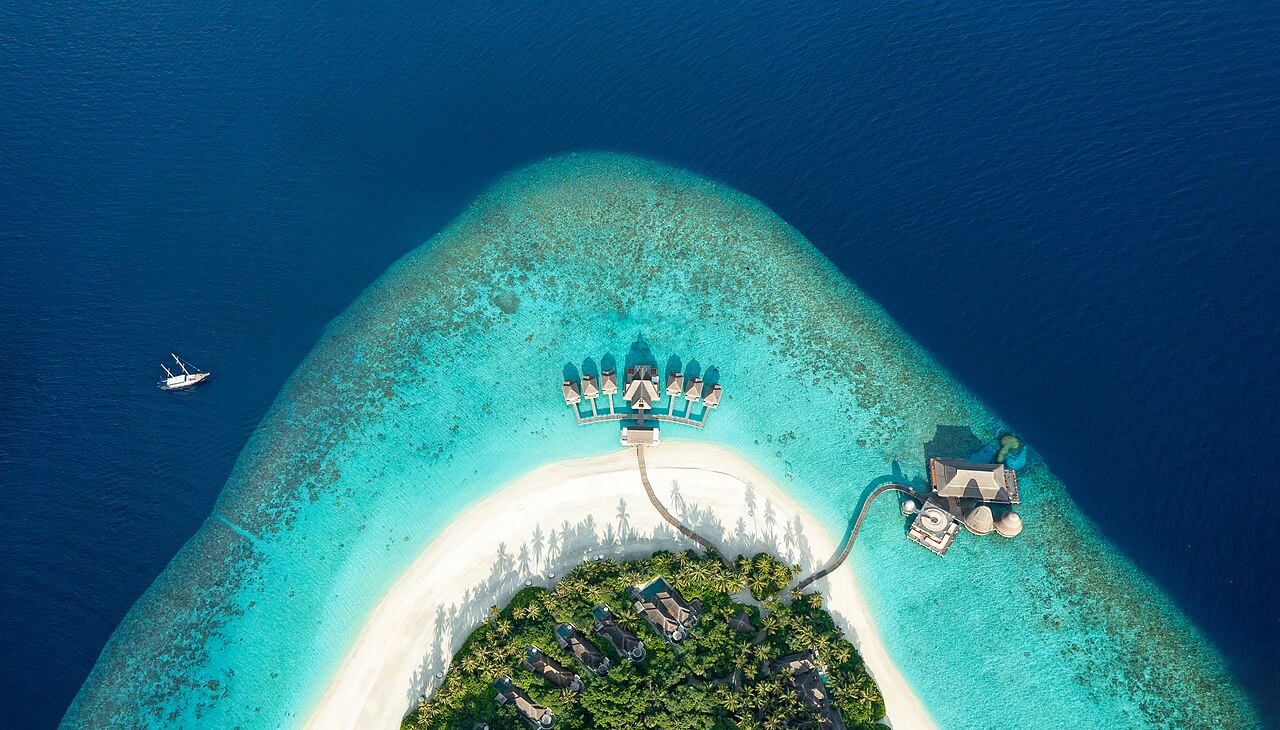
The Maldives is quieter than you expect — no traffic noise, no crowds at check-in, no other hotel visible across the water. We arrive by seaplane over 26 coral atolls — each one looking like someone scattered green and white jewels across 600 miles of the Indian Ocean — and we'll say it plainly: that view alone is worth the flight. The Maldives is one of the world's smallest countries by land, just 115 square miles spread across roughly 1,190 islands, and none of it rises more than six feet above sea level. It's both a geography lesson and the most serene place most of us have ever seen.
Explore Maldives
Discover Maldives through photos that tell the story.
Find out how well you know Maldives.
The resort model here is unlike anywhere else in the world, and once we understand it, the price tag starts making more sense. Each resort occupies its own private island — the whole island. That means our beach is our beach. No strangers walking past. No noise from a neighboring property. The overwater villas — those stilted rooms extending over the lagoon — have become the defining image of the Maldives for good reason. Today's versions come with private infinity pools, glass floor panels so we can watch reef fish from bed, retractable roofs for stargazing, and butler service on call. The Maldives has more than 160 operating resorts, from ultra-luxury brands to genuinely accessible options, and even the more modest properties deliver access to the same extraordinary water.
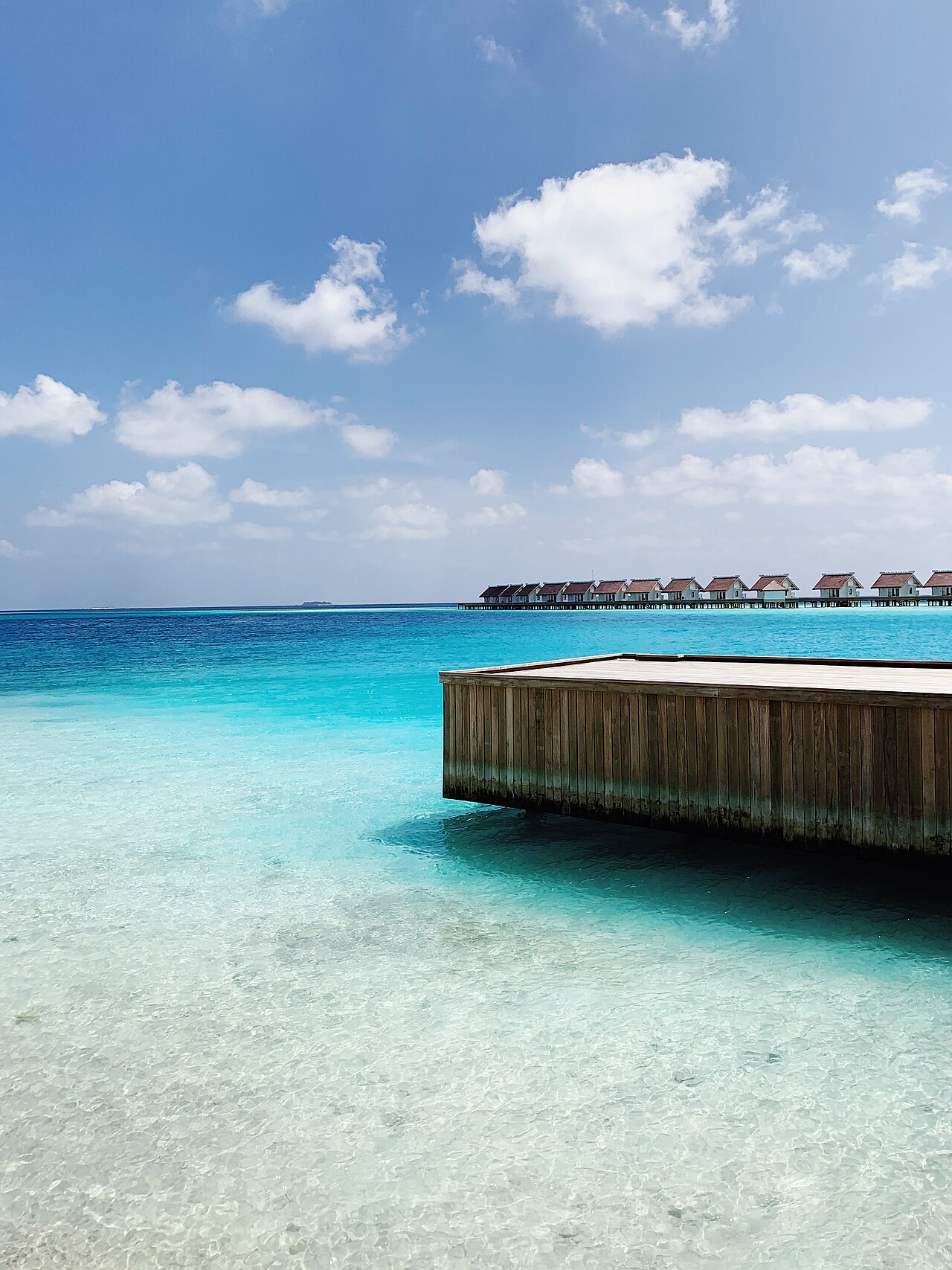
That water is the whole point. The coral reefs here rank among the most biodiverse in the Indian Ocean, and we don't need to be a diver to experience them — snorkeling from the beach on any resort island puts us face-to-face with sea turtles, moray eels, reef sharks, and more fish than we can name. For divers, it's a world-class destination: manta ray cleaning stations in multiple atolls where these gentle giants — wingspans up to 18 feet — circle in slow, graceful loops; year-round whale shark encounters in South Ari Atoll; deep channel dives with hammerheads, grey reef sharks, and eagle rays. And then there's the Sea of Stars — bioluminescent plankton that occasionally light the shoreline at night with blue-white light. We'd plan a separate trip for that alone.
The best time to visit depends on what we're chasing. The dry season, known locally as iruvai, runs November through April and delivers the clearest skies, calmest seas, and best visibility for diving and snorkeling — it's peak season, priced accordingly. The wet season, hulhangu, runs May through October and brings more rain and wind, but also lower prices, better surf, and peak manta ray and whale shark activity. Year-round, temperatures stay between 79 and 88°F and the water rarely dips below 80°F. Getting there means flying into Malé's Velana International Airport, then transferring to your resort by speedboat, domestic flight, or seaplane. Trust us on the seaplane: those 20 minutes over the atolls are the kind of experience we'd pay for separately.
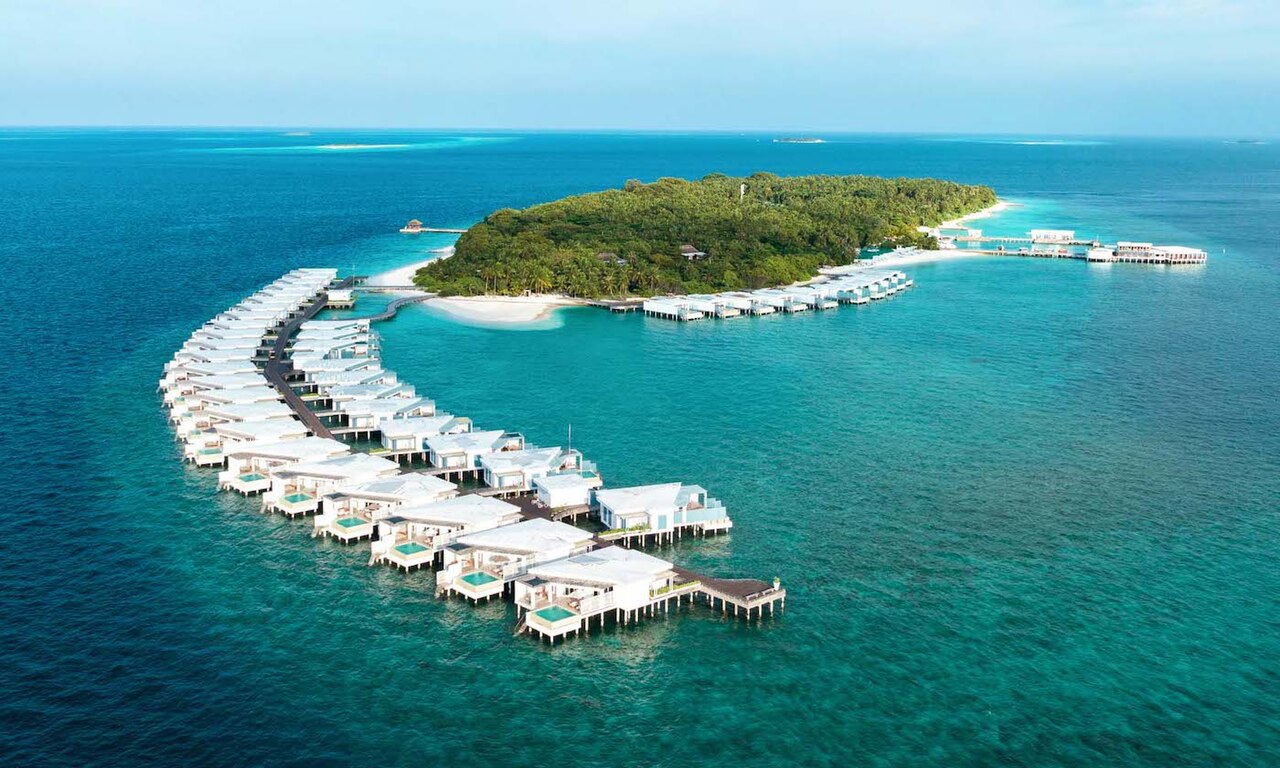
We'd be doing a disservice not to say this directly: the Maldives is one of the most climate-vulnerable places on Earth. None of its land rises more than six feet above sea level, and scientists project that much of it could be underwater by century's end without significant global action. The government has been a vocal advocate in international climate talks and has invested in Hulhumale, an artificial island near Malé built on higher ground to accommodate a growing population. Visiting carries a real sense of urgency that makes the beauty feel both more precious and more poignant. Most resort guests never see the cultural side of the country, but Malé is worth a half-day: the Grand Friday Mosque, the fish market, and the narrow lanes reveal a living society beyond the resort bubble. US dollars are universally accepted. The honest caveat? There's no budget version of this trip that feels like the Maldives experience — it's expensive, full stop. But for the traveler who values privacy, extraordinary marine life, and the kind of quiet beauty that's genuinely hard to describe, it delivers completely.