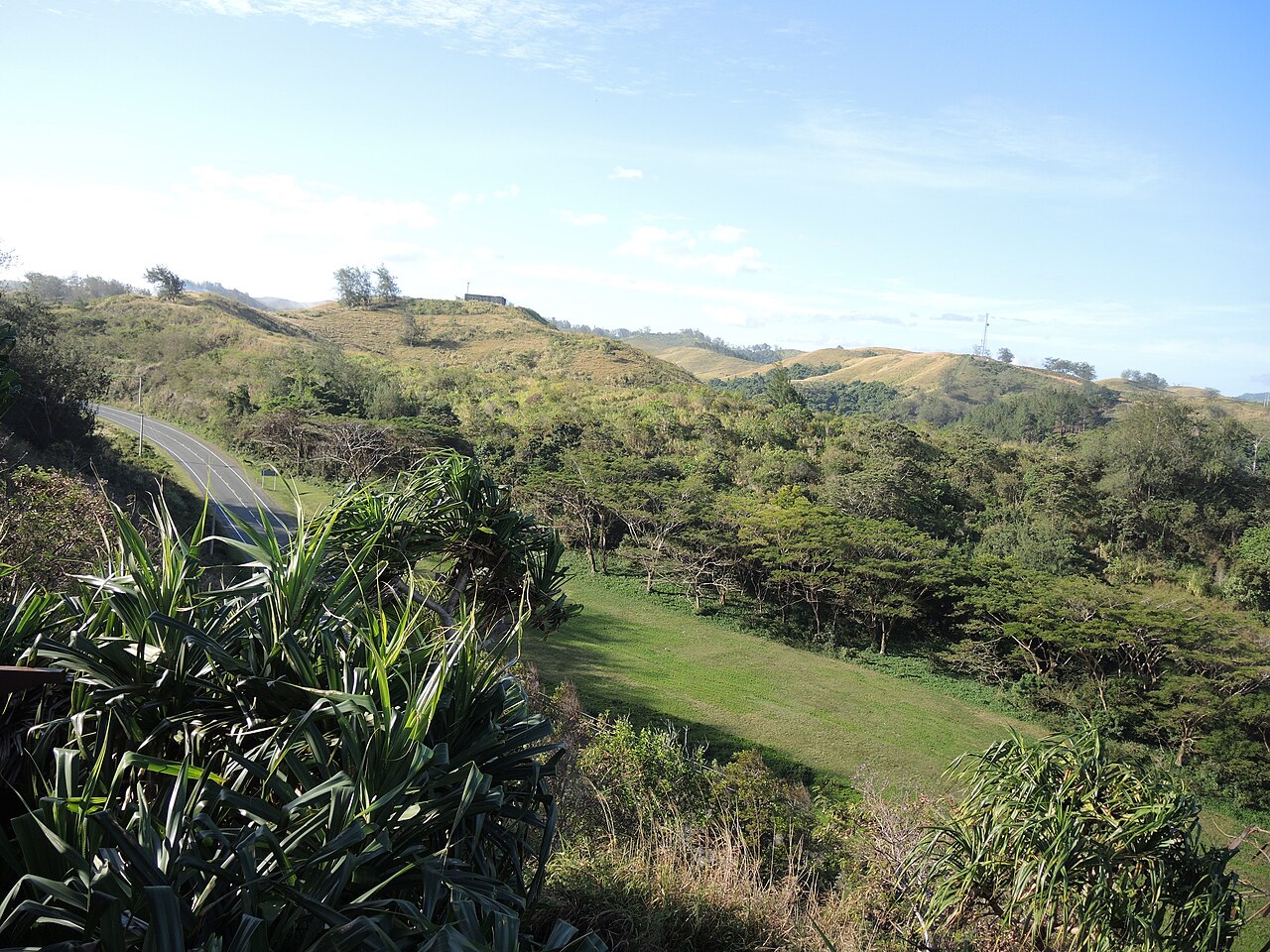
Fiji answers the question of what it feels like to be genuinely welcomed somewhere — and it answers it before you've even cleared customs. Fiji is a South Pacific archipelago of more than 330 islands spread across 18,000 square kilometers of warm turquoise ocean. Most of the population lives on the two largest islands, Viti Levu and Vanua Levu, but we'd argue the real draw is the outer island groups — the Yasawas, Mamanucas, and Lau — where powdery white beaches meet some of the world's most spectacular soft coral reefs. This isn't a destination you visit and forget. It stays with you.
Explore Fiji
Discover Fiji through photos that tell the story.
Find out how well you know Fiji.
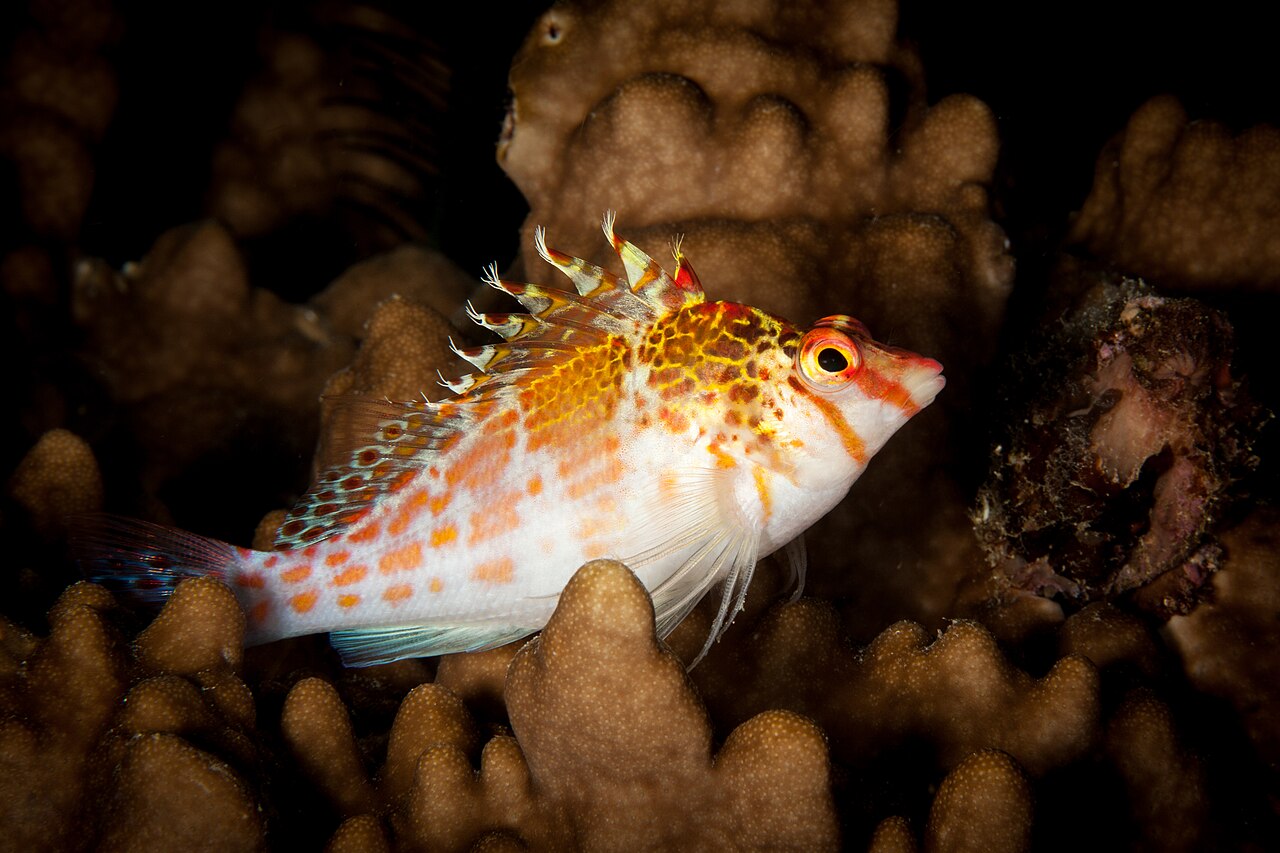
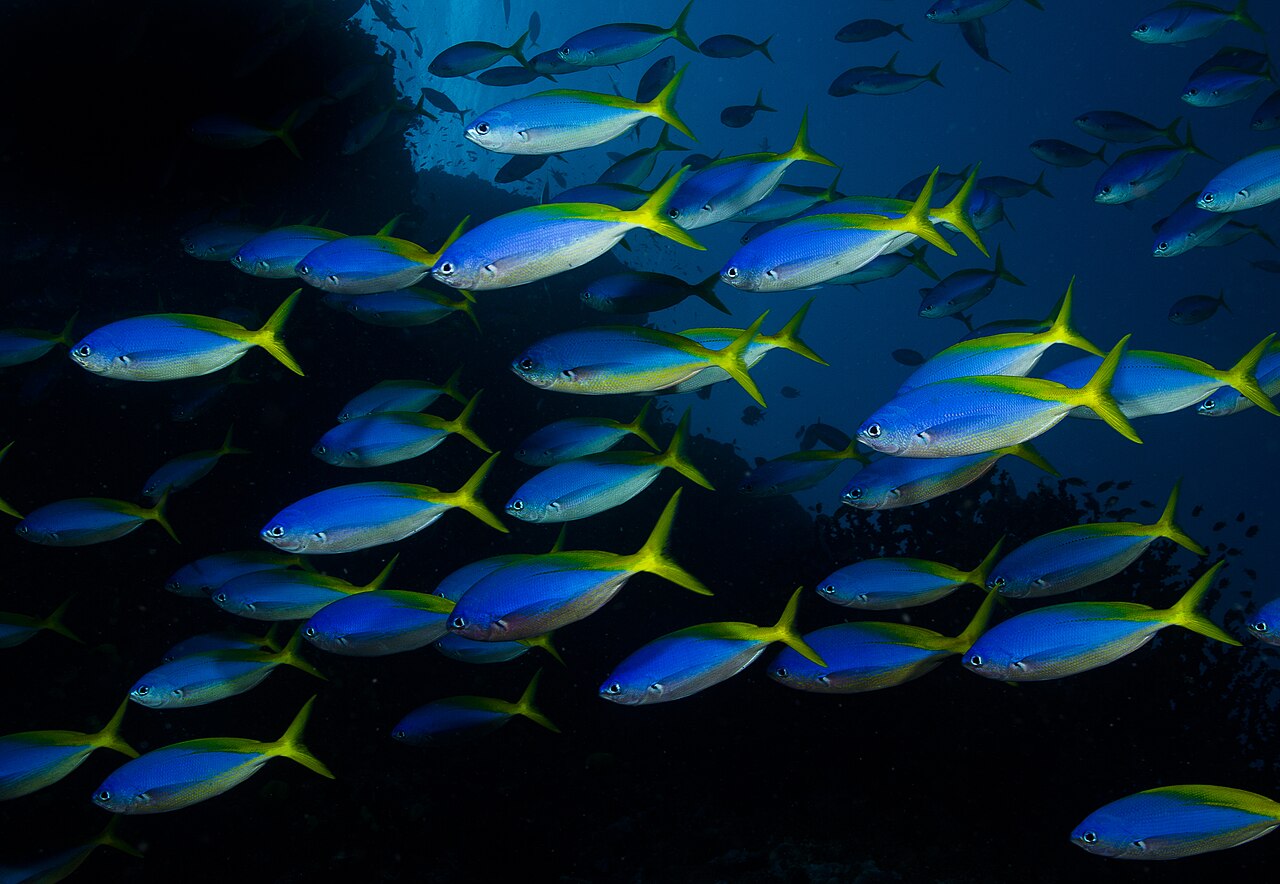
Beneath the surface, Fiji has earned its title as the Soft Coral Capital of the World — and it earns every bit of that reputation. The Great Astrolabe Reef near Kadavu and the Somosomo Strait off Taveuni deliver wall dives carpeted in purple, pink, and orange corals teeming with reef sharks, manta rays, and thousands of tropical fish species. Snorkelers aren't left out either: many resorts sit directly on house reefs accessible right from the beach. On land, there's more than you'd expect: the Bouma National Heritage Park on Taveuni features a chain of jungle waterfalls worth every step of the hike; the Sigatoka Sand Dunes on Viti Levu reveal archaeological layers dating back more than 2,500 years; and white-water rafting on the upper Navua River carves through a gorge lined with dozens of waterfalls. There's genuinely no shortage of things to do here.
Fijian cuisine reflects the archipelago's Melanesian, Polynesian, and Indian heritage, and it's one of the most underrated food stories in the Pacific. Here's what to put on your plate: kokoda — raw fish marinated in coconut cream and citrus — is the national appetizer and an honest crowd-pleaser; lovo feasts anchor every celebration with meats and root vegetables slow-cooked in an underground earth oven; and Indian-Fijian curries, roti, and dhal are everyday staples from descendants of indentured laborers who arrived in the late 1800s. Fresh papaya, guava, and breadfruit appear at nearly every meal. And trust us — accept the bilo of kava when it's offered at a village sevu-sevu ceremony. You're welcomed as family after presenting dried kava root to the village chief, and that moment is worth more than any resort upgrade.
The dry season from May through October is the sweet spot: temperatures hover around 26 degrees Celsius, rainfall is minimal, and humpback whales migrate through Fijian waters from July to October with manta ray encounters peaking around the same window. The wet season from November through April brings humidity and the occasional cyclone, but also noticeably lower prices and far fewer crowds. If the budget is a consideration, that trade-off is worth thinking through seriously. You'll still have a wonderful time.
Getting to Fiji is straightforward: Nadi International Airport receives direct flights from Australia, New Zealand, the United States, and several Asian hubs, with inter-island travel handled by small plane, ferry, or resort boat transfer. A few things worth knowing before you go: Fiji operates on Fiji Time — a genuinely laid-back approach to scheduling, so build in flexibility and embrace it rather than fight it; tipping isn't expected; and the Fijian dollar goes further than you might think. Most resorts are self-contained, but independent travelers will find solid guesthouses and budget lodges on the main islands. The ideal itinerary combines a few nights on Viti Levu with time on a remote outer island. That contrast — the bustle of the main island against the quiet of somewhere that feels almost entirely off the grid — is what makes Fiji memorable. We'd go back without hesitation.