The water in the Cayman Islands stops us cold — not because it's overwhelming, but because it's so clear and so electric blue that we spend a solid minute just staring. Grand Cayman, the largest of three islands in this British Overseas Territory about 480 miles south of Miami, is home to Seven Mile Beach — a stretch of powdery white coral sand that consistently ranks among the best in the Western Hemisphere. It's actually closer to 5.5 miles, but we'll forgive the name immediately once we're standing on it. What we won't find on many other Caribbean beaches is what waits just offshore: a marine world of genuinely staggering beauty. The islands sit atop a submerged mountain range, and their surrounding waters drop into mile-deep trenches, producing a marine environment that draws divers from all over the world and snorkelers who don't quite realize what they're about to see.
Explore Cayman Islands
Discover Cayman Islands through photos that tell the story.
Find out how well you know Cayman Islands.
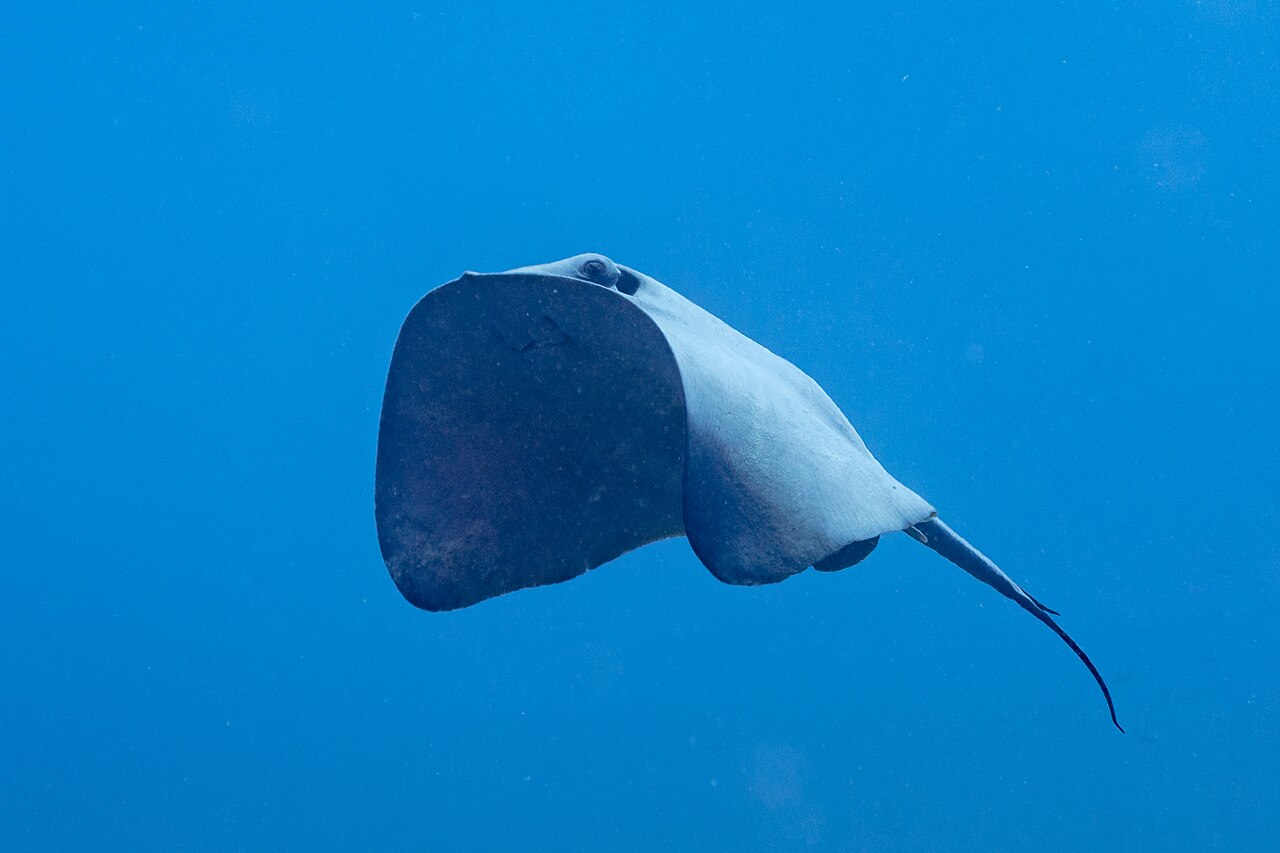
The islands' signature experience is Stingray City, and trust us — it earns the name. These natural sandbars in the North Sound aren't a theme park or a staged encounter. Decades ago, fishermen cleaned their catch in these shallows, and southern stingrays started showing up for the scraps. Now dozens of them glide through water so clear and so shallow we can stand in it, brushing against visitors who can hand-feed and hold them. It's one of those experiences we didn't fully believe until we were in the middle of it — velvet-winged, curious, and entirely on their own terms. For divers, the Cayman Wall delivers the other revelation: a vertical reef face off the coast that plunges from about 20 feet to over 6,000 feet in a single breathtaking drop. Little Cayman, the smallest and least developed island with a population of roughly 170, is where serious divers go when they want world-class wall diving and almost no one else around.
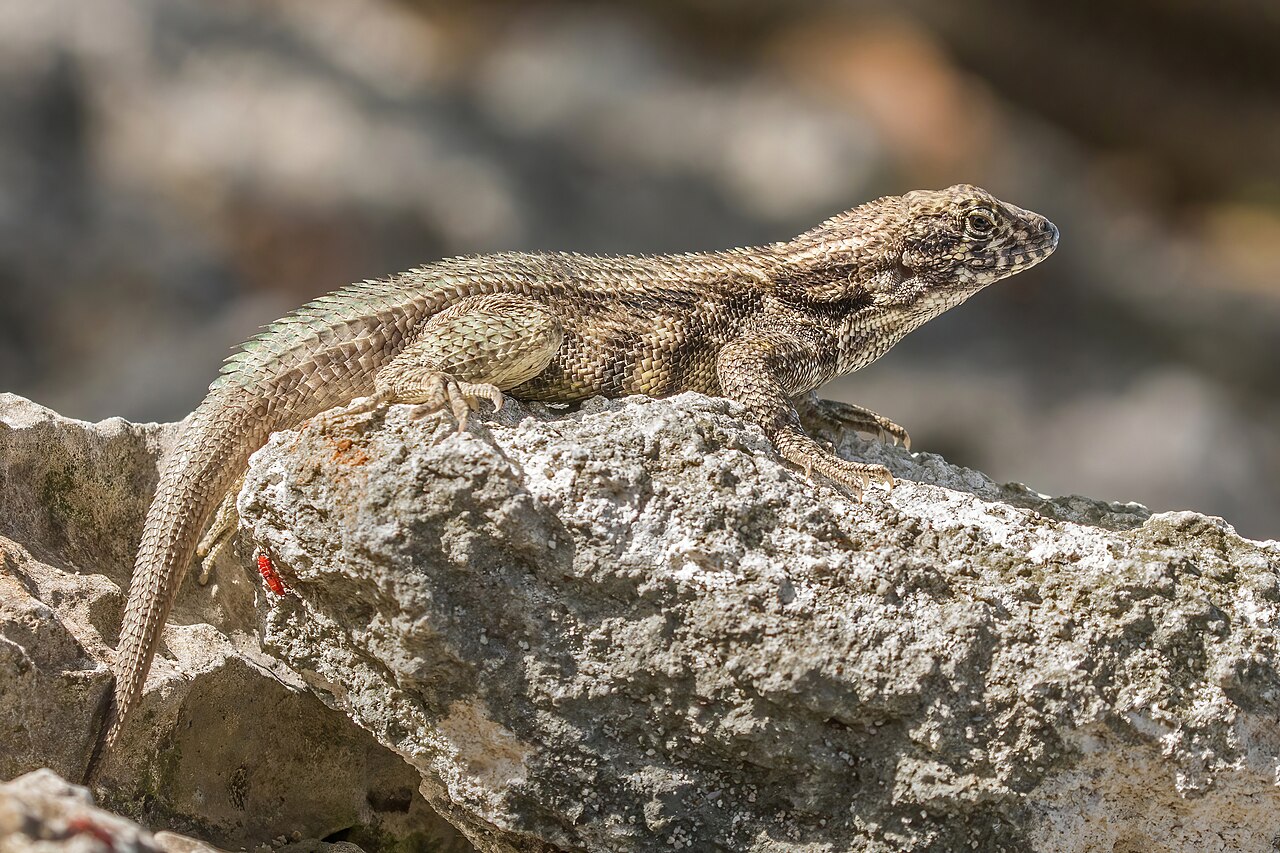
George Town surprises first-time visitors with its sophistication. Here's what makes a day in the capital worthwhile: duty-free shopping along Cardinal Avenue where savings genuinely add up, the Cayman Islands National Museum housed in the island's oldest surviving public building, and a dining scene that punches well above its weight. Caymanian cuisine tells the story of a seafaring culture — turtle stew, conch fritters, jerk fish, and heavy cake made with cassava and coconut are the dishes worth tracking down. The rum is exceptional; local distillers produce aged spirits that stand alongside the best from Jamaica and Barbados. For nature lovers, the Mastic Trail cuts through two million years of ancient dry forest, and the Queen Elizabeth II Botanic Park shelters the endangered blue iguana — a species brought back from fewer than 15 individuals to over 1,000 through one of the most successful conservation programs in the Caribbean.
The dry season runs November through April — lower humidity, minimal rainfall, temperatures between 75 and 85 degrees. That's the sweet spot, and prices reflect it. Hurricane season runs June through November, with September and October carrying the highest risk. The shoulder months of May and early June often deliver excellent weather at meaningfully lower rates, which is worth knowing if value is part of the decision. Water visibility runs 100 feet or more year-round, so diving and snorkeling are productive in any season. No visa is required for US, UK, Canadian, and most European visitors, and the US dollar is accepted everywhere.
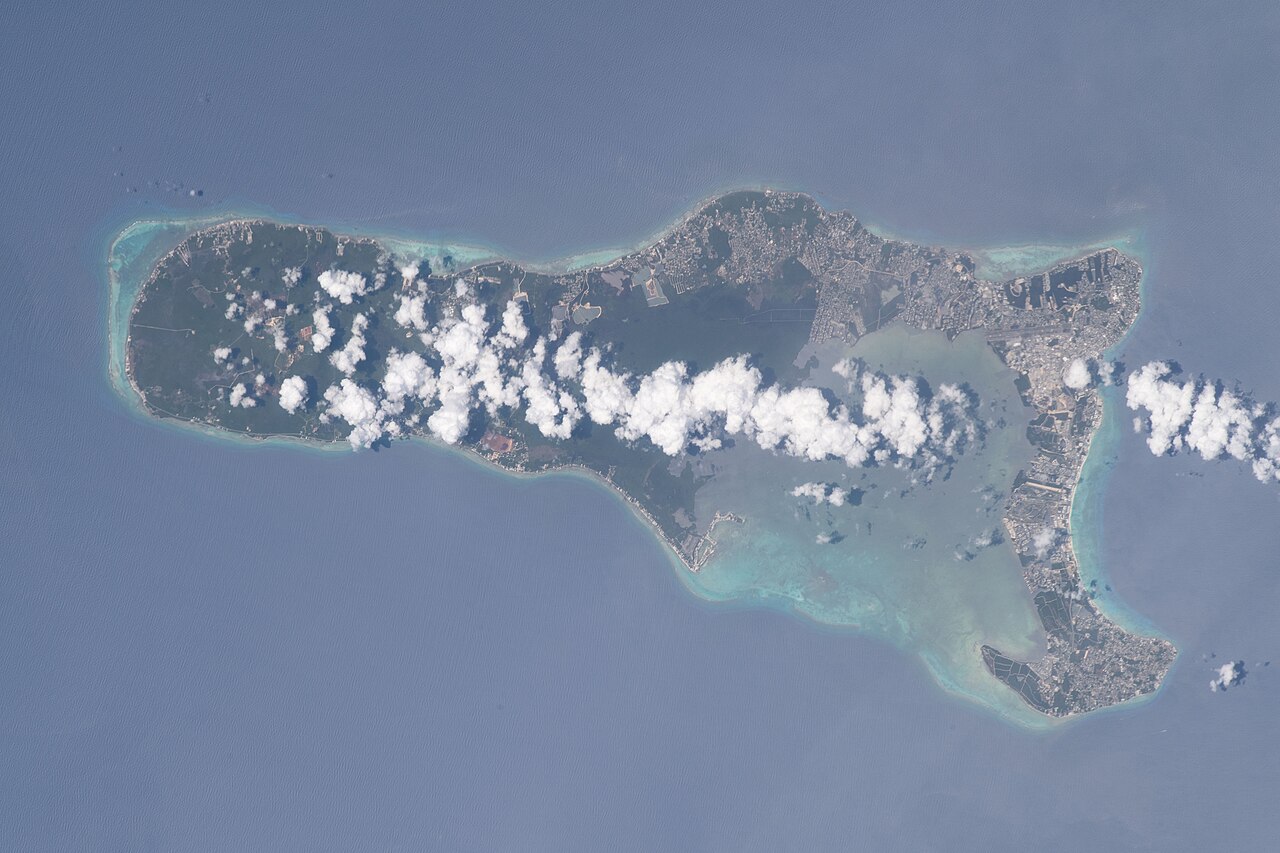
Here's the honest part: the Cayman Islands are among the more expensive Caribbean destinations, and there's no getting around that. With no income tax and a major offshore financial center driving costs, everything from accommodation to a beach lunch reflects the local economy. Seven Mile Beach resorts are beautiful and genuinely luxurious — we'd call them worth it for a special trip. For better value, guesthouses and vacation rentals in quieter areas like East End and North Side offer real island character at lower prices, and that's where we'd point a friend who wants the Caymans without the full resort bill. A rental car is the best way to see Grand Cayman, which is only 22 miles long and 8 miles wide. Don't miss the bioluminescent bay at the island's eastern end, where microorganisms light up the water in blue-green on moonless nights. If we had to sum it up: this is a polished, somewhat expensive Caribbean destination that still manages to deliver genuinely wild, extraordinary moments. For the right trip, we'd go back without hesitation.