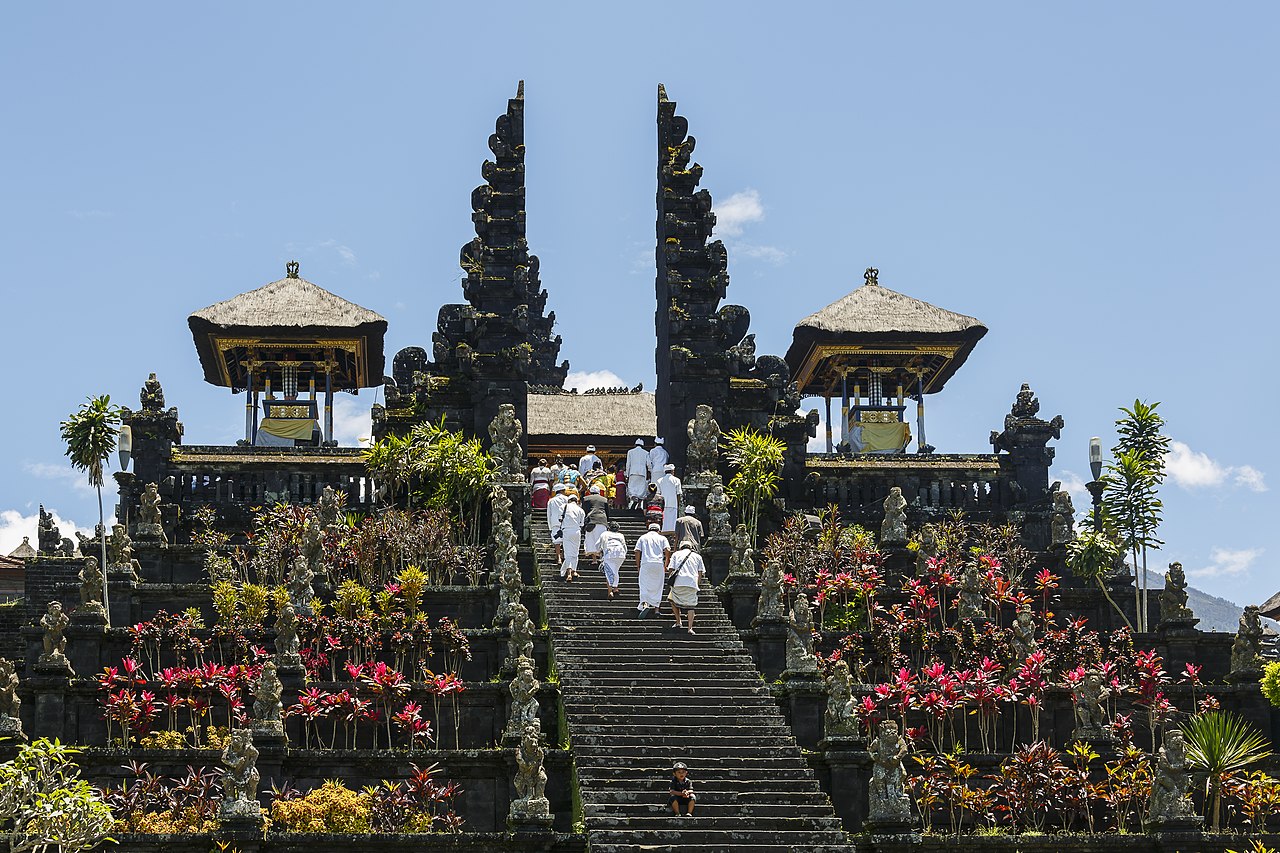
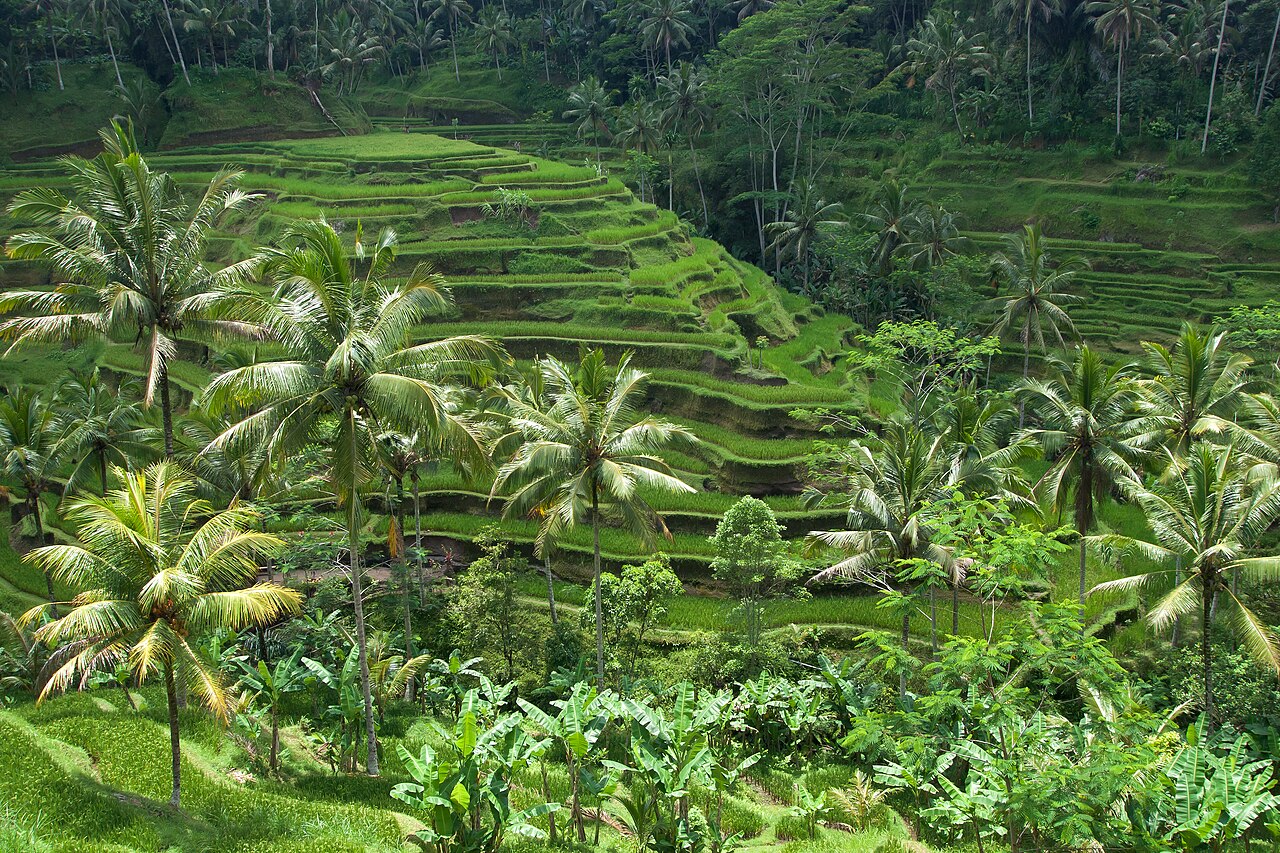
Bali earns its reputation. It comes up in every dream destination conversation with a reverence that's hard to explain until you go. This is an island where Hindu spirituality isn't a museum exhibit; it's the texture of daily life. The intricate flower offerings called canang sari appear every morning on doorsteps, dashboards, and temple altars. Elaborate ceremonies with gamelan orchestras and masked dancers unfold in village temples on a near-daily basis. Even the terraced rice paddies, sculpted into impossibly green contours over centuries, are considered sacred — governed by a cooperative water-sharing system called subak that UNESCO has formally recognized. Bali, the Island of the Gods, sits within the Indonesian archipelago as a place unlike anywhere else in Southeast Asia, and the rest of predominantly Muslim Indonesia makes its unique form of Hinduism all the more striking when you arrive.
Explore Bali
Discover Bali through photos that tell the story.
Find out how well you know Bali.
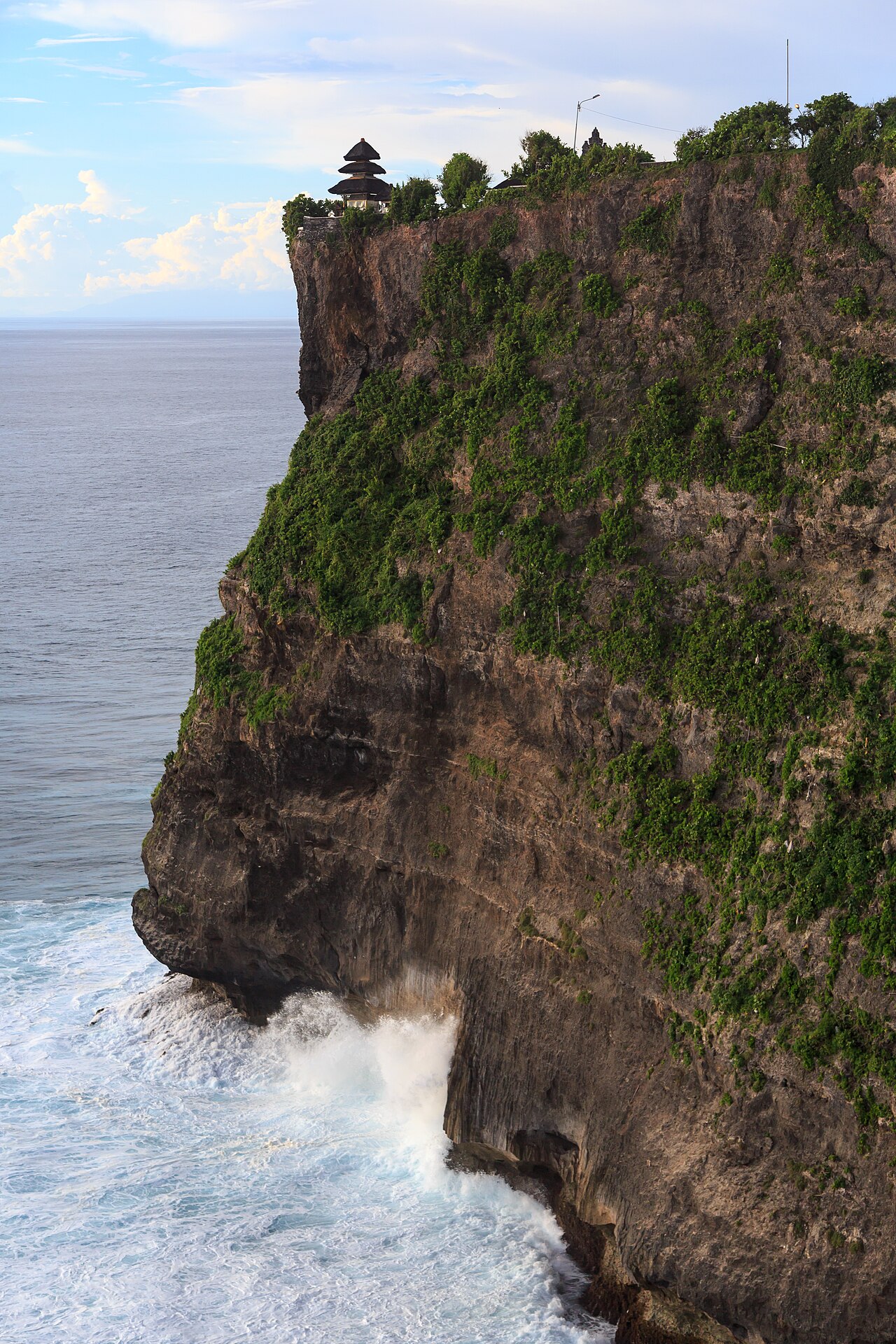
The cultural heartland of Ubud sits among ravines and rice terraces in the island's interior, and it's worth slowing down here. Galleries display traditional Balinese painting styles alongside contemporary works. Woodcarving workshops line the roads of surrounding villages like Mas and Celuk. The Ubud Royal Palace hosts nightly dance performances that are genuinely worth your evening. Beyond Ubud, the temples are among Asia's most dramatic sacred sites — and we don't use that word lightly. Tanah Lot perches on a rocky offshore islet, silhouetted against Indian Ocean sunsets. Uluwatu clings to a sheer limestone cliff 70 meters above the surf. Besakih, the Mother Temple, sprawls across the slopes of Mount Agung, Bali's highest and most sacred volcano at 3,031 meters. Trust us: don't skip Uluwatu.
Bali's coastline packs remarkable diversity into a surprisingly small footprint. The southern beaches of Kuta, Seminyak, and Canggu draw surfers with consistent breaks and a buzzing nightlife scene. The Bukit Peninsula in the far south harbors hidden cove beaches like Padang Padang and Bingin, reached by steep staircases carved into limestone cliffs — worth every step. On the east coast, Amed offers calm water ideal for snorkeling over coral gardens and the famous USS Liberty shipwreck at Tulamben. The northern coast around Lovina is quieter, known for dolphin watching and black sand beaches. And Nusa Penida, a rugged limestone island off Bali's southeast coast, has become a must-visit for its dramatic cliff formations, manta ray encounters, and the iconic Kelingking Beach. We'd suggest picking a home base and doing day trips rather than trying to chase all of it at once.
Balinese cuisine goes far beyond the nasi goreng and satay found across Indonesia — and it's one of the best value propositions in travel. Babi guling, a whole roasted suckling pig seasoned with turmeric and lemongrass, is the island's most celebrated dish, and it lives up to the billing. Bebek betutu is duck stuffed with traditional spices, wrapped in banana leaves, and slow-cooked for hours. Lawar, a finely chopped salad of vegetables, coconut, and spices mixed with minced meat, accompanies ceremonial feasts. Street-side warungs serve all of these for a fraction of restaurant prices — some of the most authentic flavors on the island for very little spend. The best time to visit is during the dry season from April through October, with June through September being peak. If you want reliable weather with a slightly thinner crowd, shoulder months are your friend.
Bali's Ngurah Rai International Airport near Denpasar receives direct flights from major Asian, Australian, and Middle Eastern cities. Many visitors hire a private driver for day trips, which is genuinely affordable and worth every rupiah. Renting a motorbike is the local approach, but the traffic in the southern tourist corridor is chaotic — this isn't the place to learn. Accommodation spans the full range, from budget guesthouses in Ubud for under twenty dollars a night to ultra-luxury cliff-top resorts in Uluwatu. The honest caveat: Bali's popularity has a real cost. The southern corridor traffic can be intense, the most-photographed spots can feel crowded, and the government has introduced new visitor fees and sustainability measures in response to overtourism. It hasn't dulled the experience — but knowing what you're walking into is half the battle. Go in with a plan, and Bali will give you something worth every dollar you spend.