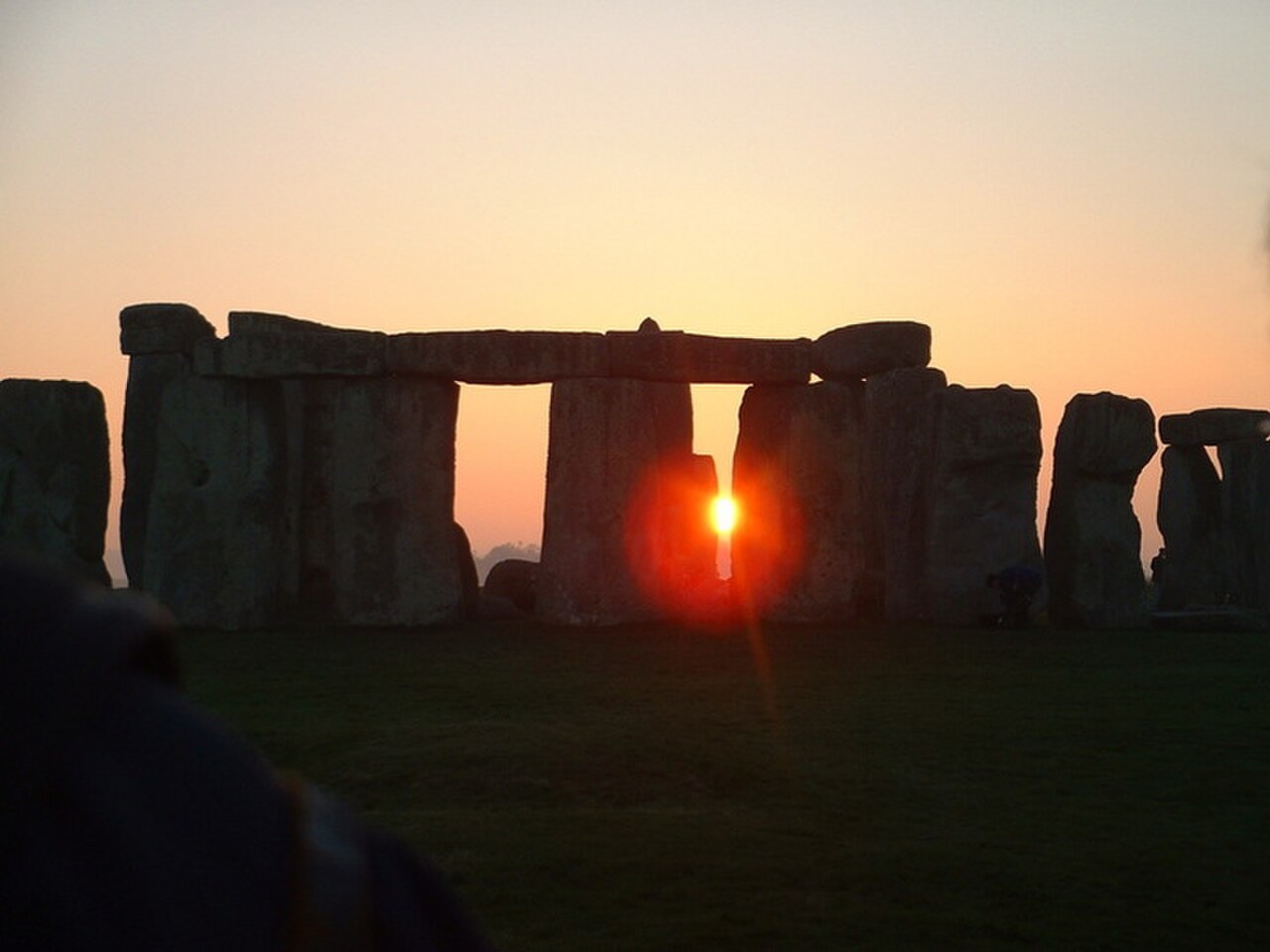
Forget the mysticism for a minute. The engineering at Stonehenge is the stranger story — 25-tonne stones transported from Wales, seated with mortise-and-tenon joints, by people who had no iron tools and no written language. Whatever you believe about its purpose, that's a remarkable thing to stand in front of. The monument wasn't built all at once but evolved over roughly 1,500 years, from around 3000 BC to 1500 BC. It started as a cemetery — a circular earthwork ditch and bank with 56 pits called the Aubrey holes, likely holding cremated human remains — before it became the stone circle most people picture.
Explore Stonehenge
Discover Stonehenge through photos that tell the story.
Find out how well you know Stonehenge.
The engineering that makes Stonehenge worth understanding starts with the bluestones. Those 43 surviving stones, each weighing up to 4 tonnes, came from the Preseli Hills in Wales — approximately 240 miles away. Neolithic people moved them around 2500 BC, likely using wooden sledges, rollers, and rafts along the Welsh and English coast. The source quarries have been precisely identified at Carn Goedog and Craig Rhos-y-felin, and recent research suggests these stones may have stood at a Welsh stone circle first, then been dismantled and relocated to Salisbury Plain. That's not a shortcut theory — that's a decision to move an entire monument across the British landscape.

The larger sarsen stones — uprights up to 25 tonnes, capped with lintels — came from the Marlborough Downs, 25 miles north. Raising them required earthen ramps, wooden levers, and a working knowledge of leverage that most people underestimate when they see the result. The lintels themselves were curved along their length to maintain the circle, and fitted to the uprights with mortise-and-tenon joints borrowed from woodworking tradition. This isn't rough stone stacking. It's carpentry logic translated into stone at a scale that required serious planning and coordination across generations.
Stonehenge's alignment with the midsummer sunrise and midwinter sunset is deliberate: on the summer solstice, the sun rises directly over the Heel Stone and its first rays hit the center of the monument. That precision, combined with the cremated remains of hundreds of individuals found at the site, points to a place of real ceremonial importance — possibly ancestor veneration, healing rituals, or solar ceremony drawing communities from across prehistoric Britain. The honest caveat here is that nobody really knows. Scholars have theories; some are better-supported than others. The uncertainty is part of what makes it interesting rather than a reason to be skeptical.
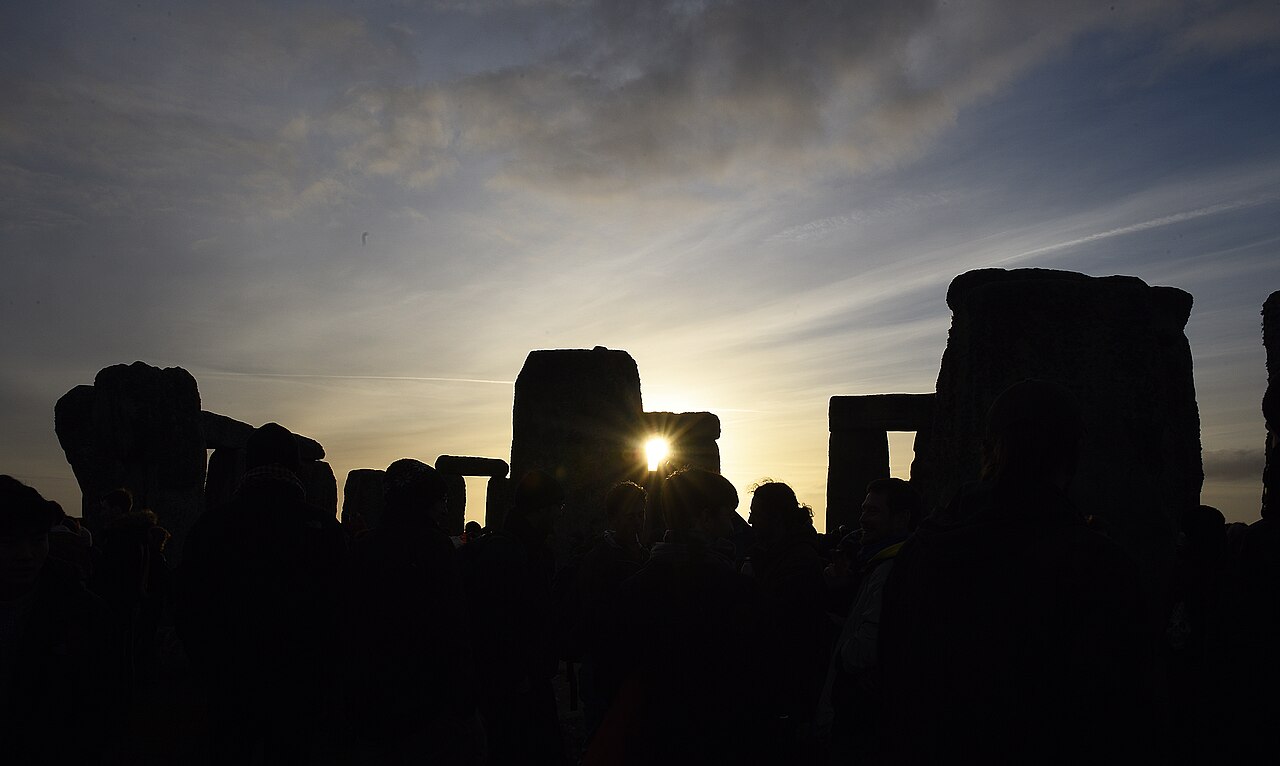
Stonehenge has been a UNESCO World Heritage Site since 1986, alongside nearby Avebury. DNA analysis of individuals buried here shows the earliest builders descended from Anatolian farmers who arrived in Britain around 4000 BC; later phases show Bell Beaker culture migrants from the continent arriving around 2500 BC. The site keeps offering up new answers while generating new questions — which is a good sign for a 5,000-year-old monument. A long-debated tunnel to reduce the A303 traffic near the site was approved in 2023, which should eventually restore something closer to the open landscape the original builders would have known. Whether that changes the experience significantly, I'd wait to see before booking around it.