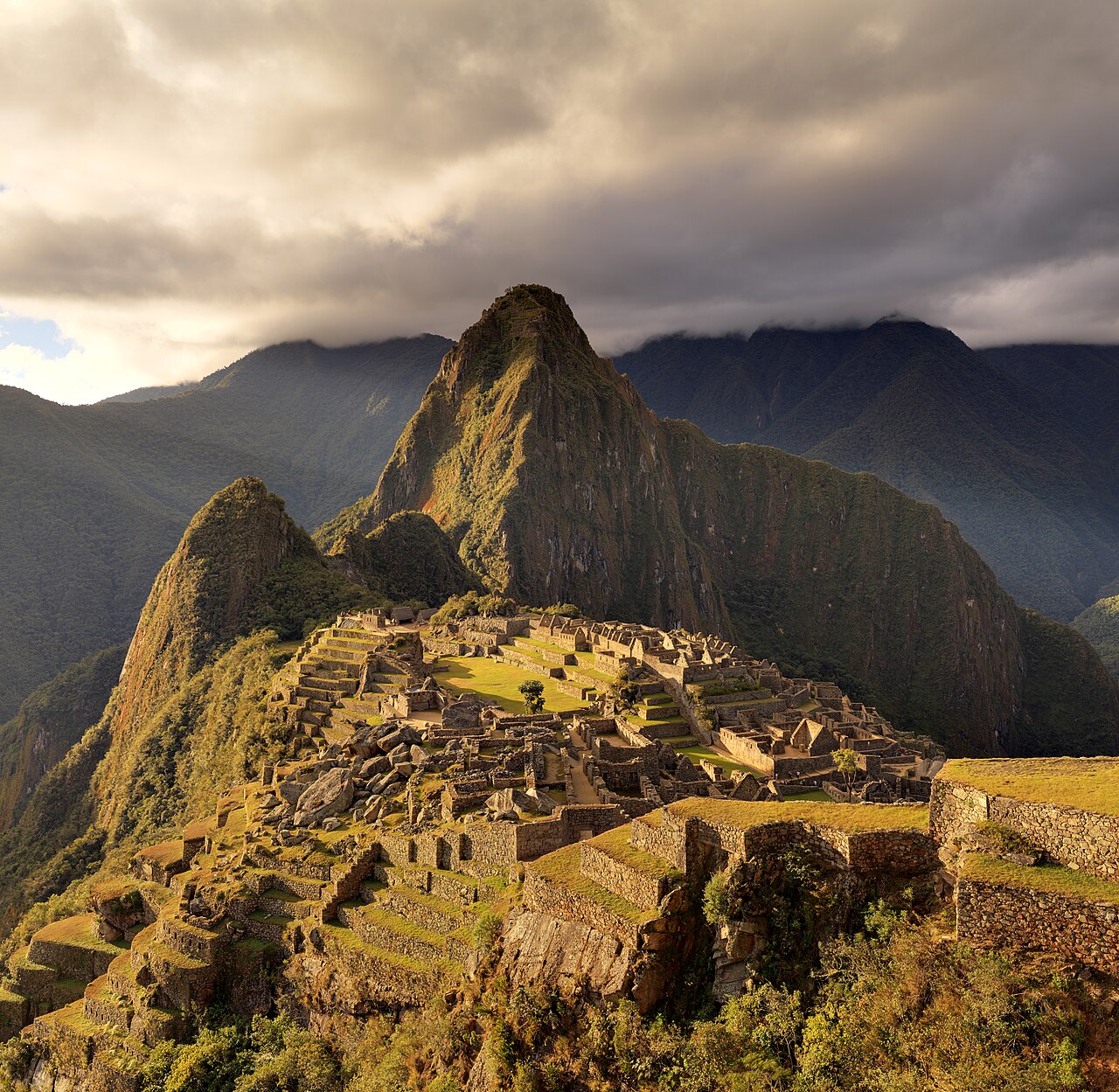
The Spanish never found Machu Picchu. That single fact — that an entire city survived intact because conquistadors couldn't locate it — is what makes this place hit differently than every other ancient ruin on your list. While they systematically destroyed every major Inca city they came across, Machu Picchu sat hidden above the cloud forest, its granite blocks still fitted together, its fountains still functional. When Hiram Bingham arrived in 1911, guided by a local farmer, walls were still standing. Four centuries of jungle, and the city was essentially intact.
Explore Machu Picchu
Discover Machu Picchu through photos that tell the story.
Find out how well you know Machu Picchu.
Built around 1450 AD by Sapa Inca Pachacuti, the citadel sits at 7,970 feet in the Peruvian Andes — constructed without the wheel, iron tools, or mortar. Thousands of granite blocks fitted so precisely they hold by their own weight. Most scholars read it as a royal estate: part retreat, part religious complex, part political statement. At its peak, roughly 750 people lived here permanently, with numbers swelling during festivals. The city divides between agricultural and urban sectors — more than 200 structures including temples, residences, storehouses, and a hydraulic system that still partly works today.
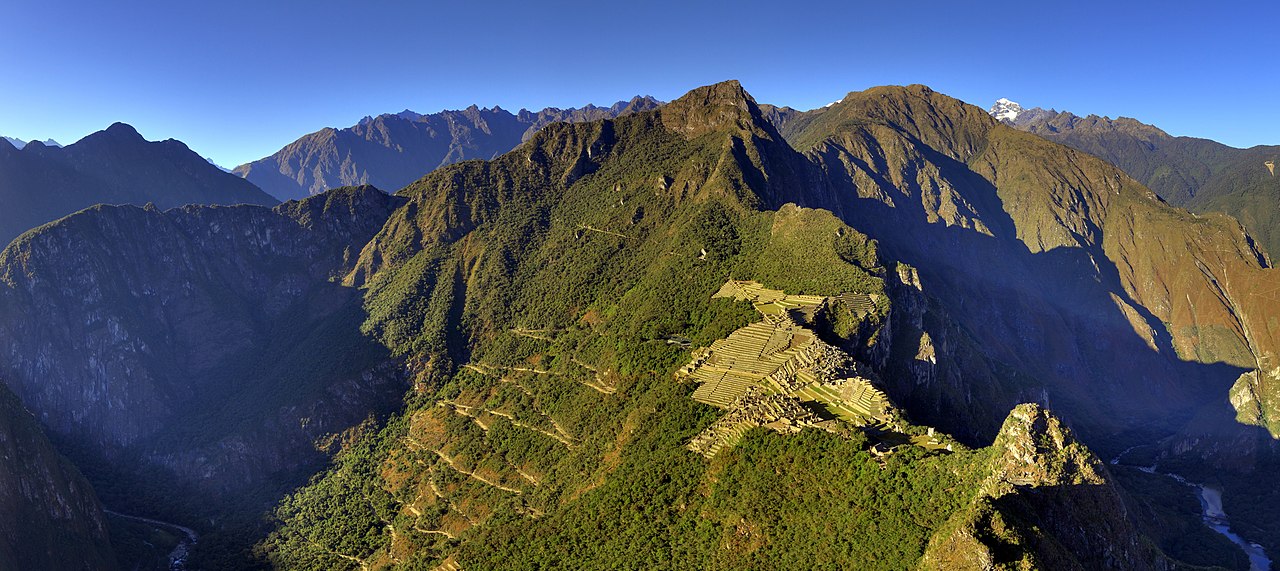
The spiritual center is the Intihuatana stone, a carved granite pillar whose name translates to 'hitching post of the sun' — an astronomical calendar designed to fix the sun to the earth at the winter solstice. Nearby, the Temple of the Sun is the best example of Inca curved stonework you'll see anywhere, its trapezoidal windows aligned so the solstice sunrise falls directly on a sacred stone. If you care about why places were built, not just that they were, the Sacred Plaza gives you more to think about than most sites twice its size.
Here's the honest caveat: over a million visitors a year come here, and the experience reflects that. Timed entry, crowd management, controlled routes — it's managed tourism at scale. The classic view from the Guardian's Hut is worth it, but you're sharing it with a lot of people. If you want something closer to what this place actually felt like, the four-day Inca Trail is the answer. Arriving through the Sun Gate at dawn, you see the city appear below you the way Inca pilgrims did — which is a genuinely different experience than stepping off a bus in Aguas Calientes.
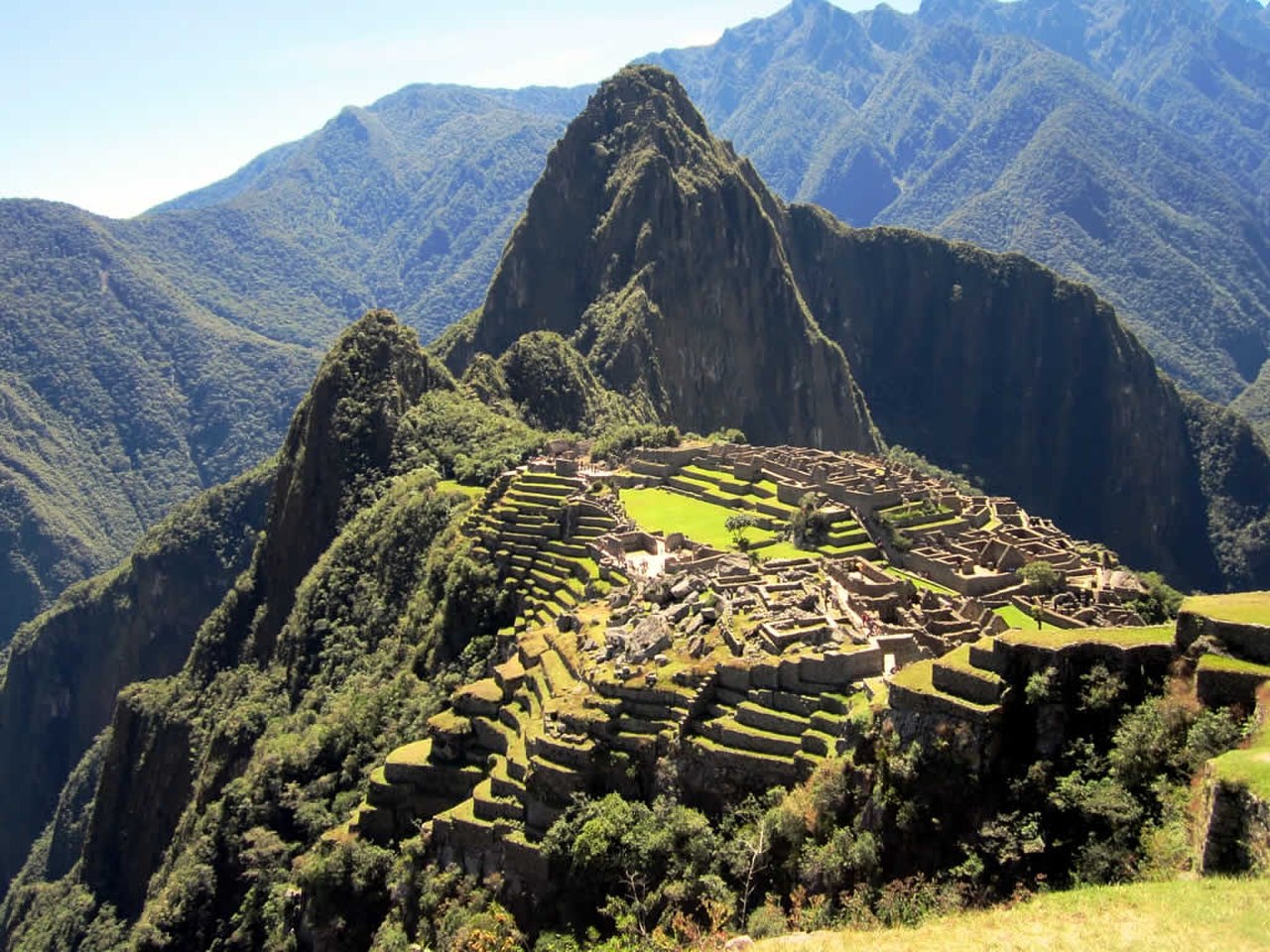
The honest question is whether Machu Picchu lives up to the hype. It does, with those caveats. The stonework is real. The scale is real. The setting — a city that looks like it grew from the mountain itself — is real. The Inca built for eternity, abandoned the place around 1572 when smallpox spread ahead of the Spanish, and the jungle kept their secret for centuries. Plan ahead, book early, and don't cheap out on the trek if you have the time. The views from below are impressive. The views from Huayna Picchu, if you get a permit, are extraordinary.