There's a moment standing inside Hagia Sophia when you look up at that dome — 31 meters across, 55 meters above the floor, floating on a ring of light from 40 windows at its base — and you realize that something built in 537 AD still stops people in their tracks. That's the thing about Istanbul. It doesn't just have history. It has history that keeps colliding with the present in ways you don't expect.
Explore Istanbul
Discover Istanbul through photos that tell the story.
Find out how well you know Istanbul.
The city started as the Greek colony of Byzantium around 660 BC, but its real story began in 330 AD when the Roman Emperor Constantine the Great chose it as the new capital of the Roman Empire. He renamed it Constantinople and spent lavishly turning it into the most magnificent city in the Christian world. The location made it powerful: the narrow Bosphorus strait where Europe and Asia meet, the only maritime passage between the Black Sea and the Mediterranean. Whoever held it controlled trade between two continents — and that made Constantinople an irresistible prize for a thousand years.
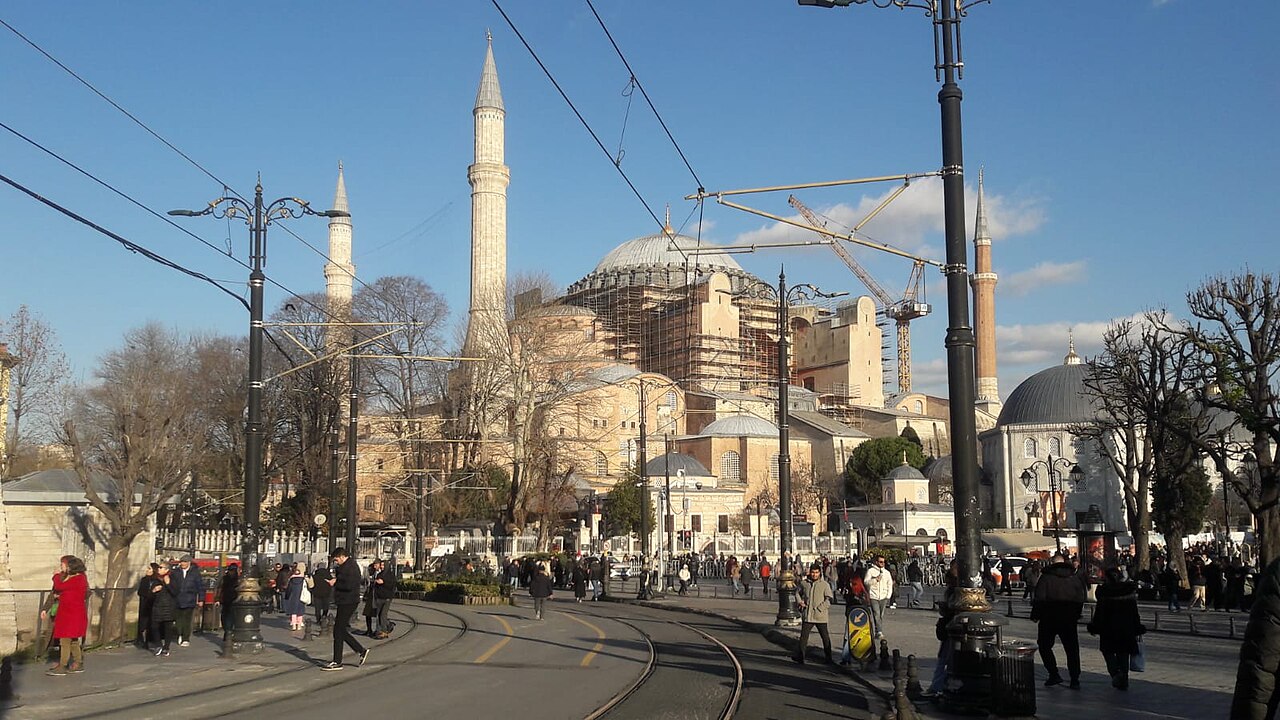
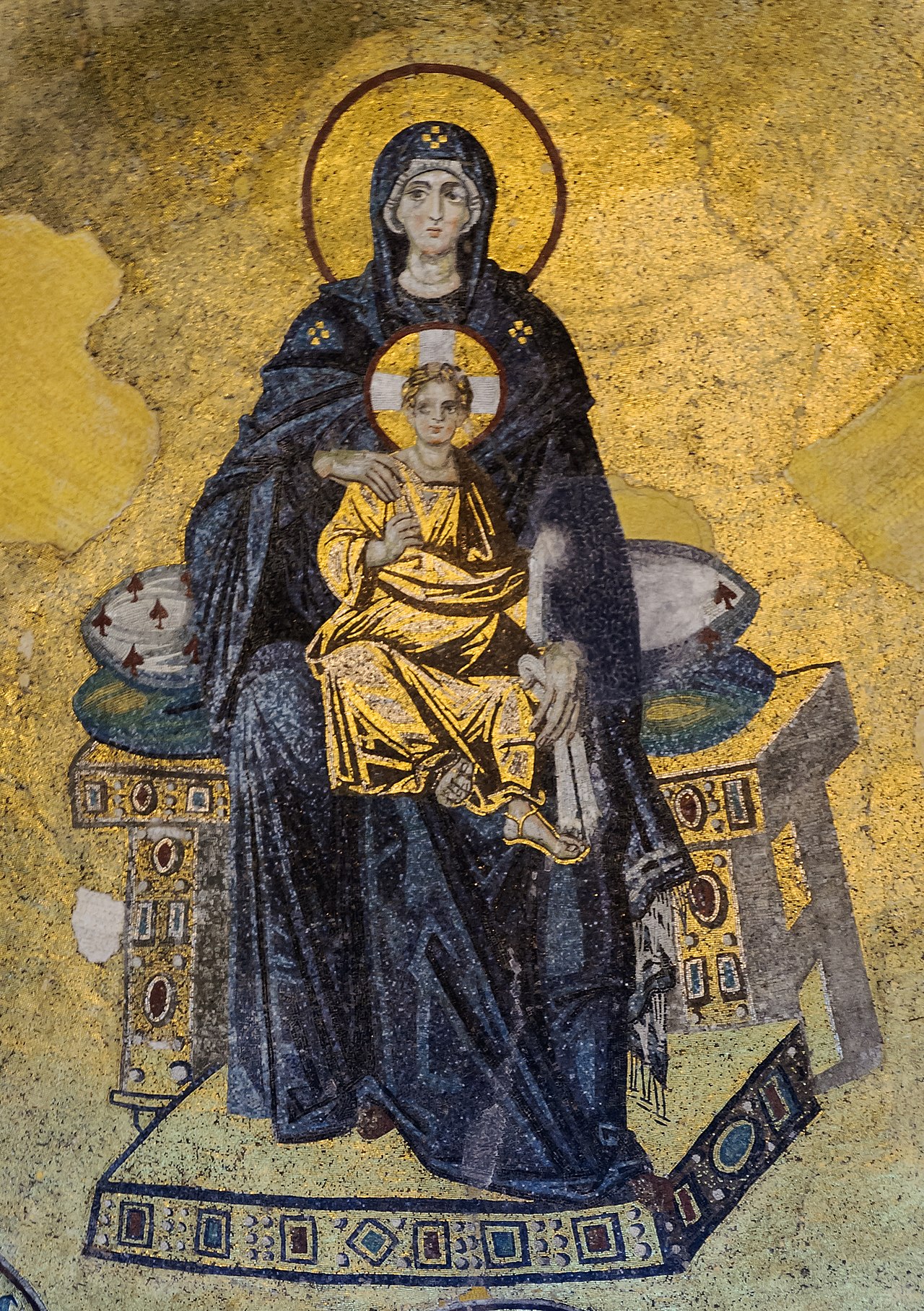
Emperor Justinian I completed the Hagia Sophia in 537 AD and it remained the largest cathedral in the world for nearly a thousand years. Byzantine historians wrote that its dome seemed suspended from heaven by a golden chain — and honestly, standing under it, you understand why they reached for that language. The golden mosaics of Christ Pantocrator and the Virgin Mary survive in the upper galleries, remarkably preserved. They were made in the same century Rome was falling.
On May 29, 1453, Sultan Mehmed II ended a 53-day siege by breaching the walls and taking Constantinople. The city became the capital of the Ottoman Empire. Hagia Sophia was converted to a mosque, its Christian mosaics plastered over. A new imperial complex — Topkapi Palace — went up on the peninsula's tip, commanding views of the Bosphorus, the Golden Horn, and the Sea of Marmara. The Ottomans weren't content to inherit magnificence; the Blue Mosque, completed in 1616, was deliberately designed to rival Hagia Sophia and became the only mosque in the world with six minarets. At Istanbul's peak in the 16th century, the city held perhaps half a million people — one of the largest on Earth. The Grand Bazaar, established in the 15th century, grew to 61 covered streets and over 4,000 shops.
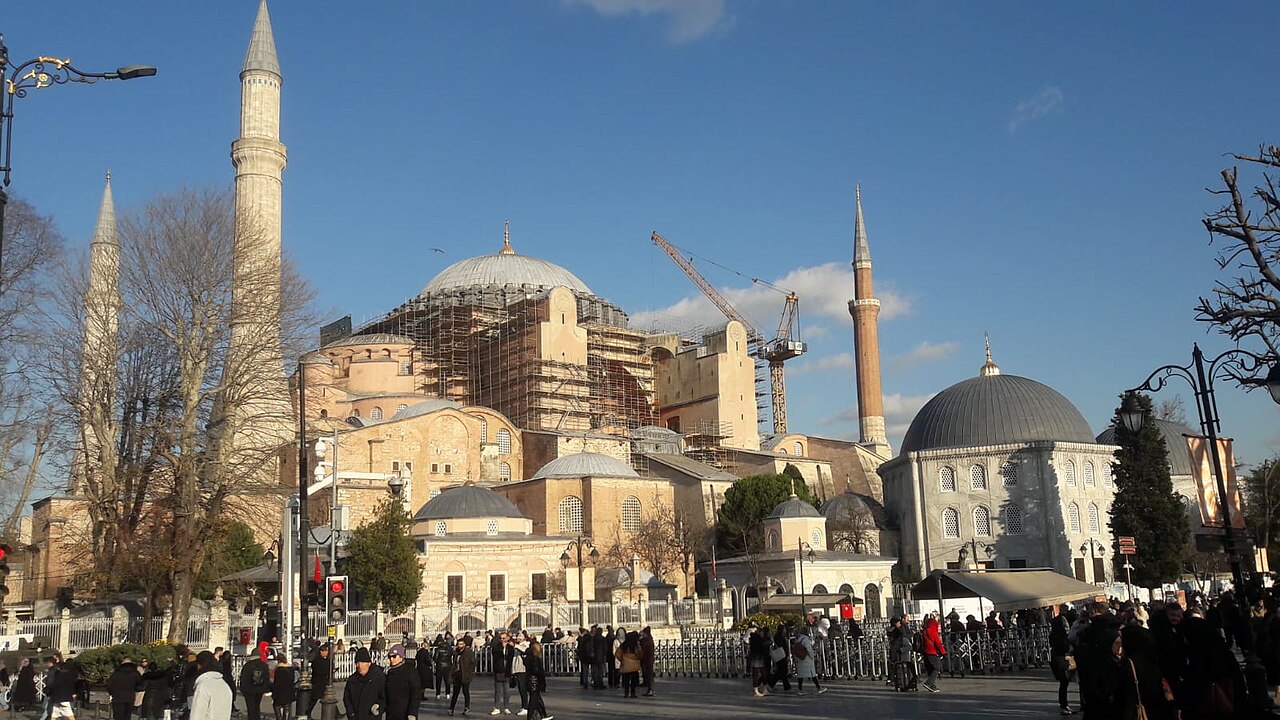
The honest caveat: in 2020, Hagia Sophia was reconverted to an active mosque after 86 years as a secular museum. Visitors can still enter, but access shifts with prayer times, and the atmosphere has changed. The debate about whether that's the right call — preservation of layered heritage versus active religious use — is very much present when you're there. It's a fitting controversy for a city where three empires overlapped and nothing was ever fully erased.
Mustafa Kemal Ataturk moved the Turkish capital to Ankara in 1923, but Istanbul never stopped being Turkey's cultural and commercial center. The UNESCO World Heritage designation came in 1985, and the city draws millions of visitors annually to a concentration of Byzantine and Ottoman monuments that doesn't exist anywhere else. Whether you're drawn by the mosaics, the skyline, or just the sheer density of three thousand years of continuous habitation in one place — Istanbul delivers.