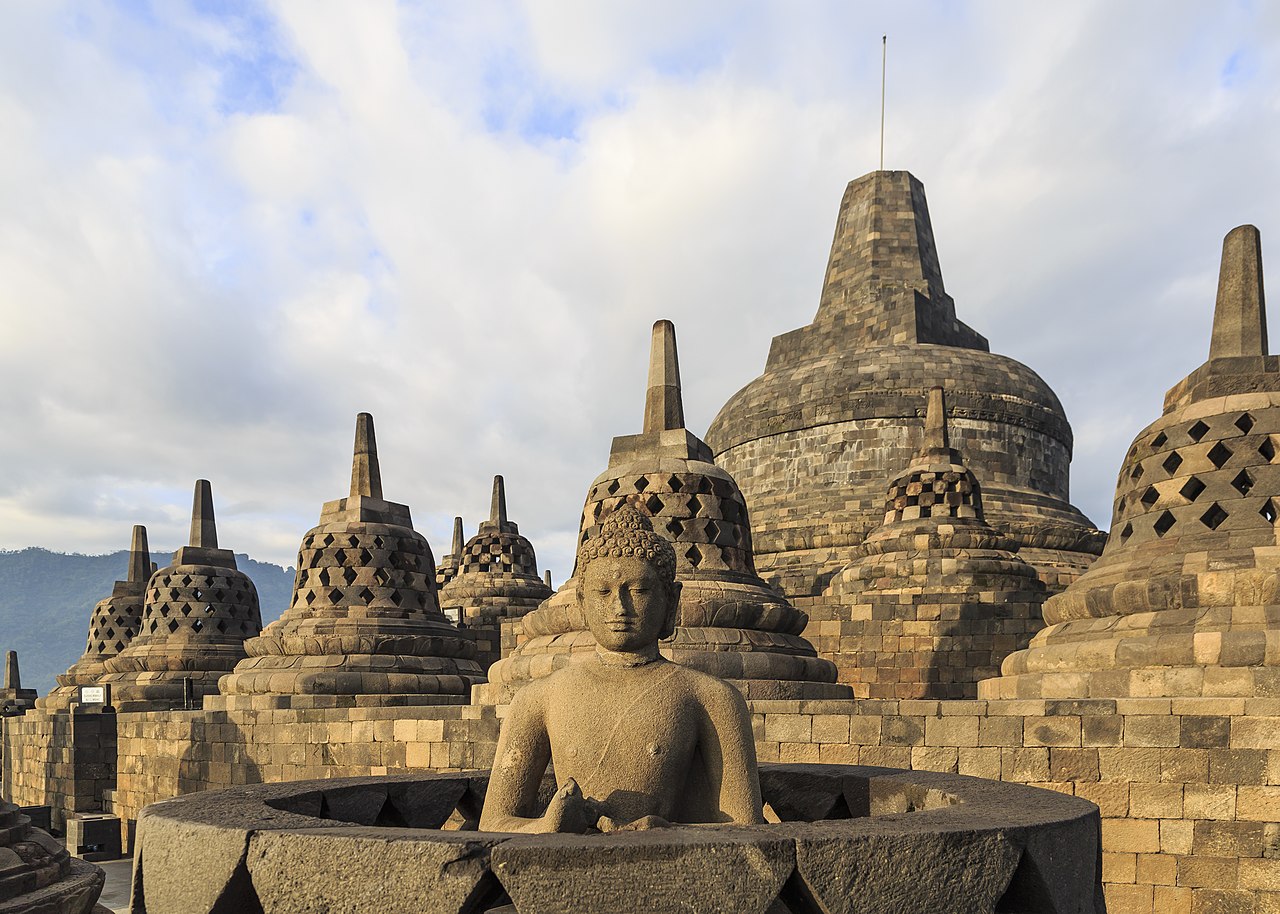
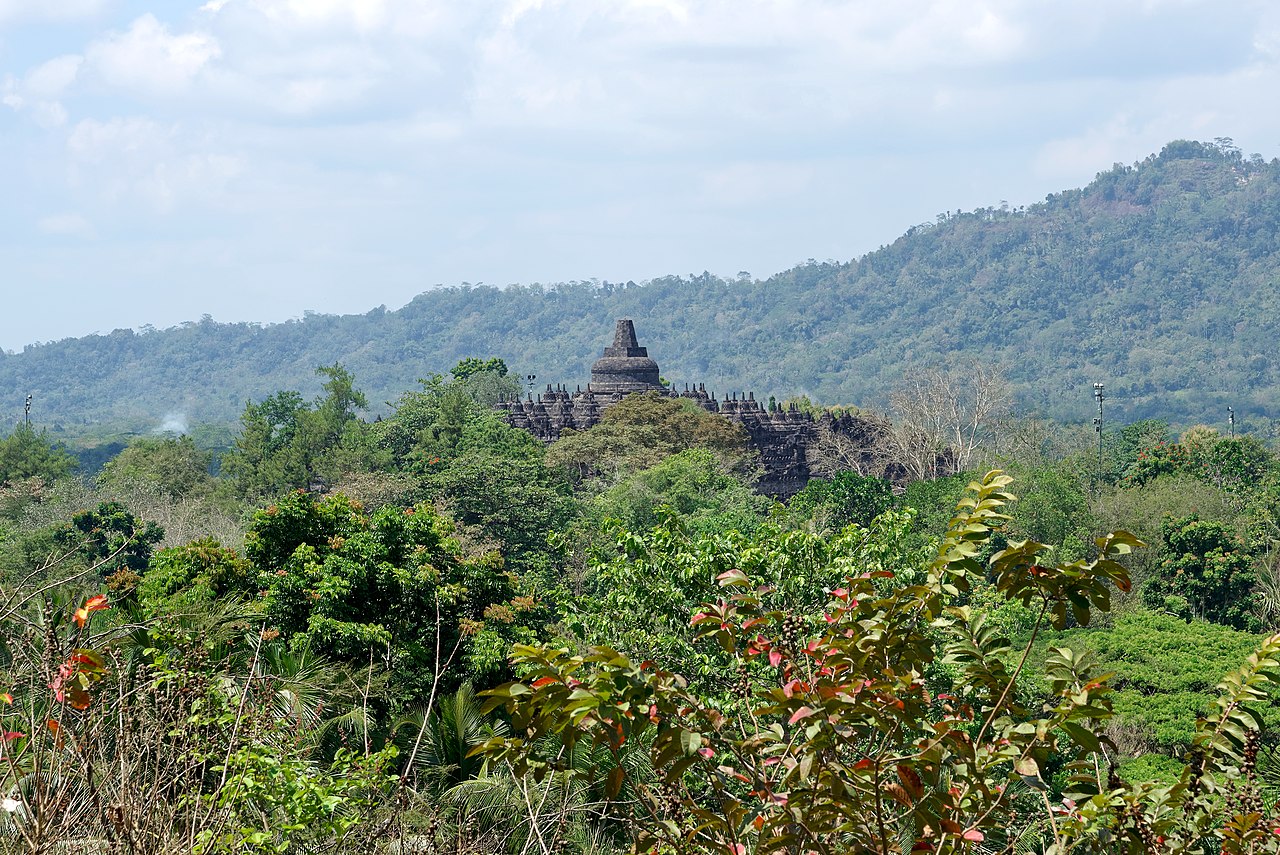
Borobudur spent roughly a thousand years buried under volcanic ash and jungle on the island of Java — not entirely forgotten by local people, who venerated the site with something between reverence and unease, but unknown to the wider world until 1814. That's either a remarkable story of survival or a sobering reminder of how thoroughly civilizations can disappear. Probably both. If you're trying to decide whether this belongs on your itinerary for Indonesia, it does. Nothing else in Southeast Asia comes close to what this place is.
Explore Borobudur
Discover Borobudur through photos that tell the story.
Find out how well you know Borobudur.
Built between approximately 780 and 840 AD under the Sailendra dynasty, Borobudur required an estimated two million blocks of volcanic andesite stone and roughly 75 years to complete. The structure was designed as a giant three-dimensional mandala — a physical map of the Buddhist cosmos that pilgrims were meant to walk, level by level, as an act of devotion. Nine stacked platforms, six rectangular and three circular, rise 42 meters above the Central Javanese plain. The base measures 118 meters on each side. It's not just the largest Buddhist temple in the world. It's one of the largest religious structures ever built, anywhere.
The galleries covering the lower six levels contain 2,672 relief panels — the most extensive narrative Buddhist relief sculpture in the world. They illustrate the Jataka tales (stories of the Buddha's previous lives), scenes from everyday Javanese life, and the aspirational cosmology of the bodhisattvas. If you laid the panels end to end they'd stretch five kilometers. Most visitors walk past them too quickly. The panels reward close attention. The craftsmen who carved them were working at a level that's genuinely difficult to process.
The three circular terraces at the summit are different in character from everything below. Here, 72 perforated stone stupas are arranged in concentric rings, each enclosing a seated Buddha visible through the latticed stone walls. The central stupa at the very top — 9 meters in diameter — is intentionally empty, representing nirvana: liberation beyond all form and desire. The architecture is encoding a theology. The honest caveat: if you arrive mid-morning with the tour buses, the summit feels crowded and rushed. Get there at opening or, if your hotel offers the sunrise package, take it. It's the right call.
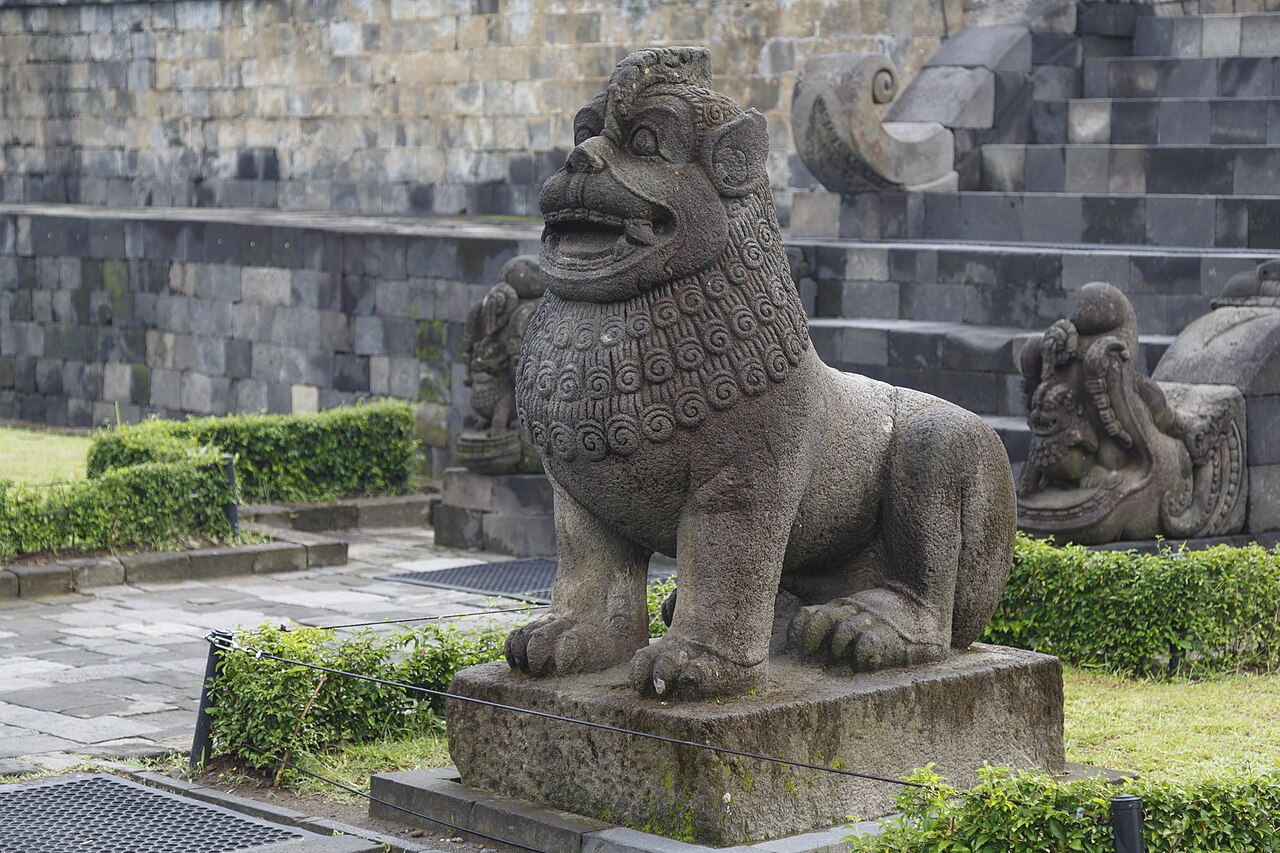
Borobudur was abandoned around the 10th century AD — likely some combination of a volcanic eruption from nearby Mount Merapi, a political shift of the Javanese center to East Java, and the eventual conversion of the population to Islam. Thomas Stamford Raffles, the British colonial lieutenant-governor, learned of its existence and sent Dutch engineer Herman Cornelius to clear and map it in 1814. Between 1973 and 1983, UNESCO and the Indonesian government dismantled the monument stone by stone, treated each piece for corrosion, installed modern drainage, and reassembled the whole. The restored Borobudur was designated a UNESCO World Heritage Site in 1991. It now draws approximately 3.5 million visitors a year — making it Indonesia's most visited attraction by a considerable margin. That's not a number to ignore when you're planning your visit.