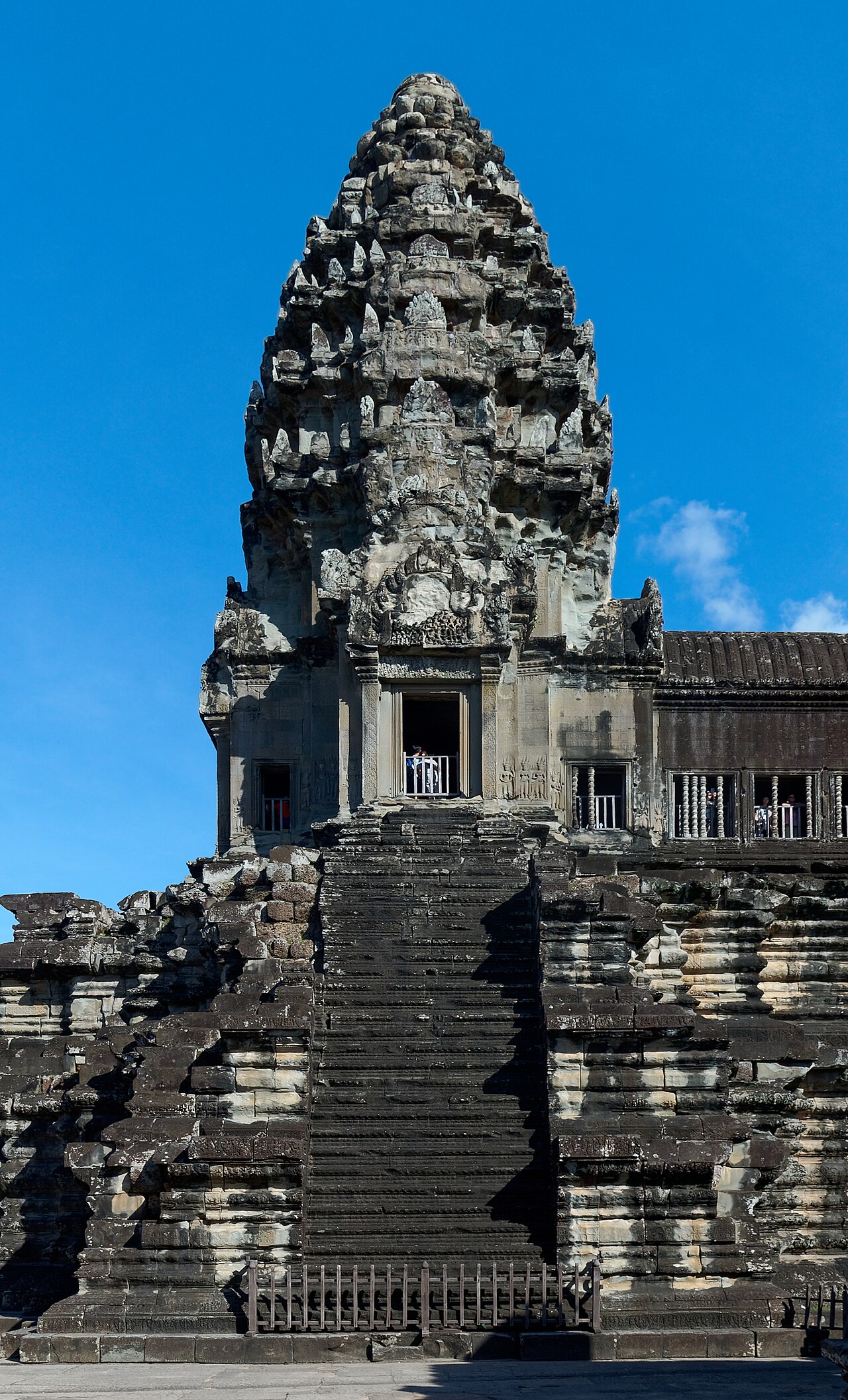
You arrive at Angkor Wat before dawn because everyone tells you to. They're right. The five towers reflecting in the moat at first light is the image on Cambodia's national flag, and standing in front of it, you understand why. This is the largest religious monument ever built — more than 400 acres of stone, surrounded by a moat nearly two miles in circumference, constructed between approximately 1120 and 1150 AD under King Suryavarman II. The scale doesn't fully register until you start walking.
Explore Angkor Wat
Discover Angkor Wat through photos that tell the story.
Find out how well you know Angkor Wat.
The carvings are where Angkor Wat separates itself from every other ancient site. Nearly half a mile of continuous bas-relief friezes lines the galleries — the Ramayana, the Mahabharata, the Churning of the Sea of Milk carved across 49 meters of wall with 92 asuras and 88 devas working in detail that's still legible a thousand years later. More than 1,700 individual apsara figures cover the walls, each with a distinct headdress and expression. The southern gallery contains what scholars believe is the only surviving portrait of Suryavarman II himself, carved larger than everyone around him, multiple parasols overhead — the Khmer shorthand for royalty. The temple was dedicated to Vishnu, a deliberate break from the Shaivite tradition of earlier Khmer rulers, and it faces west — the direction of death and the setting sun — which is why many scholars think it was conceived as Suryavarman II's mausoleum as much as his temple.
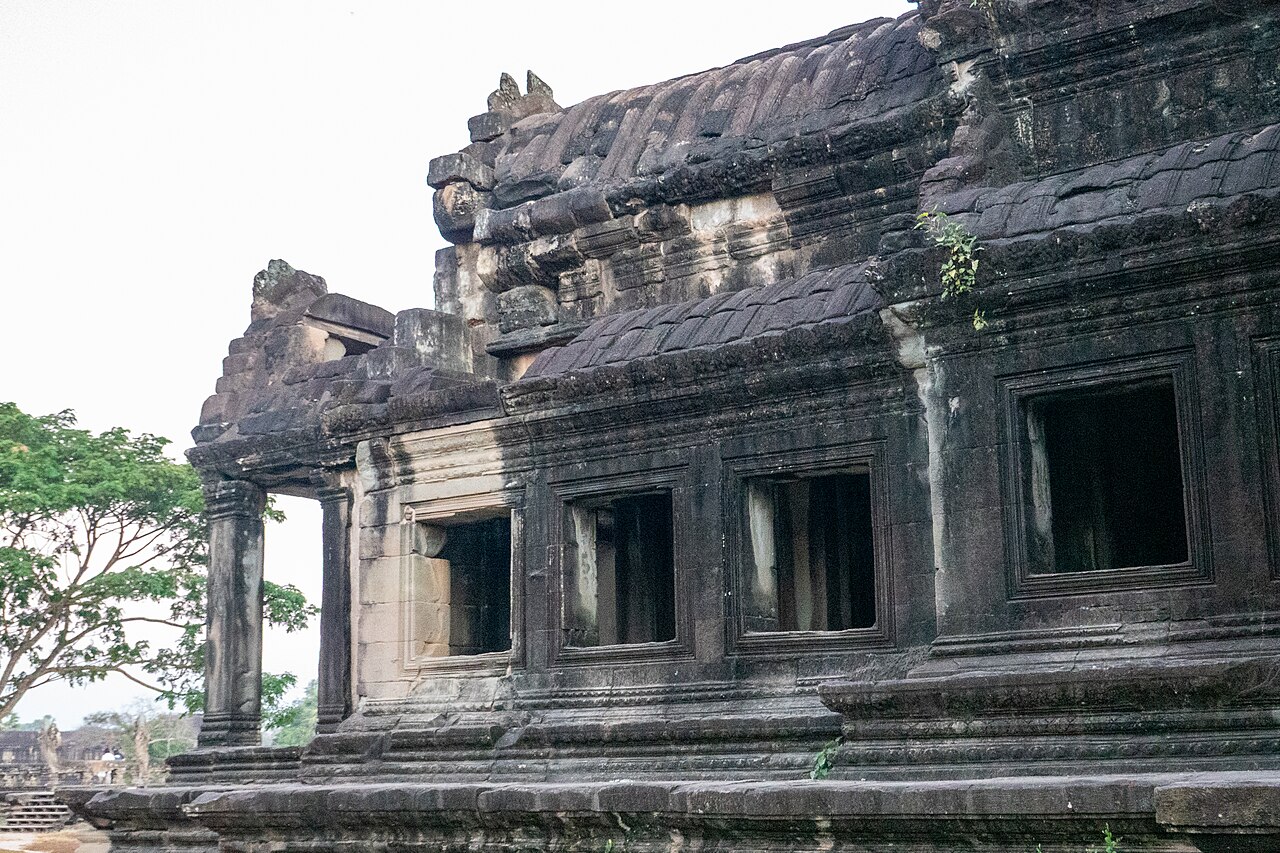
By the late 13th century, Angkor Wat had converted to Theravada Buddhism, following the broader shift of the Khmer Empire. Monks have maintained it continuously ever since. When the capital moved south to Phnom Penh around 1431, the temple didn't collapse into ruin — it stayed in use. That unbroken religious occupation across nearly nine centuries makes it the world's oldest continually used monument of its scale. That's not a marketing claim. That's a meaningful distinction.
French naturalist Henri Mouhot's 1860 accounts brought Angkor Wat to European attention, though Portuguese missionaries had recorded it three centuries earlier and the local population had never lost it. French colonial scholars began systematic study in the 1860s, and restoration continued through the 20th century. The Khmer Rouge era caused serious damage to the surrounding region but left the temple largely intact. UNESCO listed it in 1992. LiDAR surveys in the 2010s revealed an urban network extending far beyond the visible ruins, suggesting Angkor supported a population of perhaps one million at its peak — the largest pre-industrial city in the world.
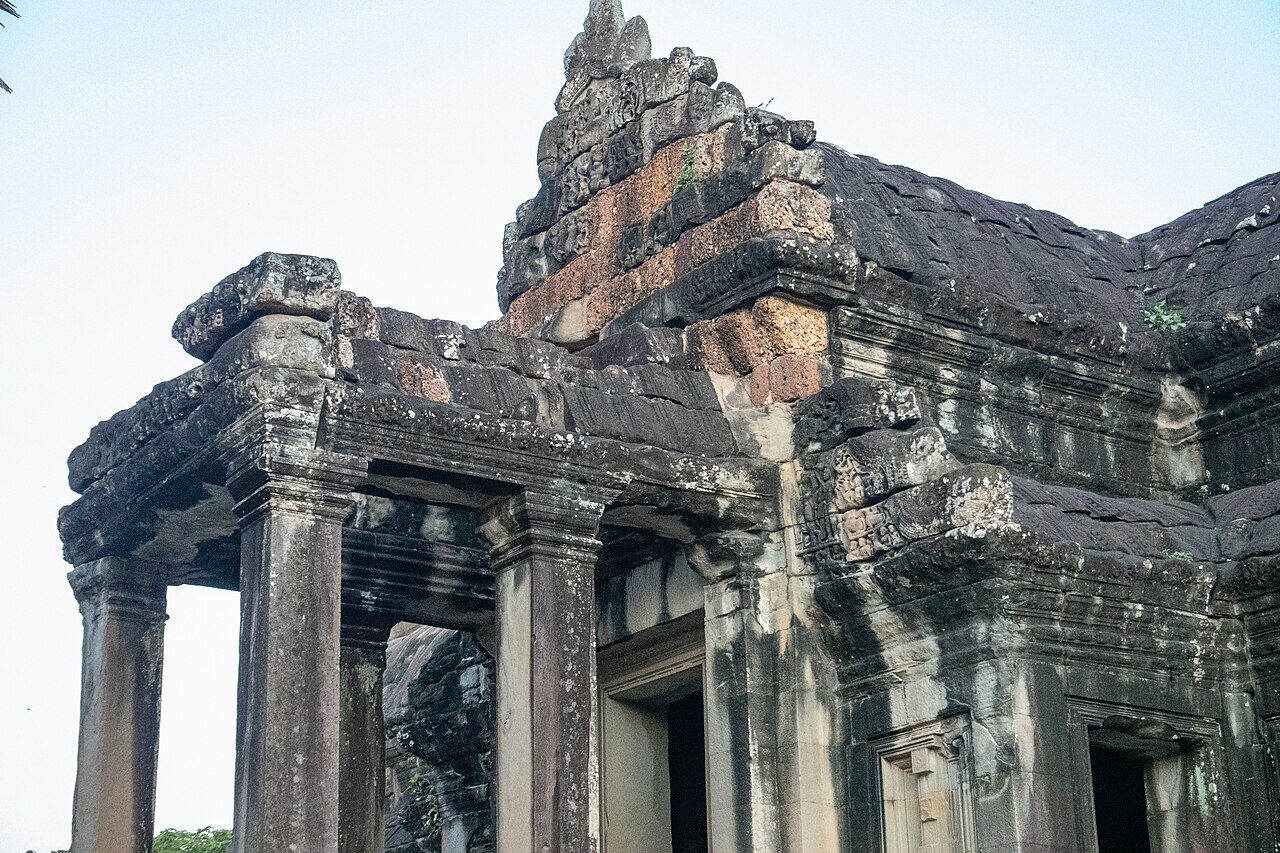
Here's what nobody leads with: two million visitors a year come here, and a significant number of them have the same dawn idea you do. The crowd doesn't ruin the site — nothing could — but if you're expecting solitude in front of the moat at sunrise, manage that expectation in advance. Arrive earlier than you think you need to, or consider coming back at midday when the light is harder but the crowds have thinned. If you're going to Cambodia, this isn't optional. Everything else you plan around it.