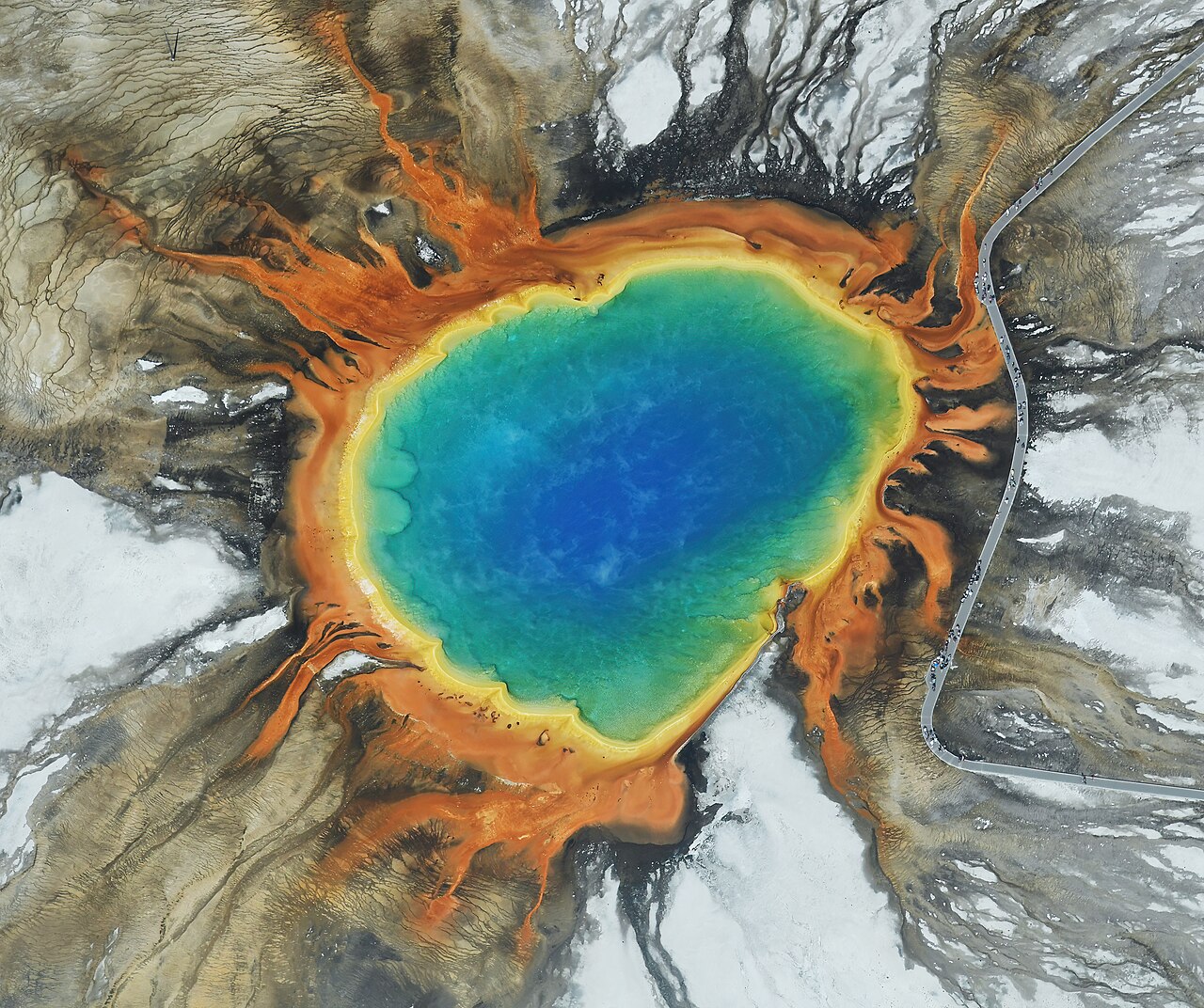
Most places that get called 'bucket list' don't quite hold up when you actually get there. Yellowstone holds up. It's one of the few places we'd tell practically anyone to go without hesitation, and we mean that in the best possible way — not as a default recommendation, but as a genuine conviction. Established in 1872 as the world's first national park, Yellowstone covers 2.2 million acres across northwestern Wyoming and slivers of Montana and Idaho, sitting atop one of the largest active volcanic systems on Earth. More than half of all geysers in the world are here. For families deciding where to invest real vacation money, this is the one that delivers.
Explore Yellowstone
Discover Yellowstone through photos that tell the story.
Find out how well you know Yellowstone.
Old Faithful earns every bit of its reputation. It erupts roughly every 90 minutes, shooting up to 8,400 gallons of boiling water as high as 180 feet into the air — and the park predicts the next eruption within a 10-minute window, which is genuinely useful when you're working around kids' energy. The Upper Geyser Basin surrounding it holds the world's largest concentration of geysers, all accessible by boardwalks that get you remarkably close to steaming vents and bubbling pools. Castle Geyser, Morning Glory Pool, Riverside Geyser — each worth a stop, all within easy walking distance. But the one we'd push you toward most is Grand Prismatic Spring: 370 feet across, the largest hot spring in the United States and the third largest on Earth. Its concentric rings of orange, yellow, green, and deep blue come from thermophiles — heat-loving bacteria that thrive at different temperatures around the edges. Take the overlook trail from the Fairy Falls parking area. The aerial view stops people mid-sentence, and we mean that literally — no photo fully prepares you for it.
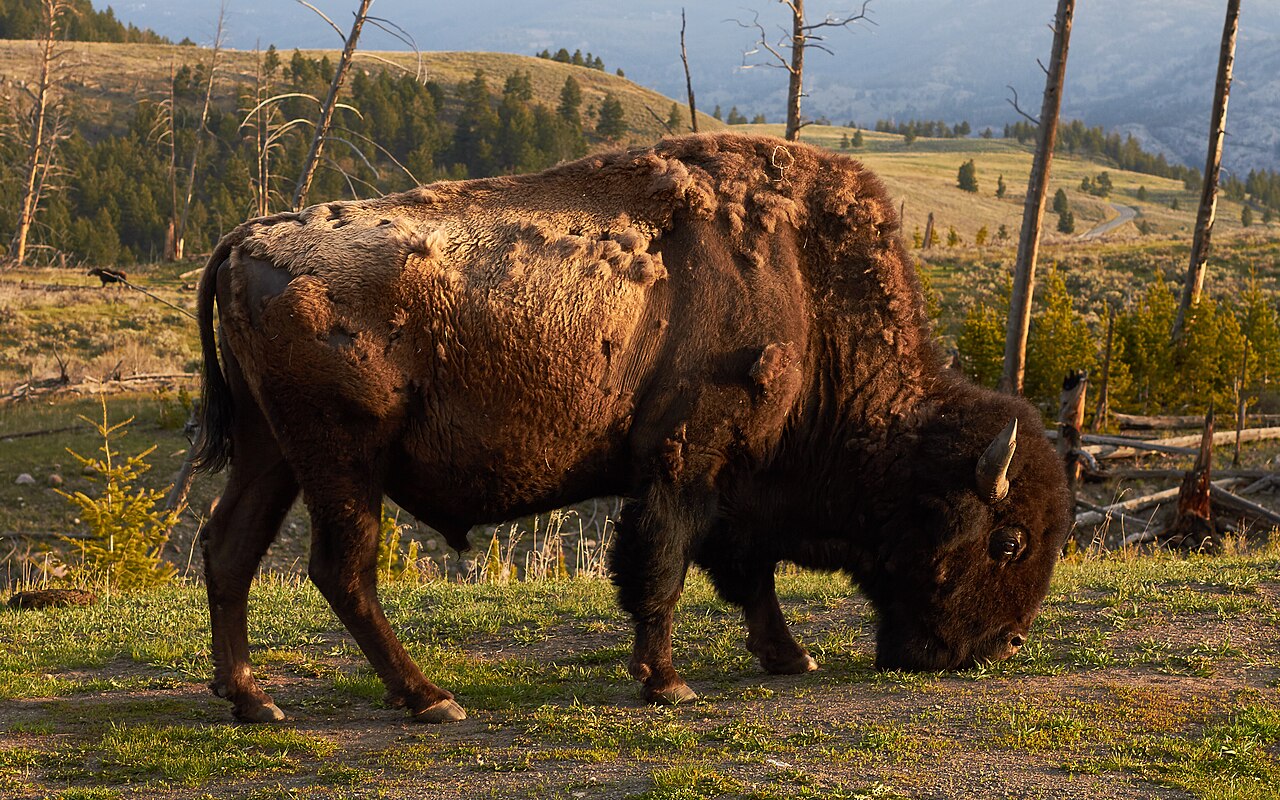
The wildlife is Yellowstone's second headliner, and depending on the morning, it might honestly be the better one. The park holds the largest concentration of mammals in the lower 48 states: - Roughly 5,000 bison — the largest free-roaming herd on public land in the country - More than 600 grizzly bears - Several wolf packs - Elk, pronghorn, bighorn sheep, and moose in the river thickets Lamar Valley in the northeast corner is called America's Serengeti, and we'd say that's fair. Arrive at dawn and you'll likely see wolves working in coordinated packs, grizzlies digging for roots or fishing in streams, and bison herds stretching to the horizon against snow-capped peaks. Budget extra time here — it's the kind of place where plans dissolve and nobody minds. For families with younger kids, the Junior Ranger program at every visitor center gives children ages 5 to 12 an activity booklet that walks through Yellowstone's ecosystems and finishes with an official badge. It keeps kids genuinely engaged on the long drives between basins.
Beyond the geysers and wildlife, the landscape itself keeps delivering. A few highlights worth building your itinerary around: - **Grand Canyon of the Yellowstone**: carved nearly 1,000 feet deep through volcanic rhyolite, where the Lower Falls drops 308 feet — almost twice the height of Niagara Falls - **Artist Point**: where painter Thomas Moran made the sketches that helped convince Congress to protect this land — still worth standing in the exact same spot - **Mammoth Hot Springs**: layered travertine terraces built up over thousands of years by mineral-rich water, looking more like another planet than anywhere in the lower 48 - **Yellowstone Lake**: the largest high-altitude lake in North America at 7,733 feet, with fishing for native cutthroat trout and mountain views in every direction The park has 900 miles of trails, from flat boardwalk strolls to serious backcountry routes, plus ranger-led hikes, campfire talks, and wildlife excursions designed specifically for families.
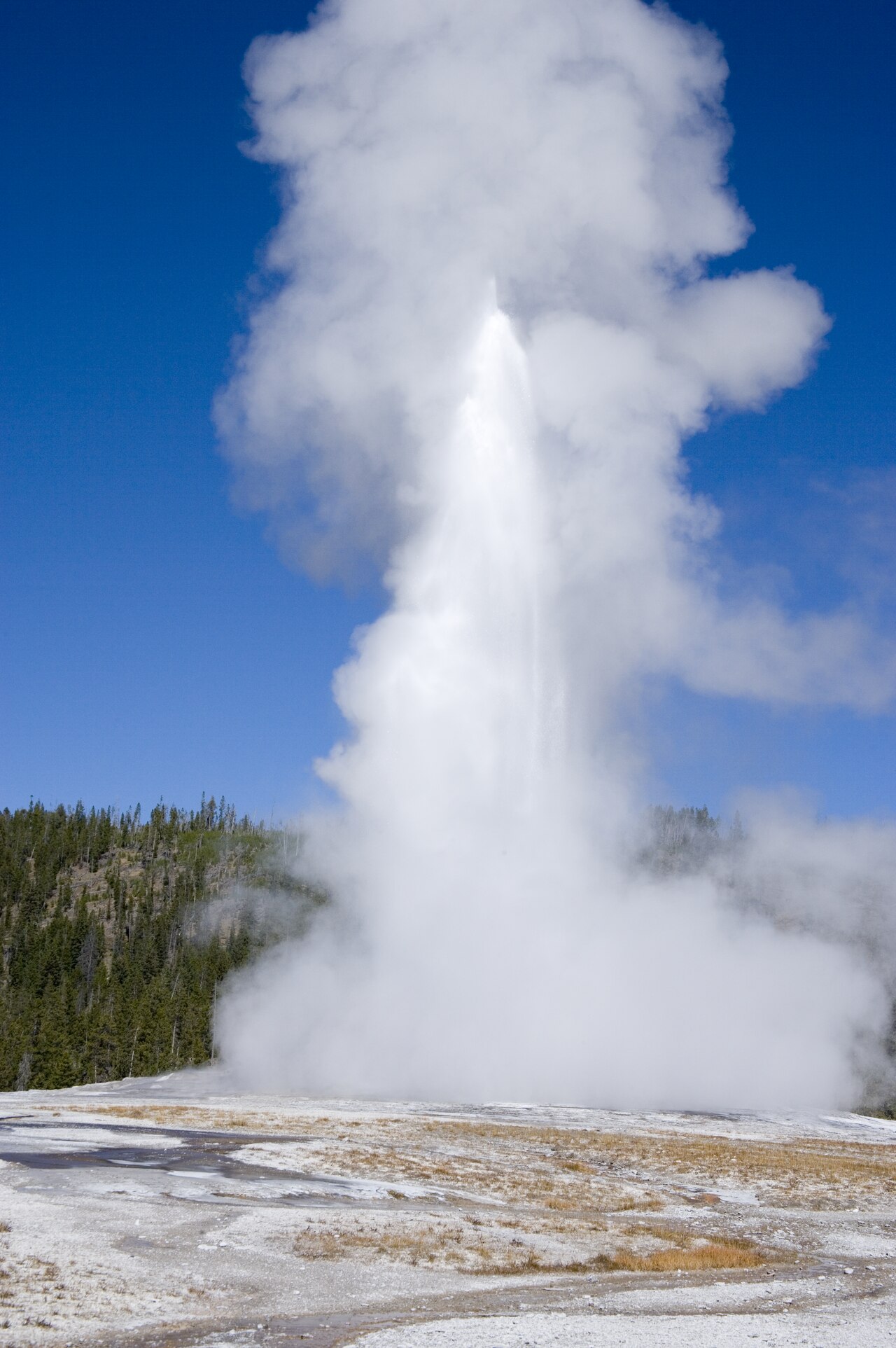
Here's the honest part of the planning conversation: Yellowstone rewards people who stay long and book early. The Grand Loop Road alone covers 142 miles, and driving it without stops takes a full day. Four to five days is a realistic minimum — a week is better, and we've never once heard someone say they wished they'd stayed less. Book lodging inside the park well in advance. The Old Faithful Inn, built in 1903–04 and the largest log building in the world, is worth reserving just for the atmosphere — it's a splurge that earns it. Roosevelt Lodge and the park's campgrounds are strong alternatives; gateway towns like West Yellowstone, Gardiner, and Cooke City offer more availability and solid dining. Summer brings the best weather and longest days. September, if your schedule allows, is worth serious consideration: thinner crowds, golden aspens, and the sound of elk bugling at dusk. Whenever we go, Yellowstone delivers something genuinely hard to find — the natural world, full-scale and fully alive, and worth every dollar we spend to be there.