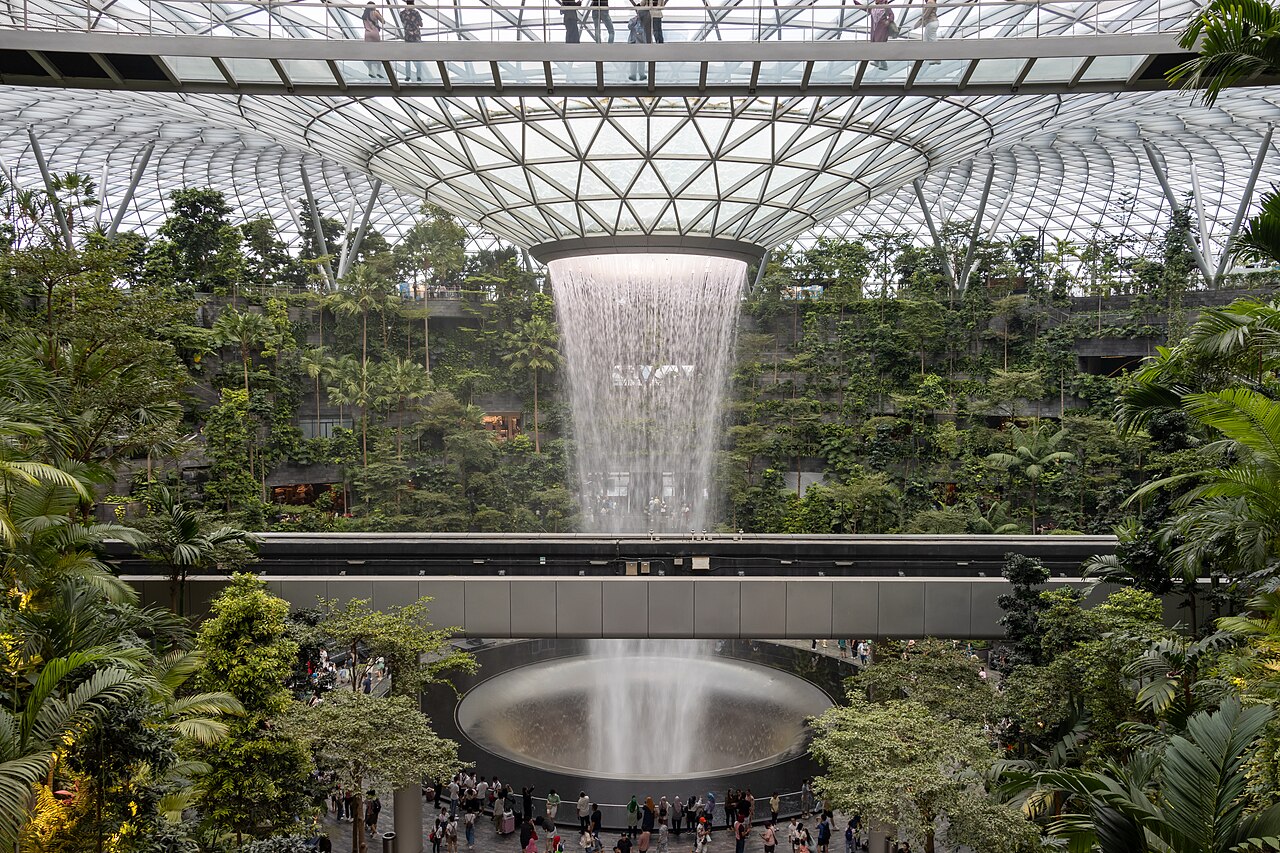
Singapore may be the most thoughtfully engineered destination on earth — and we mean that as a genuine compliment. The Chinese, Malay, Indian, and European settlers who followed still shape every neighborhood, every dish, and every festival. If we're being direct about it, Singapore is the best first introduction to Asia most families will ever have.
Explore Singapore
Discover Singapore through photos that tell the story.
Find out how well you know Singapore.
The neighborhoods are where that history becomes tangible, and they're worth your full attention. Chinatown's shophouses glow with lanterns and incense smoke drifting from Sri Mariamman Temple — Singapore's oldest Hindu temple, built in 1827 by Indian immigrants who worshipped alongside Chinese merchants just streets away. Head north and Kampong Glam's whitewashed mosques and batik stalls tell the story of the Malay royalty who ruled before the British arrived. Little India buzzes with garland sellers and curry houses every day of the week, a vivid reminder that nearly a quarter of Singapore's colonial workforce came from the subcontinent to build roads and railways. Kids absorb all of this almost effortlessly — the color, the smell, the spectacle — without the language barriers or overwhelming crowds that can make other Asian cities feel like a lot of work.
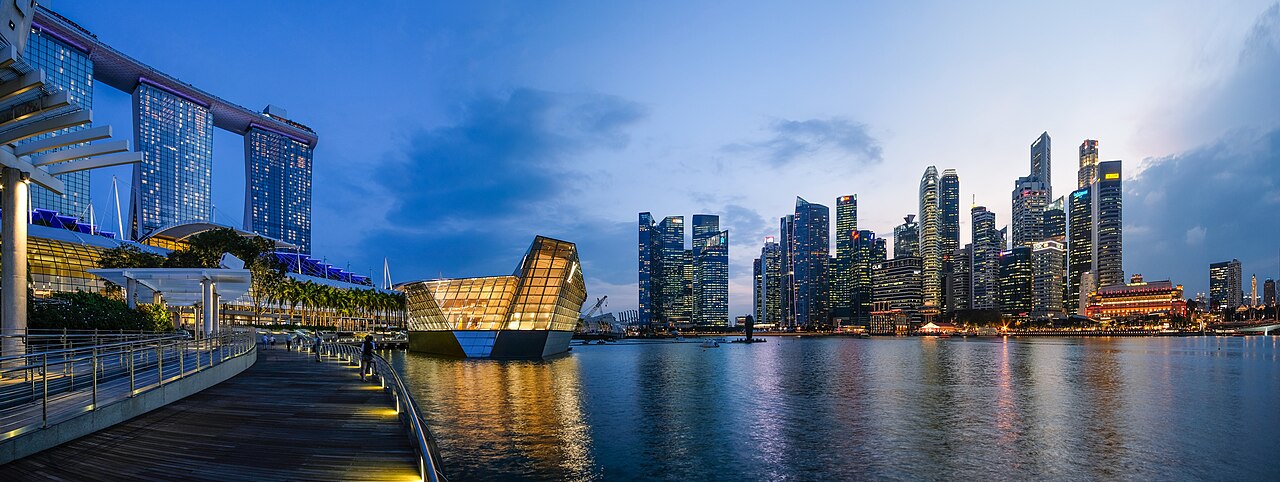
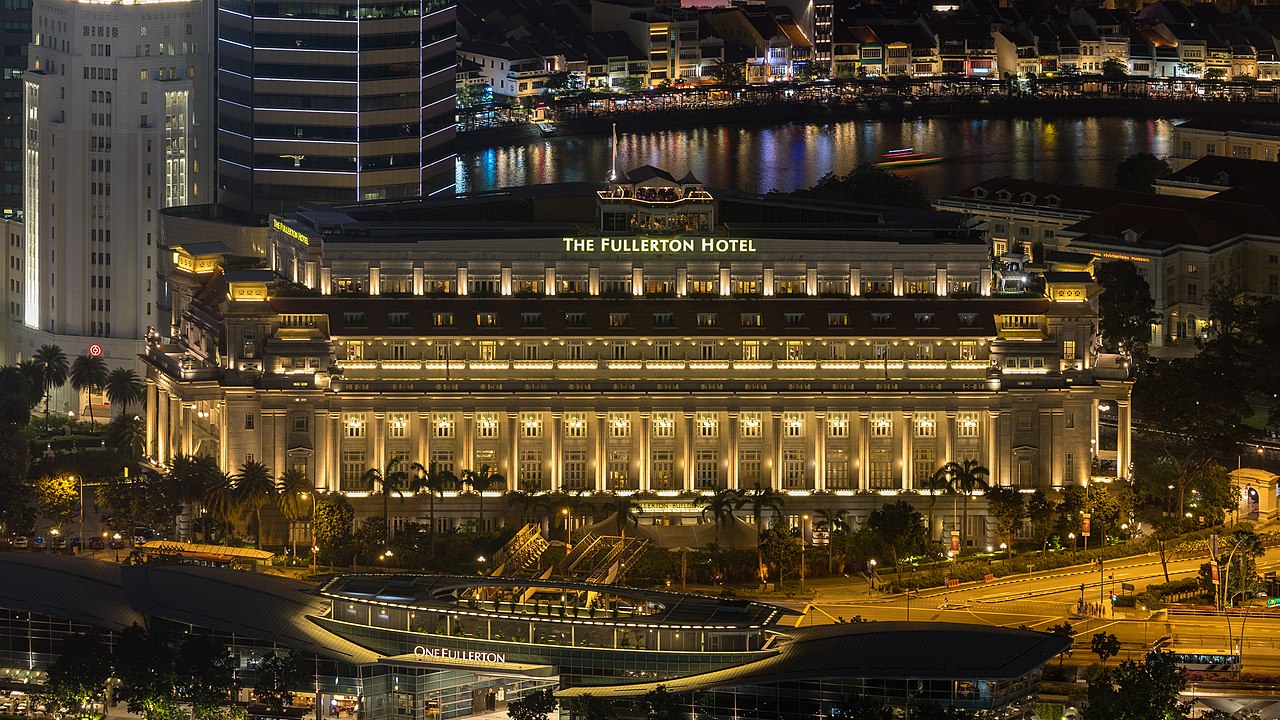
For families who want the fuller historical picture, the Civic District rewards a morning. Victorian buildings line the Singapore River just as they did when trading vessels crammed the waterway with rubber and tin, and the National Museum of Singapore — housed in an 1887 neoclassical building with a beautiful glass dome — traces the island's arc from ancient Malay kingdom through Japanese Occupation to independence. The galleries are genuinely engaging, not just for adults. Fort Canning Hill is worth the honest caveat: the underground Battle Box bunker, which recreates the tense hours of February 1942 when General Percival surrendered to Japan, is powerful but sobering — a reminder that Singapore's gleaming modernity is built on a complicated past. That said, the hill is also where archaeologists found 14th-century artifacts proving Singapore mattered long before the British told us it did, which is the more satisfying story.
What makes Singapore genuinely special for families is how seamlessly it removes friction. English is spoken everywhere. The MRT subway is spotless and stroller-friendly. Food safety standards are among the strictest in the world, which means we can hand our kids char kway teow or laksa from a hawker center stall without a second thought. And those hawker centers — UNESCO-recognized cultural institutions, open-air food halls with dozens of family-run stalls — are extraordinary value. Maxwell Food Centre, a short walk from Chinatown, is the classic starting point: claim a number at the famous Tian Tian Hainanese Chicken Rice stall, find a shared table, and eat shoulder to shoulder with locals under slowly spinning fans. It'll cost a fraction of what dinner runs almost anywhere else in the city, and it's honestly better.
The bigger experiences live up to their reputations. Singapore Zoo is consistently ranked among the world's finest — its open, moated enclosures replaced bars with natural boundaries decades before that became standard anywhere else — and the Night Safari next door may be even more memorable: a tram ride through naturalistic habitats where leopards and tapirs move freely in the darkness just meters away. Gardens by the Bay offers 18 towering Supertrees that rise up to 16 stories and put on a nightly music-and-light show that earns every bit of the awe it produces. None of this is cheap, and we'd say that's actually the point. Singapore rewards families who commit to it fully — the zoo, the Night Safari, the Cloud Forest conservatory — rather than trying to do everything on a budget. Spend well here, and it delivers. That's the promise, and in our experience, Singapore keeps it.