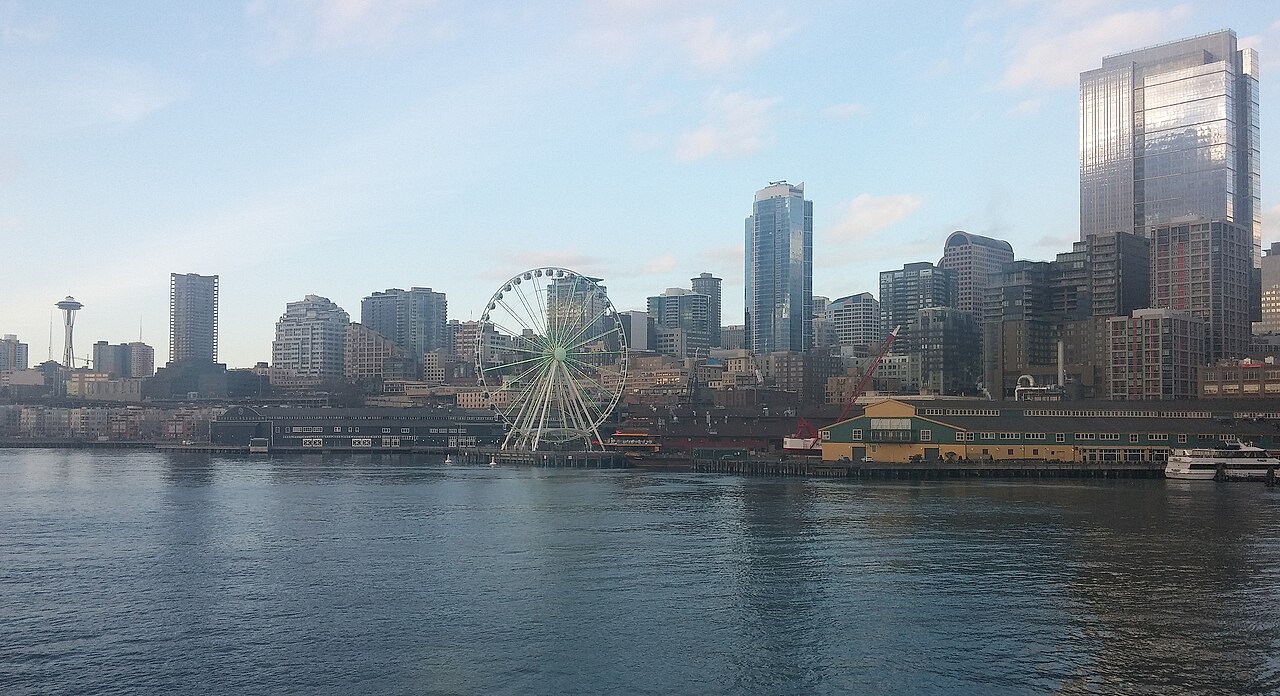
Seattle's reputation is rain and coffee. Both are real. But what they don't picture is Pike Place Market, where fishmongers hurl enormous salmon through the air to cheering crowds, or the Space Needle's glass-floor observation deck 520 feet up with Mount Rainier gleaming in the distance. Seattle has earned its reputation as a rainy city, but it's built something far more interesting underneath those clouds: one of the most genuinely rewarding family destinations in the country. If we're making the case for Seattle, this is it.
Explore Seattle
Discover Seattle through photos that tell the story.
Find out how well you know Seattle.
We'd start any Seattle trip at Seattle Center. The Space Needle's recently renovated observation deck now features floor-to-ceiling glass walls and a rotating glass floor — it's thrilling at 520 feet, and the views of Puget Sound and the surrounding mountains are worth every penny. At its base, the Museum of Pop Culture is one of those rare museums where teenagers actually want to stay longer. Designed by Frank Gehry in a building that looks like a smashed guitar, it covers music, science fiction, and video games with hands-on exhibits. Kids can play instruments in the Sound Lab, explore Marvel movie costumes, and step into full science fiction worlds. Right next door, the Pacific Science Center adds a tropical butterfly house, laser light shows, and a planetarium — that's essentially a full day, and a deeply good one.
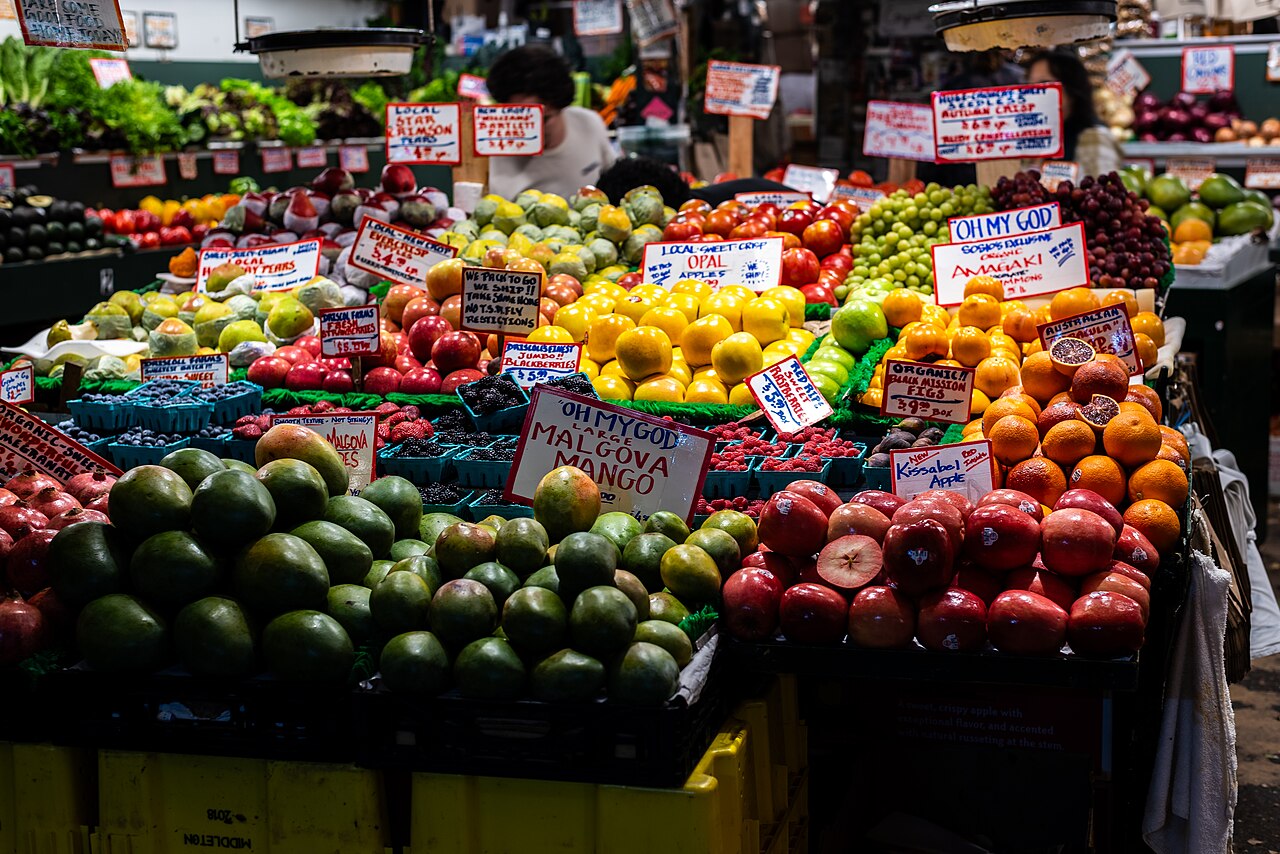
Pike Place Market isn't just a tourist stop we check off — it's the beating heart of Seattle, and it deserves real time. The fish-throwing at Pike Place Fish Co. never gets old. The maze of lower levels beneath the main market hides magic shops, a comic book haven, and quirky corners that kids genuinely love to explore. The produce stalls overflow with fresh Pacific Northwest cherries and berries. Parents get their Starbucks pilgrimage at the original location. The Seattle Great Wheel on the nearby waterfront adds a gentle Ferris wheel ride with views across Elliott Bay. This area is sensory and lively and worth at least half a day.
Seattle connects families with nature in ways that feel effortless. A ferry ride across Puget Sound to Bainbridge Island takes just 35 minutes each way, and from the deck we can spot seals, eagles, and occasionally orcas — that alone makes it worth doing. The Woodland Park Zoo is one of the top-rated in the country, with immersive exhibits including a tropical rain forest, an African savanna, and a Northern Trail where brown bears fish. The Chihuly Garden and Glass museum, adjacent to the Space Needle, surrounds visitors with Dale Chihuly's blown glass sculptures across indoor galleries and a stunning outdoor garden — the colors and scale genuinely stop people in their tracks. For families who want to be active, kayaking on Lake Union past houseboats and hiking through Discovery Park to a lighthouse overlooking Puget Sound are both memorable Pacific Northwest experiences. One honest note: Seattle's outdoor appeal is weather-dependent. On overcast days, lean into the indoor attractions first.
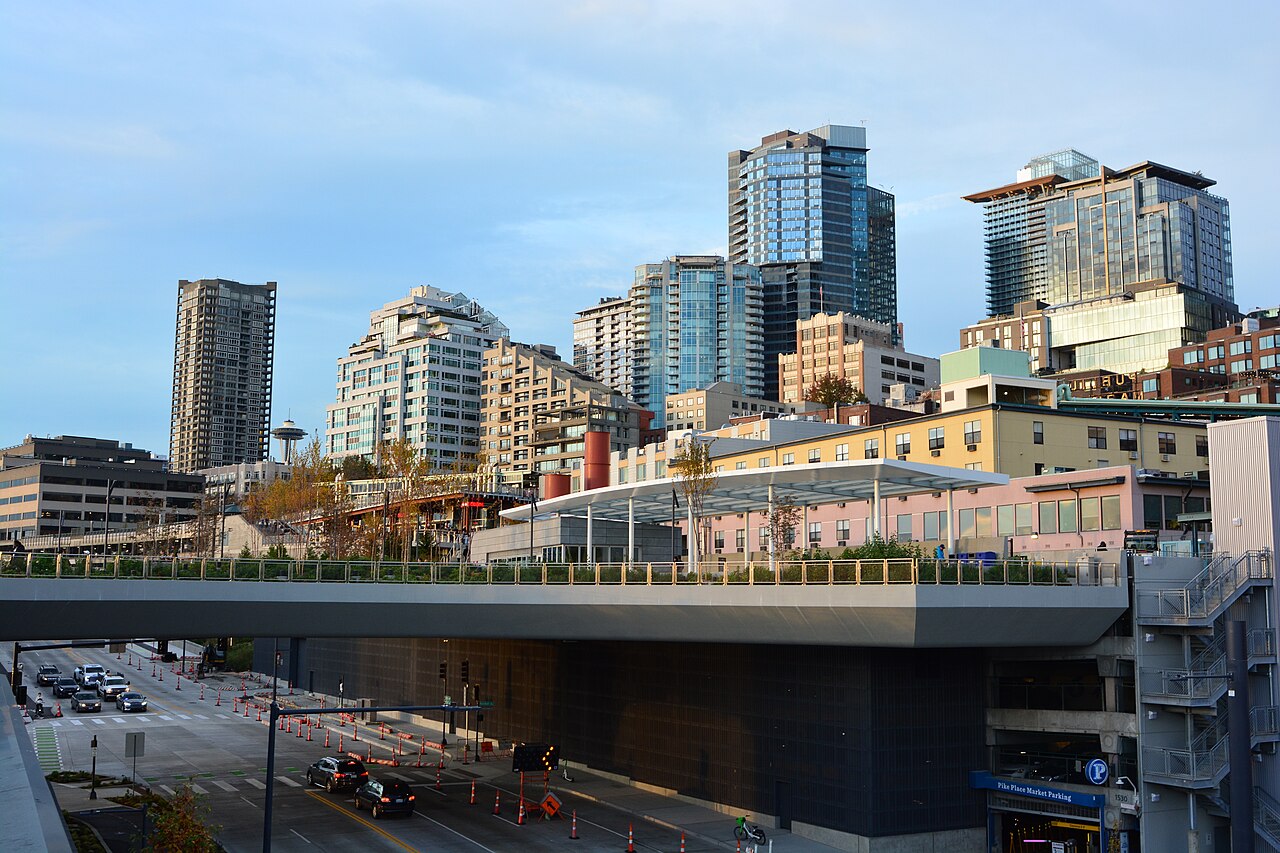
The practical case for Seattle trips is strong. July through September are the driest and warmest months, with temperatures in the mid-seventies and the city fully alive with outdoor festivals — that's the ideal window. But even in the rainy months, Seattle's precipitation is typically a light mist rather than heavy downpours, and locals simply layer up and carry on. Getting around is manageable: the Link Light Rail connects the airport to downtown and Capitol Hill, and the monorail runs directly from downtown to Seattle Center. Staying downtown or near Pike Place Market gives the most walkable base. Three to four days covers the major family draws well. And if we're adding one more day, we'd spend it at Mount Rainier National Park, about two hours south — the kind of awe-inspiring nature experience children remember long after the trip ends.