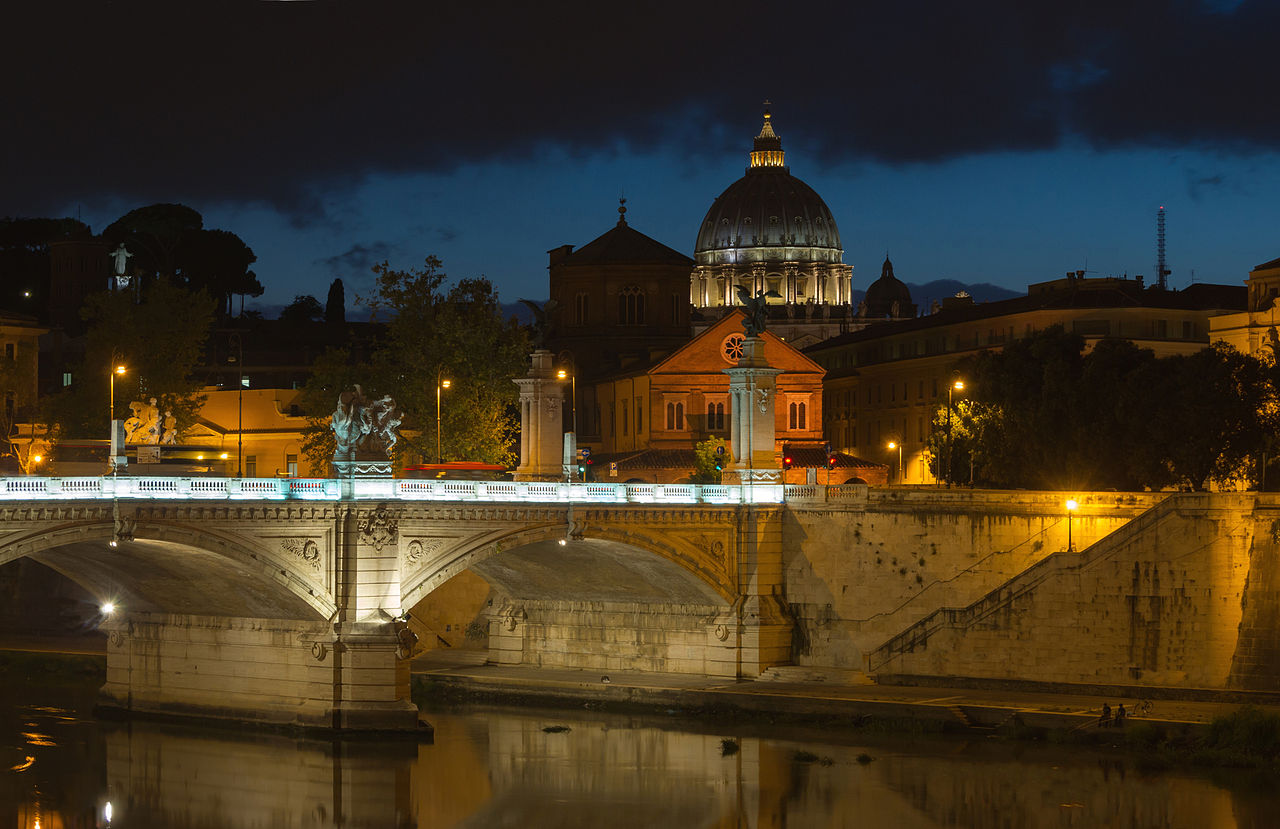
Inside the Colosseum, your child goes completely quiet. Not bored quiet. Awe quiet. That moment alone is worth the price of the trip. Rome doesn't just teach kids that history happened; it makes them feel it. The ancient ruins are open, touchable, and staggering in scale. Add gelato around every corner, pizza that'll ruin every pizza you eat back home, and fountains practically designed for coin-tossing, and we're talking about one of the most rewarding family investments you can make in Europe.
Explore Rome
Discover Rome through photos that tell the story.
Find out how well you know Rome.
We'd anchor the first full day at the Colosseum, the Roman Forum, and Palatine Hill — all covered by a single combined ticket valid for two days, which is genuinely good value for what you get. Audio guides and kid-focused tours turn the Colosseum from impressive to unforgettable. The stories do the work: gladiatorial combat, naval battles staged by flooding the arena floor, 50,000 spectators packed into the stands. The Forum stretching below the Palatine Hill was the heartbeat of Roman public life for centuries, and walking those stone paths past temple ruins, triumphal arches, and senate remnants gives children a sense of scale that no photograph conveys. Climb up to Palatine Hill for shaded paths and sweeping views. It's a full day, and it earns every minute.
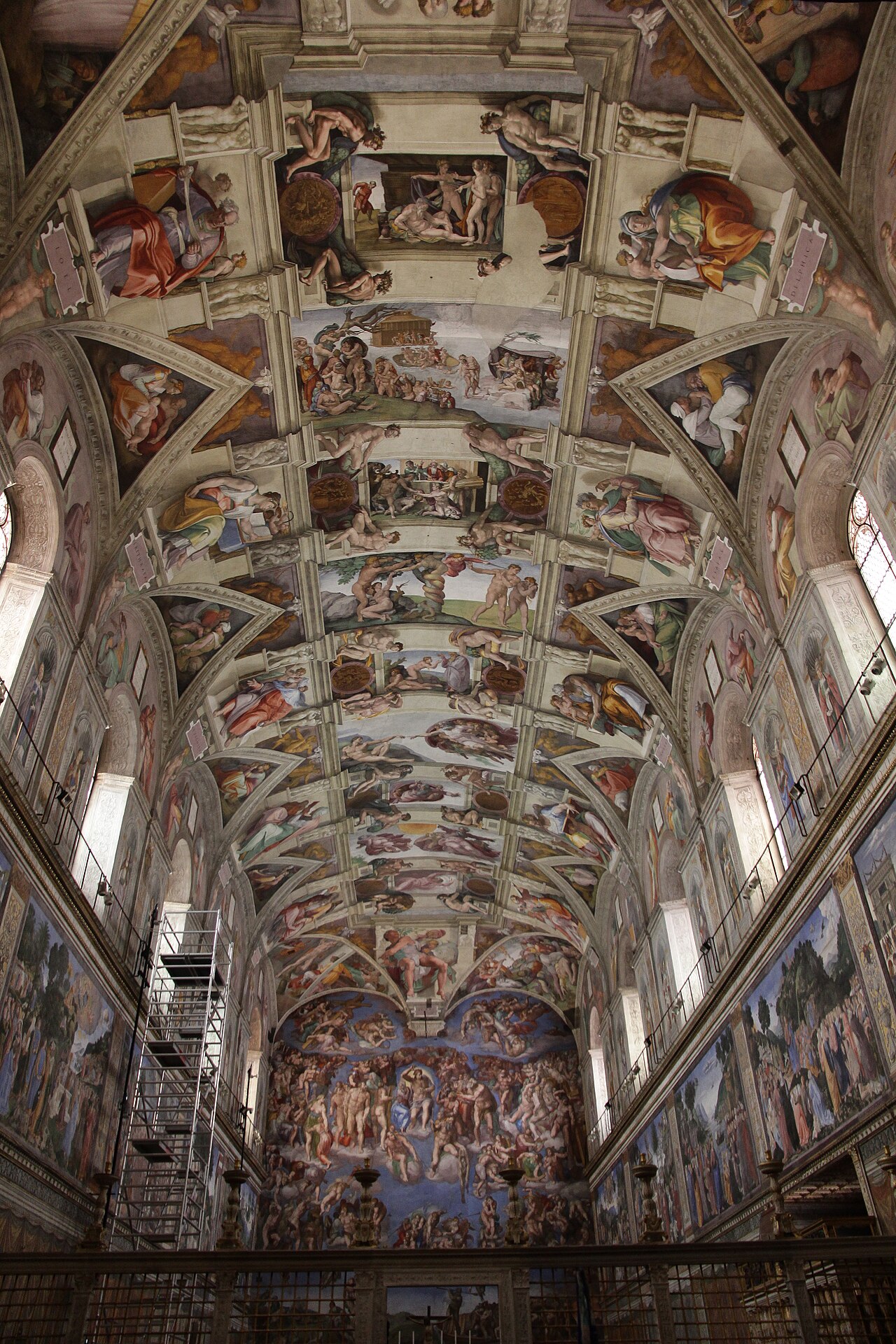
The Vatican is non-negotiable, but it requires a strategy. Book timed-entry tickets in advance — we can't stress this enough — because the lines without them are genuinely punishing. Arrive early and focus on the highlights: the Gallery of Maps with its extraordinary painted ceiling, and the Sistine Chapel, where kids crane their necks to find Michelangelo's famous scene of God reaching toward Adam. St. Peter's Basilica is free to enter, and its sheer enormity stuns even children who've seen plenty of churches. If energy allows, the 551-step climb to the top of the dome rewards everyone with a panoramic view of Rome that stretches to the distant hills. It's a lot to take in — and that's exactly the point.
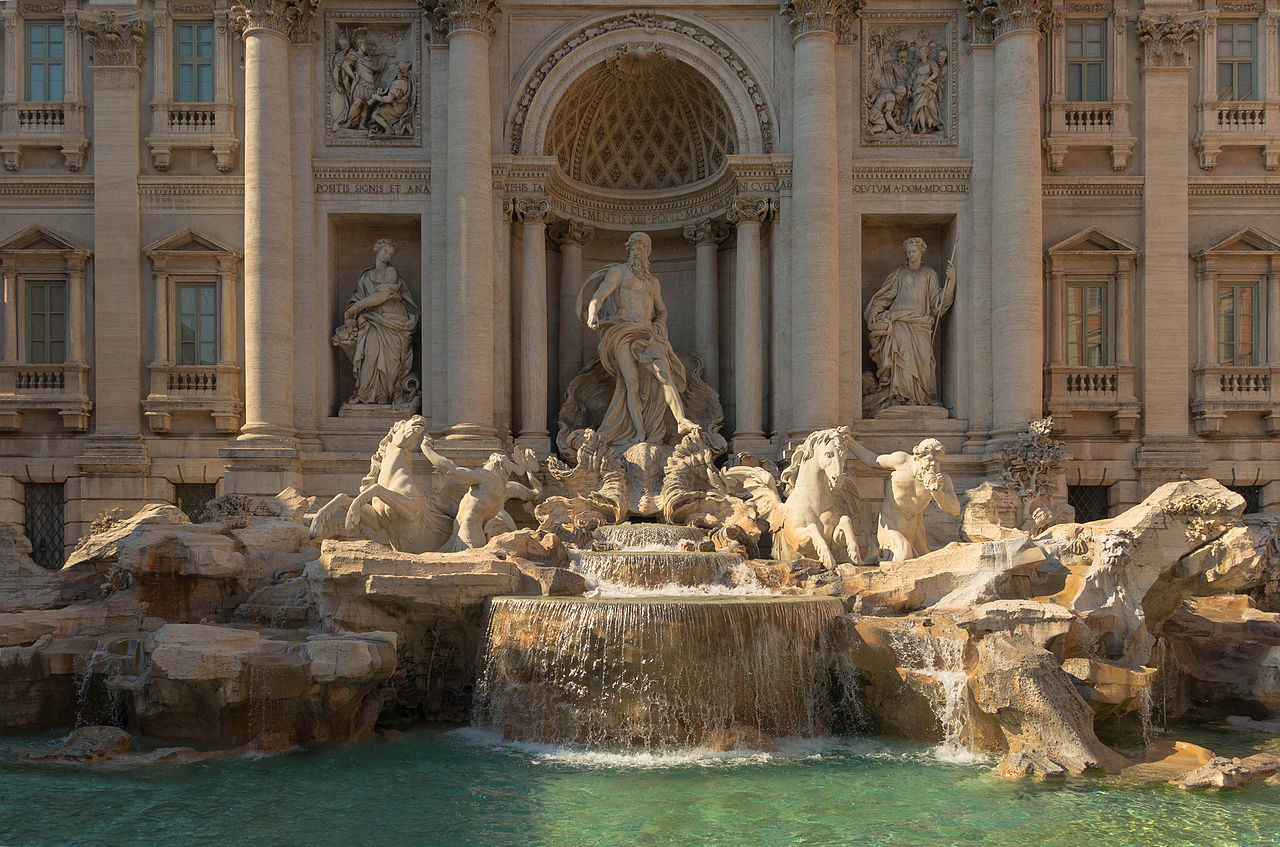
Beyond the monuments, Rome's neighborhoods deserve real time. A few worth building into the plan: Trastevere, across the Tiber, is a charming tangle of cobblestone streets lined with trattorias, street art, and artisan shops where kids can watch craftspeople at work. The Borghese Gallery houses masterpieces by Bernini and Caravaggio in a villa surrounded by gardens where families can rent bikes, rowboats, or a Segway. The Trevi Fountain is mandatory — the coin-tossing ritual is one of those small family memories that sticks. Piazza Navona, with its three fountains and parade of street performers, is Rome's outdoor living room; sit with a gelato and let the city come to you. And the Pantheon, with its open oculus still letting in rain and sunlight after 2,000 years, never fails to astonish.
One honest caveat: Rome in July and August is genuinely hard. The heat and crowds together can turn a dream trip into an endurance test, especially with young kids. April through June or September through October are the right windows — comfortable temperatures, manageable lines, and restaurants in their best form. Speaking of restaurants, Romans treat lunch as the main event, and midday between noon and 2 PM is when families are most welcome. Teach the kids to spot a real artisan gelateria — look for gelato stored in metal containers with lids, not mounded in bright-colored peaks — versus a tourist trap. It becomes a genuinely fun game. Rome rewards families who wander without a rigid plan. Around every corner there's a fountain, a ruin, a cat colony, or a perfect slice of pizza al taglio waiting to be discovered.