The Riviera Maya throws a lot at you before you even book a flight: eco-parks, ruins, cenotes, all-inclusive resorts, and 80 miles of coastline to sort through. This stretch of Mexico's Caribbean coast, running from just south of Cancun down to the walled city of Tulum, is one of those rare places that delivers everything it promises. The water really is that turquoise. The sand really is that white. And the temperature rarely dips below 75 degrees, which means we're not packing jackets.
Explore Riviera Maya
Discover Riviera Maya through photos that tell the story.
Find out how well you know Riviera Maya.
Xcaret and Xel-Ha are the two flagship eco-parks, and they're worth every peso of admission. Here's what we love about them: the entry price covers food and drinks, which makes the day beautifully simple for families. Xcaret gives you an underground river swim through illuminated caverns, a butterfly pavilion, a coral reef aquarium, a jaguar island, and an evening cultural show featuring traditional Mexican music and dance that's genuinely moving. Xel-Ha is built around a massive natural inlet where fresh and salt water meet — kids can float down a lazy river through the jungle, jump from cliff platforms into the lagoon, or zipline over the water. One honest caveat here: both parks are full-day commitments. Plan accordingly and don't try to do both in the same 24 hours.
The cenotes are where the Riviera Maya becomes truly one-of-a-kind. These natural sinkholes — formed when limestone bedrock collapses to reveal underground rivers — were sacred to the ancient Maya, and standing at the edge of one, it's not hard to understand why. Cenote Ik Kil near Chichen Itza has vines hanging down from a circular opening above the water, like swimming inside a cathedral. Cenote Dos Ojos near Tulum has crystal-clear water perfect for snorkeling, where kids can see every fish and rock formation below them. Most cenotes offer life jackets and have shallow areas accessible to younger children, which means this experience works for families with a wide range of ages — not just the adventurous set.
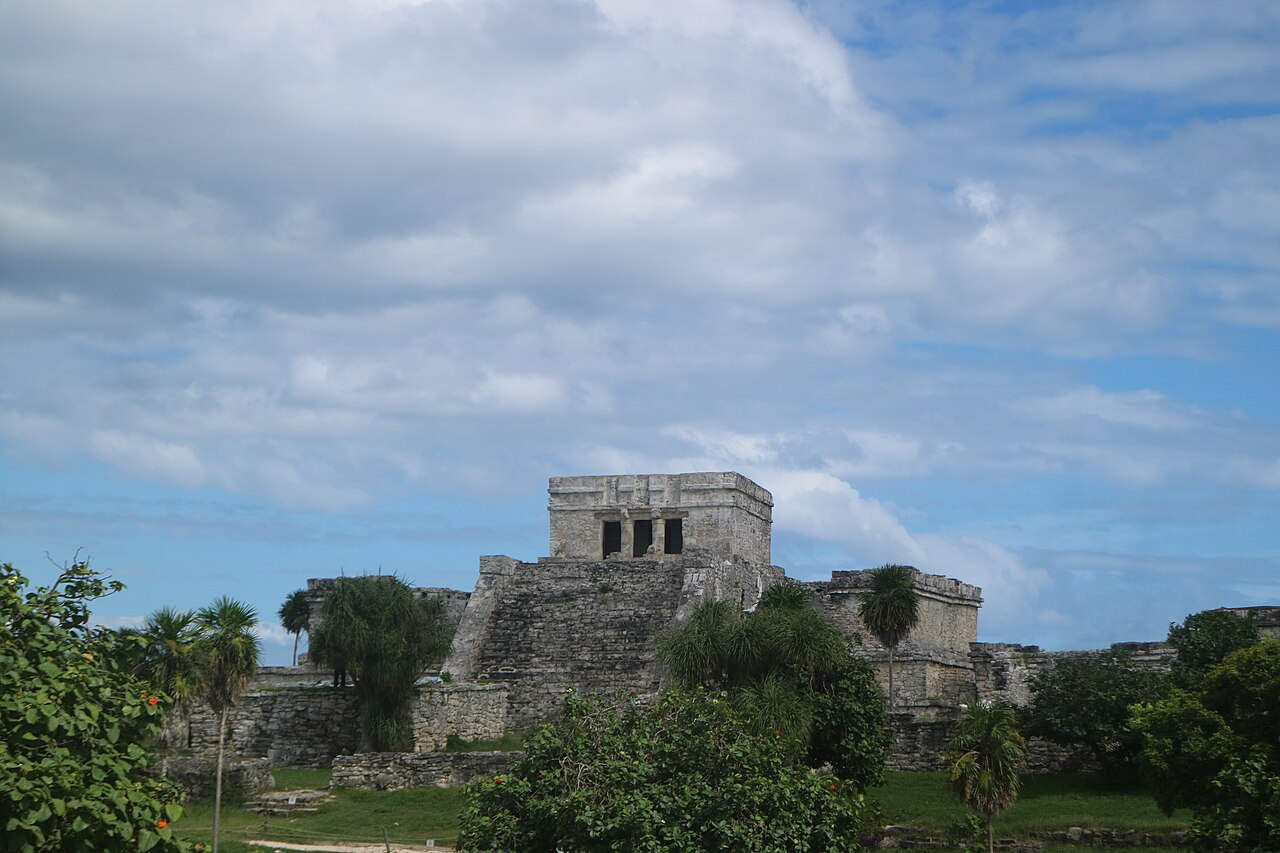
No trip here is complete without the Maya ruins, and we have a clear recommendation on where to spend your time. Tulum wins on atmosphere: it sits on a dramatic cliff above the Caribbean, it's compact enough for small children, and the views are extraordinary. Coba, deeper in the jungle, still allows visitors to climb the Nohoch Mul pyramid — at 138 feet, one of the tallest on the Yucatan Peninsula — and the panorama of unbroken jungle canopy from the top is breathtaking. Chichen Itza, a New Seven Wonder of the World, is a two-hour drive but a worthy day trip. The El Castillo pyramid is massive and impressive, and the acoustics in the plaza produce a chirping echo when you clap — a detail that makes the ancient world feel surprisingly immediate, especially for kids.
![500px provided description: Flamingos at Xcaret Park in the Riviera Maya, Quintana Roo, Mexico []](/pics/riviera-maya/500px-provided-description-flamingos-at-xcaret.jpg)
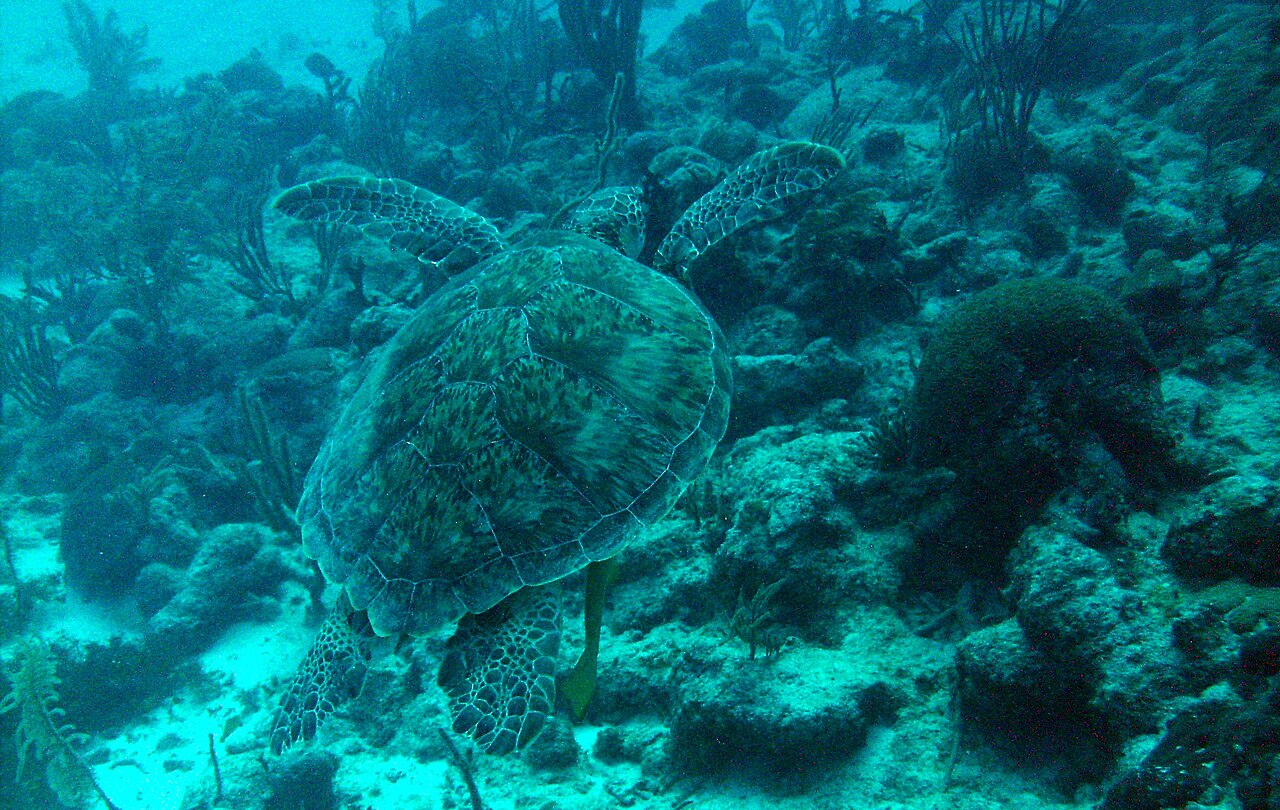
For a home base, Playa del Carmen is our pick. The pedestrian Fifth Avenue has shops, restaurants, and street performers, and the beach is a short walk from the town center. All-inclusive resorts line the coast with kids' clubs, waterslides, and shallow toddler pools — there are options across a range of budgets, and the value at the higher end is genuinely strong. Getting around is easy by rental car or organized tours, and colectivo vans run cheap transportation between towns along the highway. The best time to visit is November through April, when rain is minimal and heat is pleasant rather than punishing. And before you leave the area, make sure we get to Akumal Beach. The shallow bay hosts a resident population of wild green sea turtles feeding on sea grass — snorkeling with them in calm, clear water is the kind of memory children carry with them for decades.