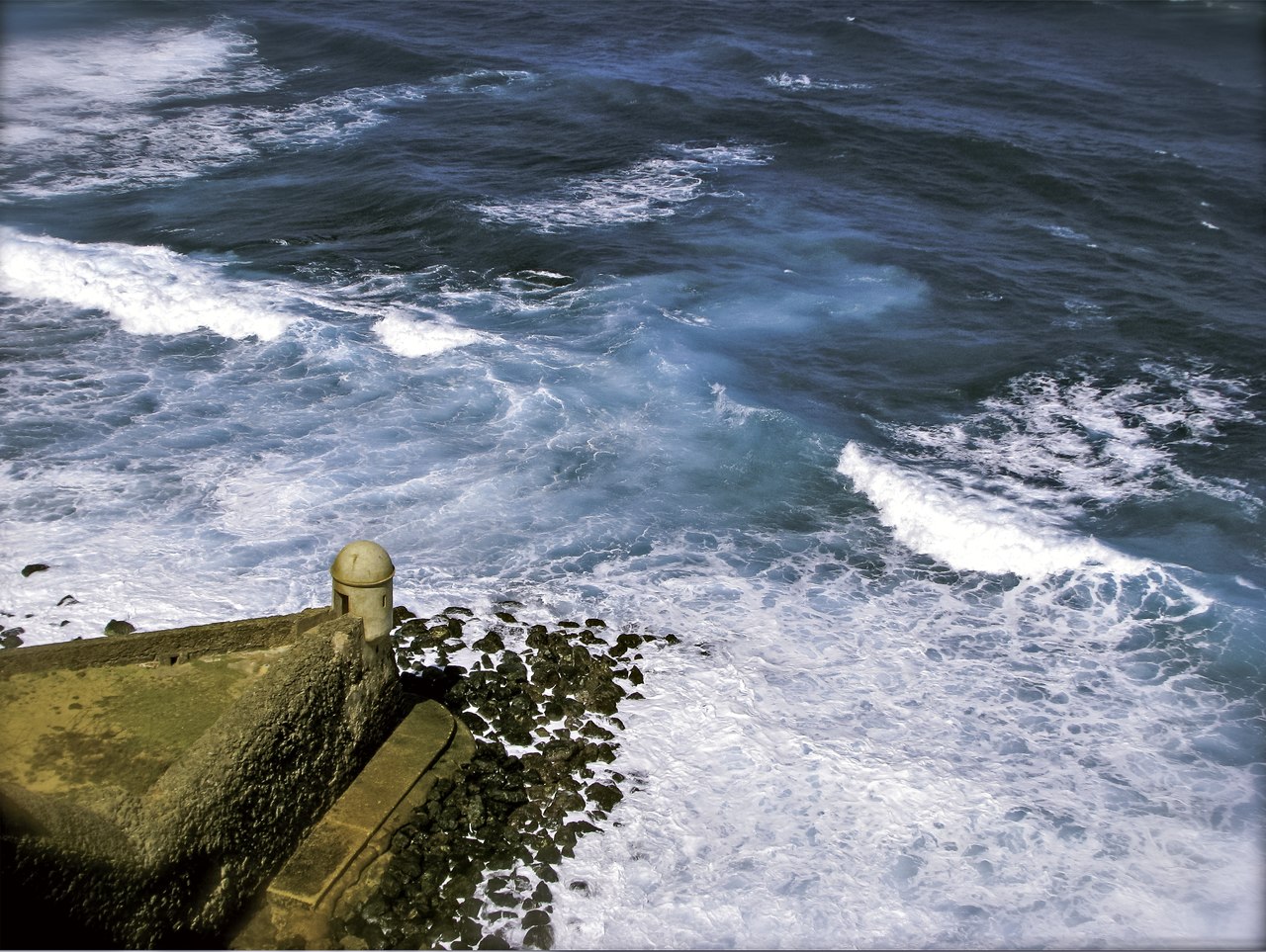
There's a version of a Caribbean vacation that doesn't require surrendering a passport at the gate, and we'd argue it might be the best one available. Puerto Rico sits at a crossroads that few destinations can match: five centuries of layered history, genuinely world-class beaches, a food scene worth building an itinerary around, and the practical reality that it's fully accessible to American travelers without any of the usual international friction. No currency exchange, no roaming charges, no customs line. Christopher Columbus claimed the island in 1493, and Spanish settlement began in 1508 under Juan Ponce de León — meaning Old San Juan was already a thriving fortress city before most of the eastern seaboard was even a thought. When Puerto Rico passed to the United States after the 1898 Spanish-American War and residents became American citizens in 1917, it set up one of the more compelling value propositions in modern travel: a Caribbean island unlike anywhere else, reachable with nothing more than a driver's license.
Explore Puerto Rico
Discover Puerto Rico through photos that tell the story.
Find out how well you know Puerto Rico.
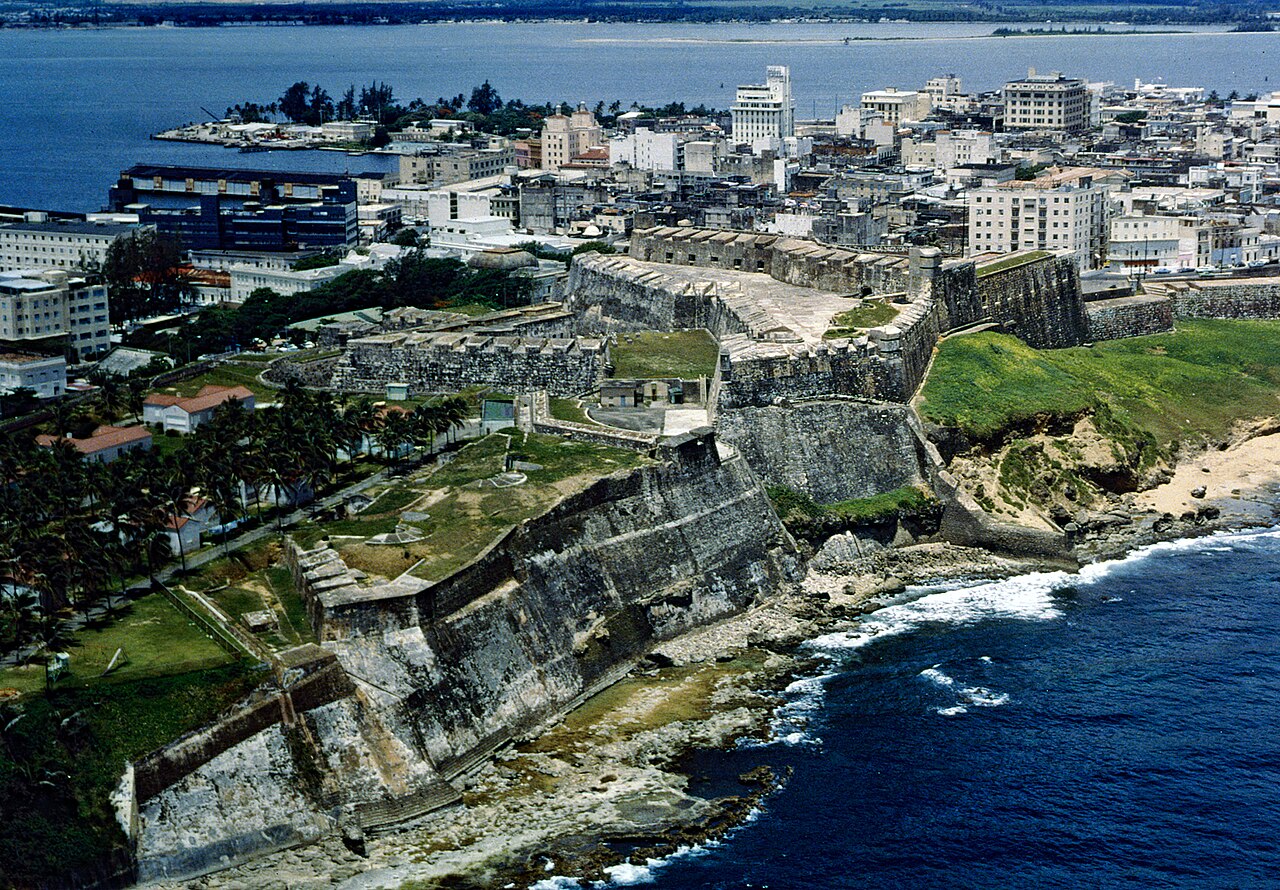
Old San Juan earns its reputation, and we don't say that casually. This 500-year-old walled city sits on a small islet connected to the main island by bridges, and every detail rewards a slower pace. Those iconic cobblestones — called adoquines — weren't chosen for charm; they're cast from iron-rich slag brought over as ballast in Spanish ships, and they glow a faint blue-gray in morning light. Two UNESCO World Heritage Sites anchor the old city. Castillo San Felipe del Morro, built beginning in 1539, rises six stories above the Atlantic at the island's northwestern tip — formidable enough to repel Sir Francis Drake in 1595 and the English Earl of Cumberland in 1598. A short walk along the city walls leads to Castillo San Cristóbal, whose layered system of moats, tunnels, and guardhouses makes it feel more like an architectural puzzle than a ruin. Between them, the streets of Old San Juan unspool in a grid worth getting wonderfully lost in: pastel-painted colonial townhouses, wrought-iron balconies draped in bougainvillea, and Catholic churches celebrating Mass in the same buildings since the 1500s.
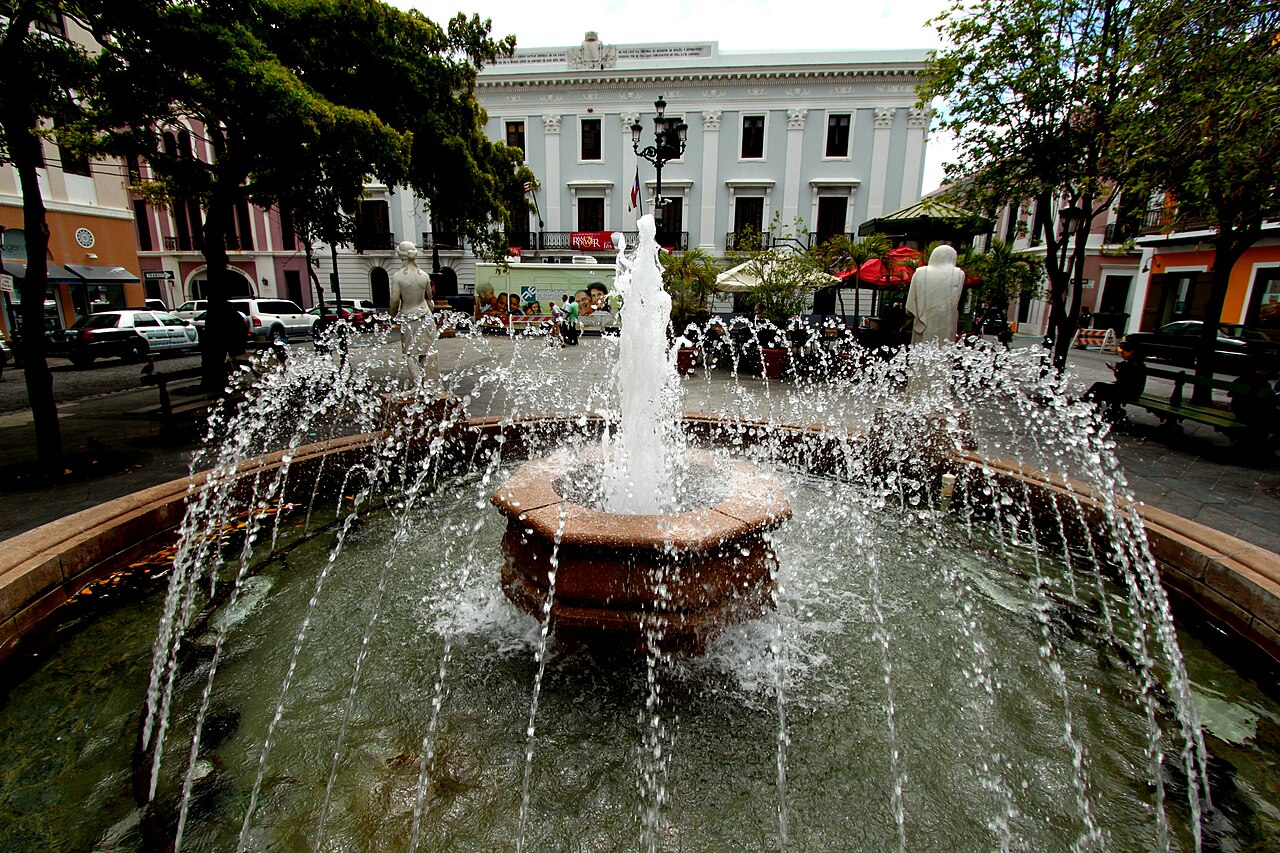
Puerto Rico's cultural identity is one of the richer stories in the Caribbean, and it shows up everywhere once we know to look. The island's character is a genuine synthesis — Taíno indigenous heritage, Spanish colonial tradition, and African influences carried over by enslaved people who worked the sugar and coffee plantations across the fertile interior. That fusion lives in the bomba and plena rhythms that trace back to West African villages; in the sofrito, plantains, and mofongo that define the cuisine; in four centuries of visual art on display at the Museo de Arte de Puerto Rico in Santurce. If the timing works, the Fiestas de la Calle San Sebastián in January is worth planning around — a four-day street festival of masks, live music, and artisan crafts that draws hundreds of thousands to the old city's narrow streets and immerses us in what Puerto Rican culture looks like at full volume.
Beyond the city walls, the island rewards exploration with a geography that surprises most first-time visitors. A few things worth knowing before we go: El Yunque National Forest in the island's northeast is the only tropical rainforest in the entire US national forest system — coquí tree frogs calling through the mist, waterfalls cascading into natural pools, a lushness that feels genuinely otherworldly. La Parguera on the southern coast shelters a phosphorescent bay where bioluminescent dinoflagellates turn the water electric blue on moonless nights; booking a kayak tour here is one of those experiences that's difficult to fully explain afterward. The offshore islands of Culebra and Vieques offer some of the finest beaches in the entire Caribbean — Flamenco Beach on Culebra, a crescent of powdery white sand backed by sea-grape trees and calm turquoise shallows, earns every best-beach list it appears on. Underwater, coral reefs, sea turtles, and the wrecks of ships that met their ends in these storied waters make for compelling diving in the Atlantic basin.
One honest note before we start booking: Puerto Rico isn't a budget destination if we want to do it properly, and we wouldn't want to undersell that. The best boutique hotels in Old San Juan — converted colonial buildings with rooftop terraces and genuine character — command premium prices, and the beach resorts along the Condado strip can match any comparable Caribbean property. Plan to spend well, particularly on the food: the street carts, the sit-down restaurants, the roadside lechoneras in the mountain towns — the eating alone justifies the trip. The practical advantages for American travelers are real and worth appreciating, but they come with the full cost of a first-rate Caribbean experience. Plan for it, lean into it, and don't skip the things worth splurging on. Walking the ramparts of El Morro at sunset, watching the lighthouse sweep its beam across the darkening Atlantic, we're looking at five centuries of Caribbean history from a vantage point that's entirely, uniquely Puerto Rican. Few places we can reach without a passport feel this far from ordinary.