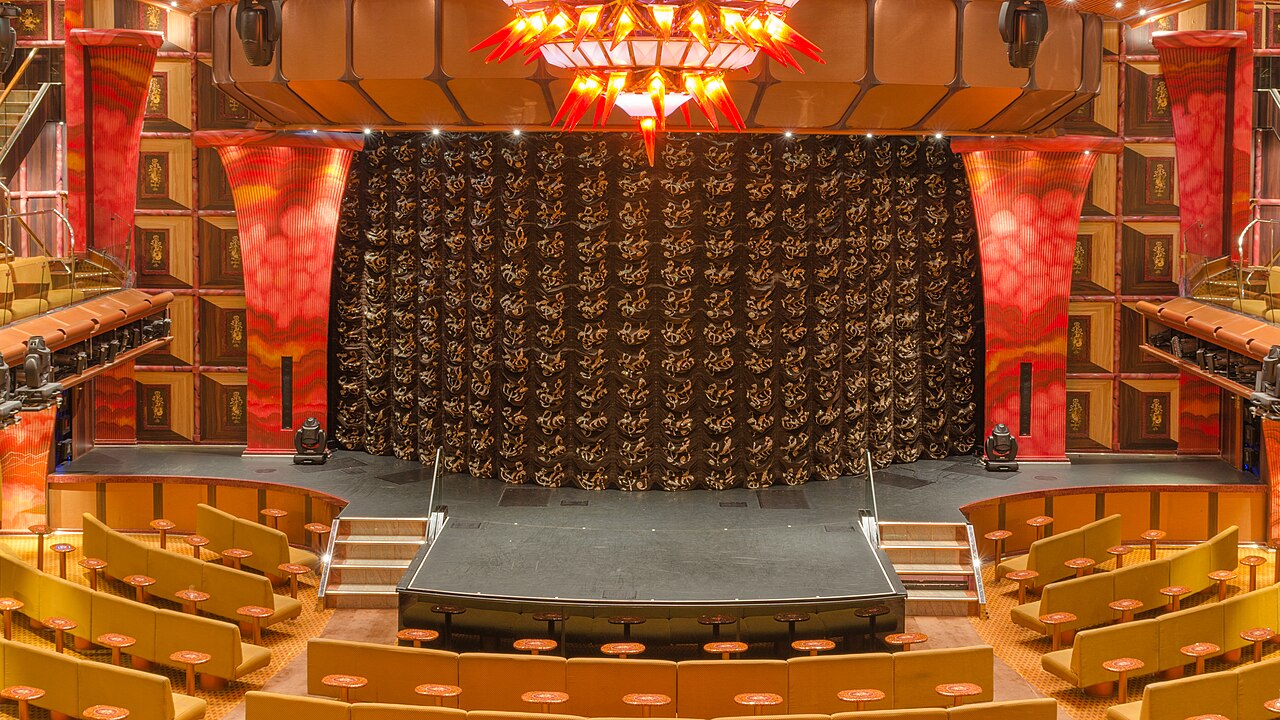
You unpack once and wake up somewhere new every morning — that's the deal — and it comes with a waterslide. The major lines — Royal Caribbean, Disney Cruise Line, Carnival, Norwegian, and MSC — have built their ships from the start with families in mind. Royal Caribbean's Oasis-class ships are almost absurd in the best way: multi-story waterslide complexes, surf simulators, zip lines, rock climbing walls, ice skating rinks, and entire entertainment neighborhoods. Disney wraps the experience in beloved characters, Broadway-caliber musicals, and themed dining rotations where Rapunzel or Olaf might stop by your table. And the core value proposition is genuinely strong: meals, entertainment, pools, kids' clubs, and your stateroom are all bundled into one upfront price.
Explore Family Cruise
Discover Family Cruise through photos that tell the story.
Find out how well you know Family Cruise.
The kids' clubs alone are worth the booking. Royal Caribbean's Adventure Ocean divides children by age group — Aquanauts (3–5), Explorers (6–8), Voyagers (9–11), and teens (12–17) — with programming that runs from science experiments to scavenger hunts to dance parties. Disney's Oceaneer Club and Oceaneer Lab immerse kids in Pixar, Marvel, and Star Wars-themed spaces with counselor-led activities from morning until late evening, all at no extra charge. Carnival's Camp Ocean brings marine-biology themes for younger kids, while Club O2 gives teenagers their own lounge. Most lines also offer nursery care for infants and toddlers at a small hourly fee, so even parents of very young children can enjoy a quiet dinner alone. Here's what we hear from families consistently: the kids beg to go to the kids' club, and parents get real downtime. That combination is nearly impossible to replicate on land.
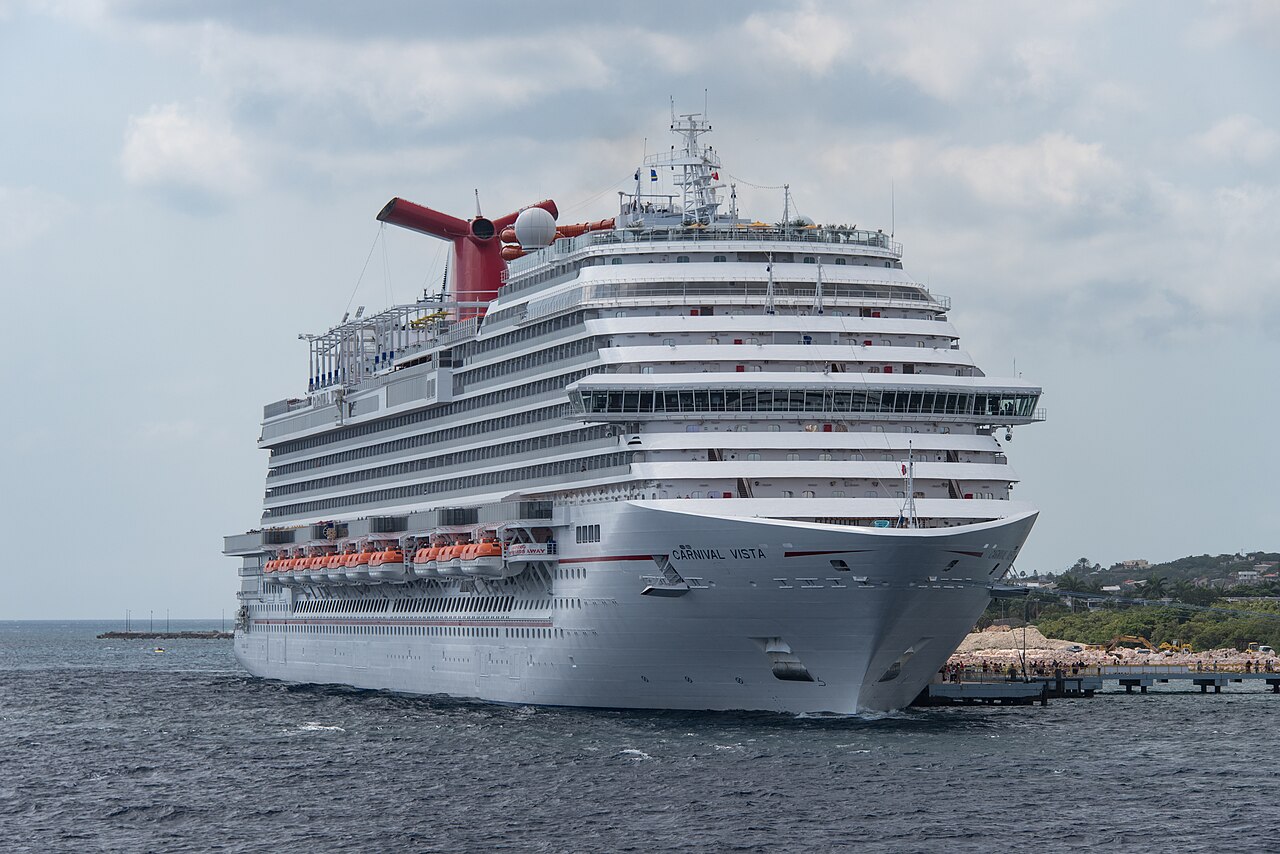
Choosing your itinerary is where the fun begins. Caribbean sailings — the most popular family option — depart from Miami, Fort Lauderdale, and Galveston and arrive at sun-drenched islands with crystal-clear snorkeling, white sand beaches, and swim-with-dolphin excursions. Several lines own private islands — Royal Caribbean's Perfect Day at CocoCay, Disney's Castaway Cay, and MSC's Ocean Cay — that function as exclusive beach-day retreats with water parks, cabanas, and barbecue lunches included. If your family wants something more dramatic, Alaska cruises deliver: glaciers calving into the sea, humpback whales, bald eagles, and shore excursions like dog-sledding on a glacier or riding the historic White Pass Railroad. Mediterranean and European sailings let families visit multiple countries in a single week without the hassle of airports, trains, and hotel check-ins at every stop.
Here's the honest part about cost, because it matters. The sticker price of a cruise often looks like a bargain — and it genuinely can be — but add-ons accumulate: specialty dining, shore excursions, drink packages, Wi-Fi, and spa treatments are extra on most lines. The smart approach is to set a firm shipboard spending limit, book shore excursions independently in port cities when possible (local operators are often considerably less expensive than the ship's offerings), and take full advantage of the included food — the buffet on a modern cruise ship could feed a small army and then some. Disney Cruise Line is the most expensive option but consistently delivers for young children. Royal Caribbean and MSC offer the most ship-based activities, while Carnival and Norwegian tend to be the most affordable. Booking during wave season (January through March) and choosing shoulder-season sailings in September, October, or early December can save hundreds per cabin.
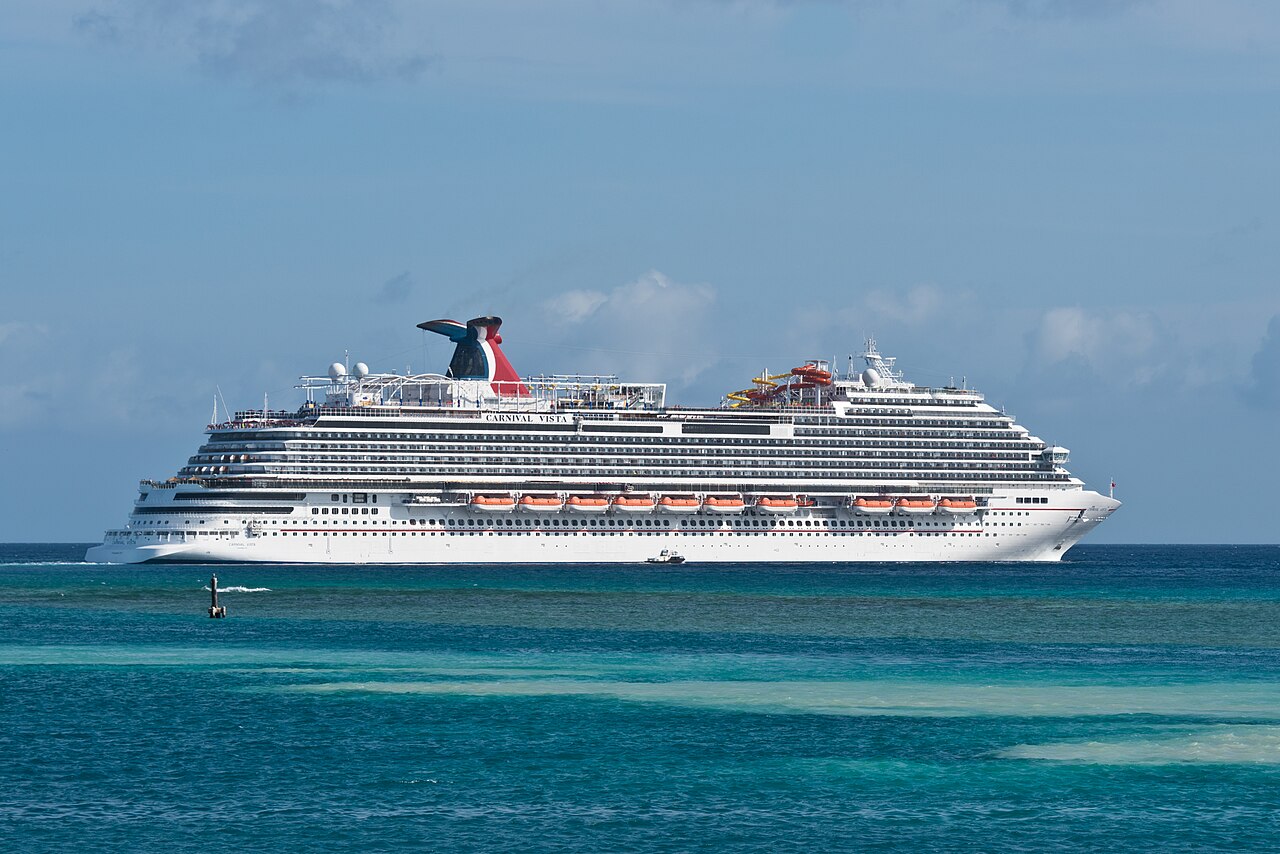
A few tips we'd give any family before they board: - **Request a balcony cabin** if the budget allows. It becomes the family's private retreat for morning coffee, afternoon reading, and stargazing. - **Bring magnetic hooks** for the metal cabin walls — hats, lanyards, bags, all of it. - **Pack motion-sickness remedies.** Dramamine and Sea-Bands work well for kids and are worth having onboard. - **On embarkation day, head straight to the pool deck.** While most passengers are still finding their cabins, you'll practically have the waterslides to yourselves. - **Don't skip the kids' club orientation on your first evening.** Once your children make friends there, they'll ask to return every day. A seven-night cruise gives families time to find their rhythm — sea days for pool lounging and ship exploring, port days for beach adventures and cultural excursions. Many families book their first cruise skeptically and become lifelong cruisers by the end. That's not an accident. It's a vacation format that consistently delivers.