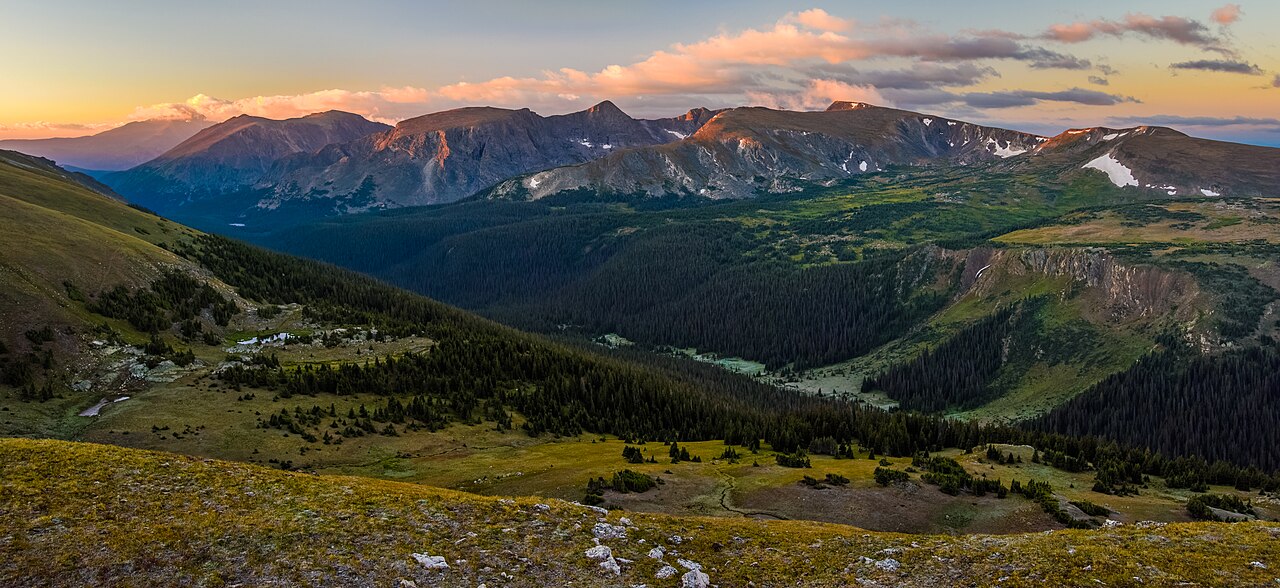
Trail Ridge Road makes the case for the Colorado Rockies by itself: the treeline disappears, the peaks open up in every direction, and that moment alone is worth planning a trip around. We've recommended this destination more times than we can count, and nobody has ever come back wishing they'd gone somewhere else. This is a place where nature genuinely competes with everything on a screen, and wins. If you've been on the fence about making it happen, we'd say go ahead and clear the calendar — a few days simply won't be enough.
Explore Colorado Rocky Mountains
Discover Colorado Rocky Mountains through photos that tell the story.
Find out how well you know Colorado Rocky Mountains.
Rocky Mountain National Park is the heart of the experience, and it's one of the most visited national parks in America for good reason. Trail Ridge Road — the highest continuous paved road in the United States, climbing above 12,000 feet — gives families access to alpine tundra without lacing up a single hiking boot. Kids can spot marmots, pikas, and bighorn sheep from pullouts along the road, and the Alpine Visitor Center at the summit explains what life actually looks like above the treeline. For families who want to hike, the range of options is genuinely impressive: the Bear Lake loop is flat and wheelchair-accessible, perfect for younger children, while Alberta Falls and Ouzel Falls offer short hikes with a dramatic payoff. The surrounding town of Estes Park practically hands you elk sightings — by day two, the kids are almost blasé about it, which is its own kind of magic.
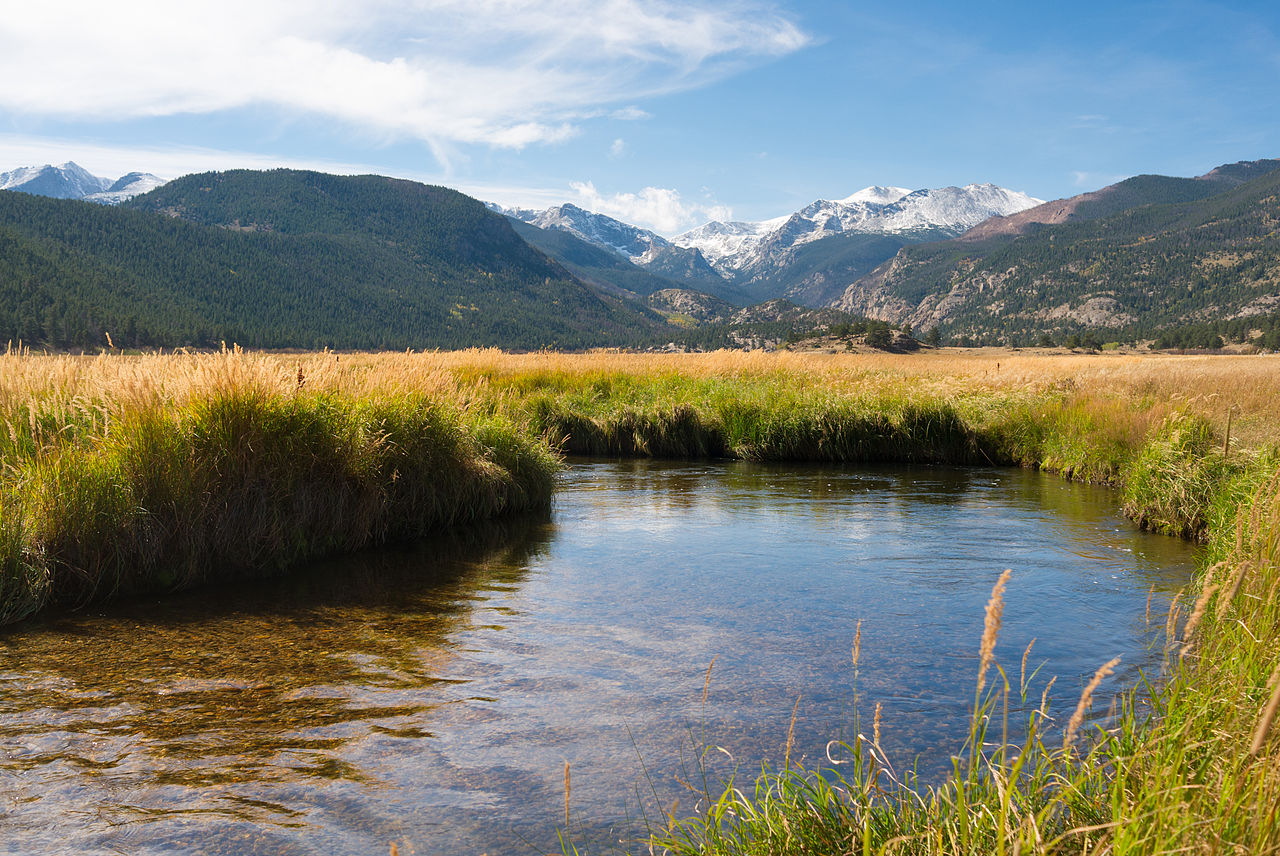
Colorado's ski resorts are the other half of the equation, and whether we're visiting in winter or summer, they know how to run a family operation. Breckenridge, Vail, Keystone, and Winter Park all offer dedicated children's ski schools, beginner-friendly terrain, and walkable village setups where families don't need to shuffle cars between lodge and lifts. Summer flips the script entirely: chairlifts become scenic rides, trails open for mountain biking, and resorts add alpine slides, zip lines, and bungee trampolines. Keystone's Kidtopia festival is particularly well done — mountaintop snow forts, s'mores roasts, and enough organized activity that kids stay busy and adults get a genuine moment to exhale. Don't overlook Glenwood Springs: it's home to the world's largest hot springs pool, naturally heated mineral water with mountain views in every direction. That's a genuinely luxurious experience at a reasonable price, and it's the kind of stop that earns its own planning.
Beyond the parks and resorts, Colorado has a strong supporting cast worth building into the itinerary. Garden of the Gods in Colorado Springs is a free park where towering red rock formations rise dramatically against the backdrop of Pikes Peak — the paved, stroller-friendly trails and geology exhibits make it one of the best free stops in the state. The Royal Gorge Bridge near Cañon City spans a 1,000-foot-deep canyon and adds a zip line, aerial gondola, and a via ferrata course for older kids ready for a real challenge. The Colorado Railroad Museum in Golden has vintage locomotives children can actually climb aboard, and Georgetown's historic narrow-gauge railroad offers a mountain rail ride that feels genuinely old-school in the best way. These aren't filler stops — each one earns its place.
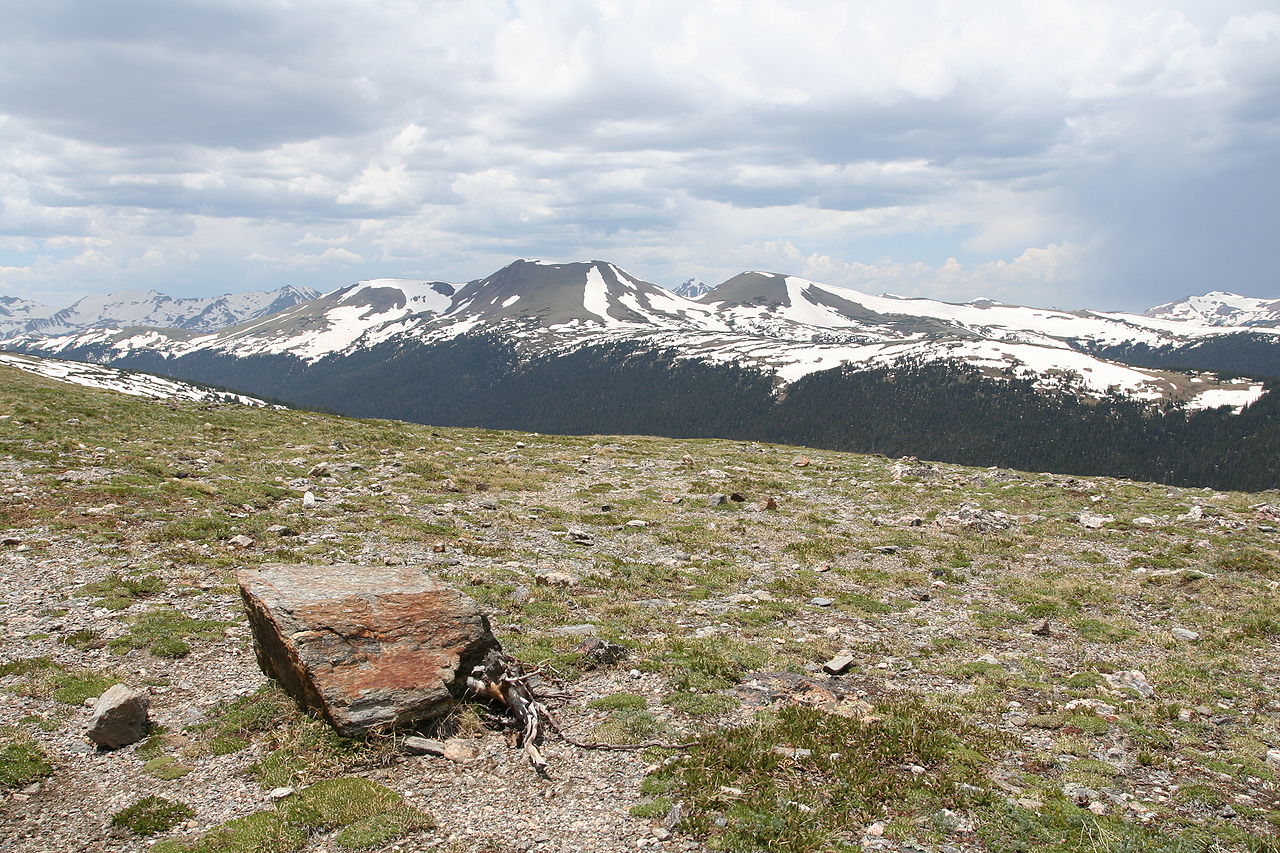
One honest note before you book: altitude deserves respect. Denver sits at 5,280 feet, and many mountain destinations push past 9,000. Arriving from sea level and driving straight to elevation can leave everyone feeling tired and headachy, which is not the start anyone wants. We'd recommend spending the first day in Denver or the foothills while bodies adjust — the Denver Museum of Nature and Science, the Denver Zoo, and the Children's Museum of Denver are all excellent options. Pack layers and rain gear regardless of the season; summer afternoons in the mountains routinely bring afternoon thunderstorms. Drive times from Denver to Estes Park or ski country run about 90 minutes to two hours on well-maintained roads. Colorado's Front Range delivers both city fun and mountain adventure within a single trip, and that kind of versatility is genuinely hard to find anywhere else in the country.