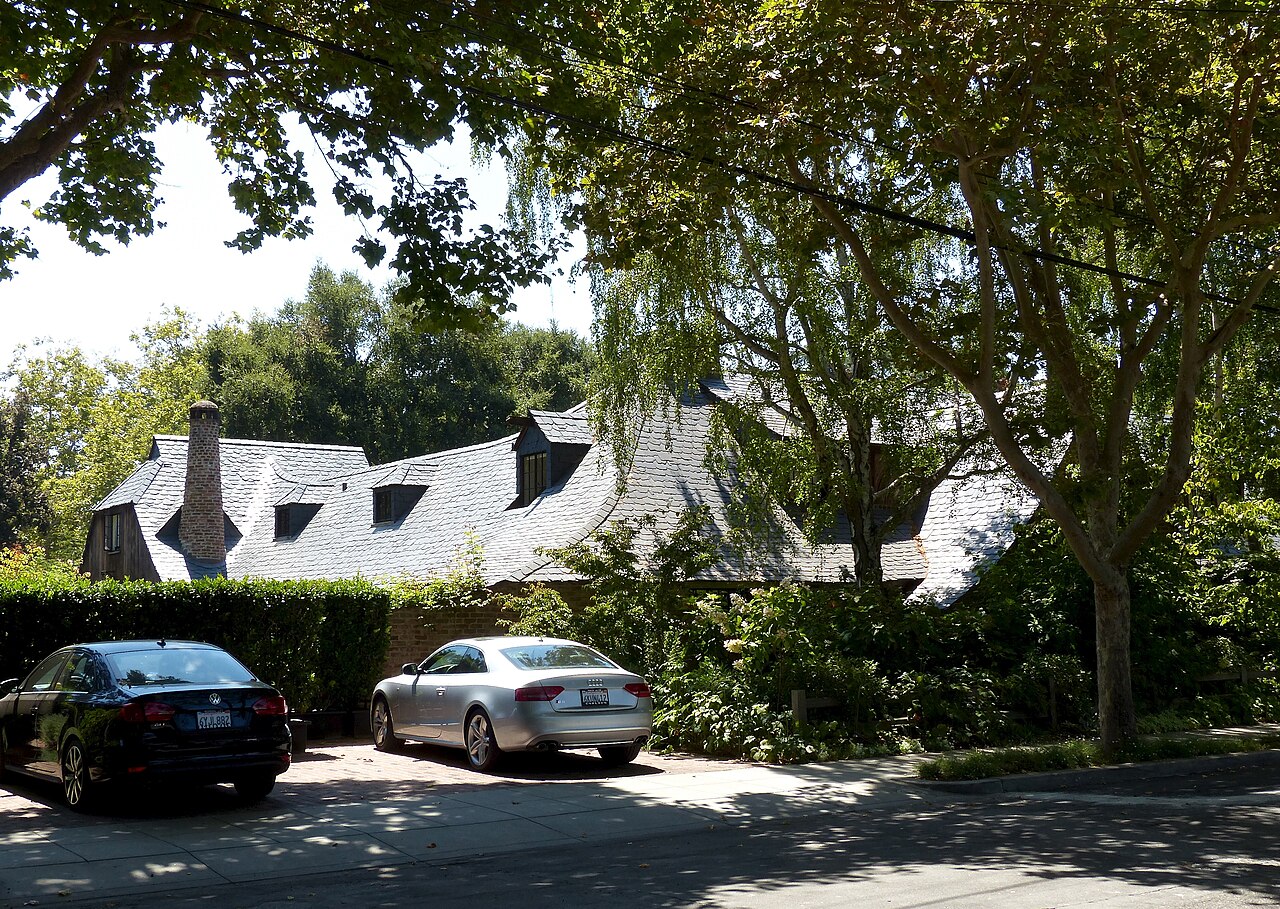
Here's what most travel sites won't tell you upfront: you can't see most of this. The estates of Atherton, Woodside, Portola Valley, and Los Altos Hills sit behind automated gates and mature hedgerows, and that's by design. Silicon Valley's billionaire class didn't accumulate this much wealth by letting strangers wander their properties. So before you book a trip specifically to gawk at tech compounds, understand what you're actually signing up for — a drive through some of the most expensive and deliberately invisible real estate on Earth. That said, the experience of being in this landscape is genuinely unlike anything else in America, and if you approach it correctly, it's worth the detour.
Explore Silicon Valley Estates
Discover Silicon Valley Estates through photos that tell the story.
Find out how well you know Silicon Valley Estates.
The roots of what you're looking at reach back to postwar Stanford, where Frederick Terman essentially invented the template for university-seeded tech wealth. What followed accumulated decade by decade: the ranch-style spreads of the semiconductor pioneers in the 1960s and 70s, the grander compounds of the personal-computer era, then the stratospheric money of dot-com and social media. Each wave left a different architectural signature. The older fortunes favor discretion — long gravel drives through heritage oaks, low modernist profiles designed by Bay Area architects who studied under the California ranch tradition's masters. The newer money tends toward the theatrical: cantilevered glass pavilions hovering over canyon edges, climate-controlled wine caves bored into hillsides, infinity pools angled toward the bay. Cycling Old La Honda Road on an autumn afternoon, you pass these layers of ambition stacked silently behind hedgerows, and the effect is genuinely strange.
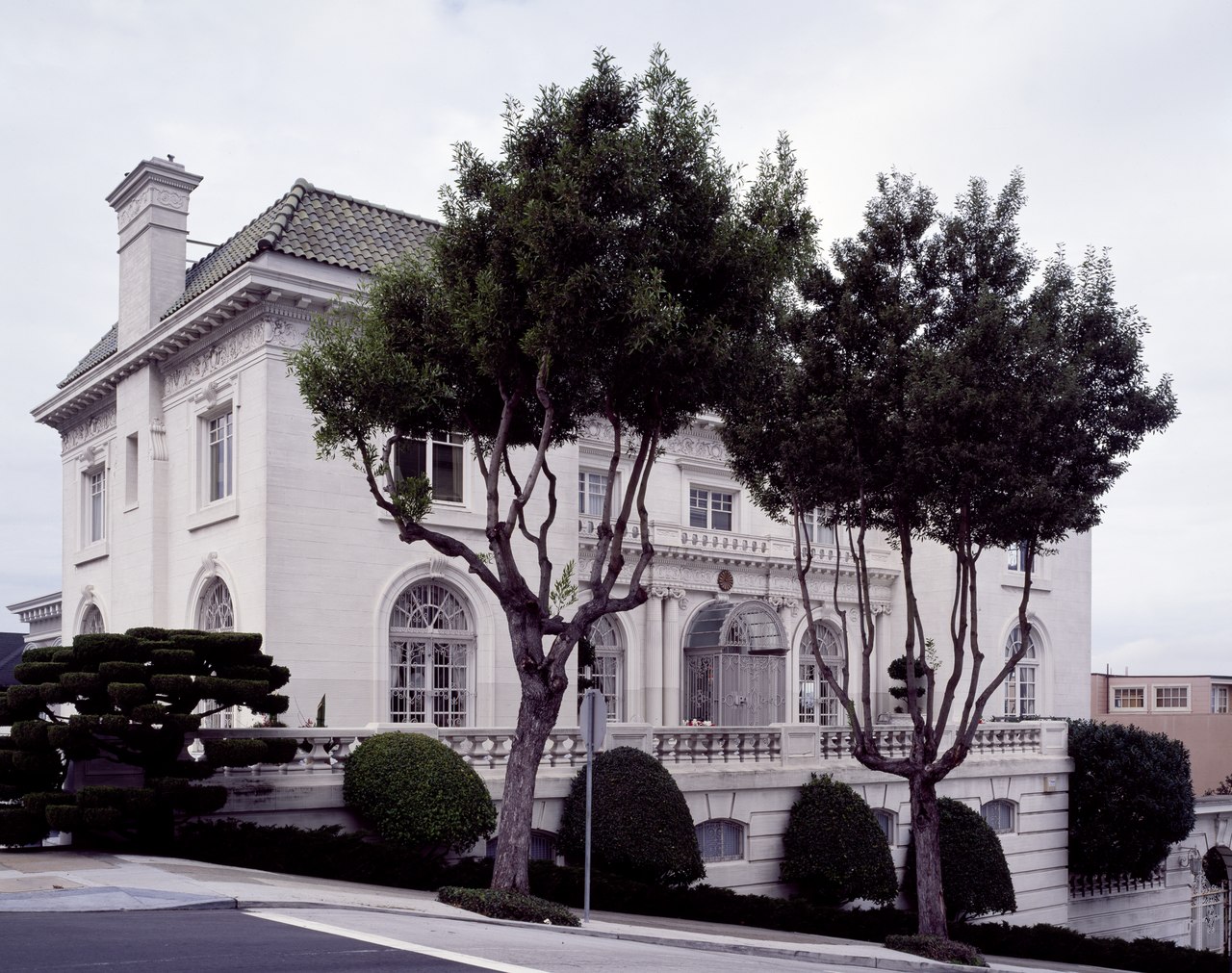
There are a few places where the curtain parts. Filoli in Woodside — a National Trust Historic Site — offers the most direct window into the pre-tech patrician wealth that preceded Silicon Valley's arrival: a Georgian Revival mansion and sixteen acres of formal gardens representing copper-and-gold-rush fortunes. It's properly good, worth two hours, and the gardens are among the finest in California. Sand Hill Road in Menlo Park looks like nothing — a low corridor of venture capital firms behind drought-tolerant plantings — but knowing that more capital-formation decisions per square foot have happened here than anywhere else on Earth gives it a certain weight. The Computer History Museum in Mountain View takes the machinery that generated these fortunes and treats it with the loving gravity of a natural history exhibit. That one's legitimately excellent.
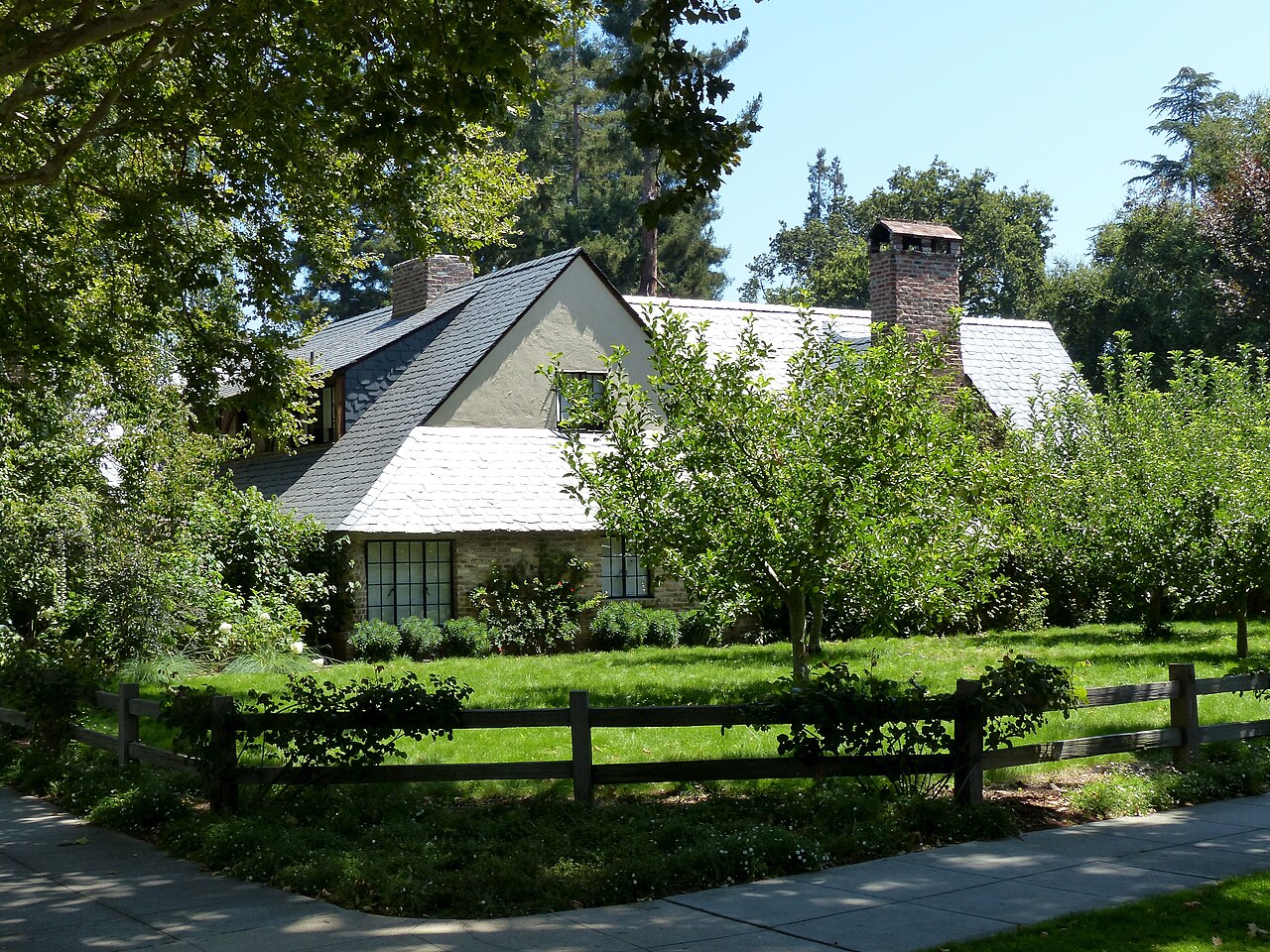
The cultural context matters here. Silicon Valley wealth carried a specific self-narrative — meritocracy, disruption, earned rather than inherited — and that ideology shaped what the compounds look like. The best expression of it is Steve Jobs's former home on Waverley Street in Palo Alto, still a site of informal pilgrimage. It's modest by neighborhood standards: a simple wooden gate, a house you'd walk past without noticing. Its significance is entirely contextual. The ideas that left that address reshaped more of daily life worldwide than most palaces ever managed, and standing outside it, that registers in a way that's hard to explain but genuinely does register. Larry Ellison took a different approach entirely — his Woodside hillside compound became a Japanese imperial estate complete with man-made lake, teahouse, and cherry blossom orchards, which is either the most honest expression of unconstrained ambition you've ever seen or a parable about what happens when there's nobody left to say no.
The honest takeaway: this is a destination for people who find the intersection of money, technology, and American ambition genuinely interesting to think about. If you're expecting architectural tourism in any conventional sense, you'll be frustrated. But if you can spend a morning at Filoli, drive the ridge roads above the bay at dusk, stop at the Jobs house on Waverley Street, and sit with the idea that Leland Stanford's horse farm became a university that became the engine of the global tech economy — that's a half-day worth having. Stanford's campus itself, where it all started, is free and open to anyone. The sandstone arcades and palm-lined quads are where the entire estate culture organized itself. Every compound in the hills is a smaller variation on that original gesture: wealth made physical, wealth made permanent, wealth offered back to the future. The orchard is long gone. What replaced it is still, in its way, remarkable.