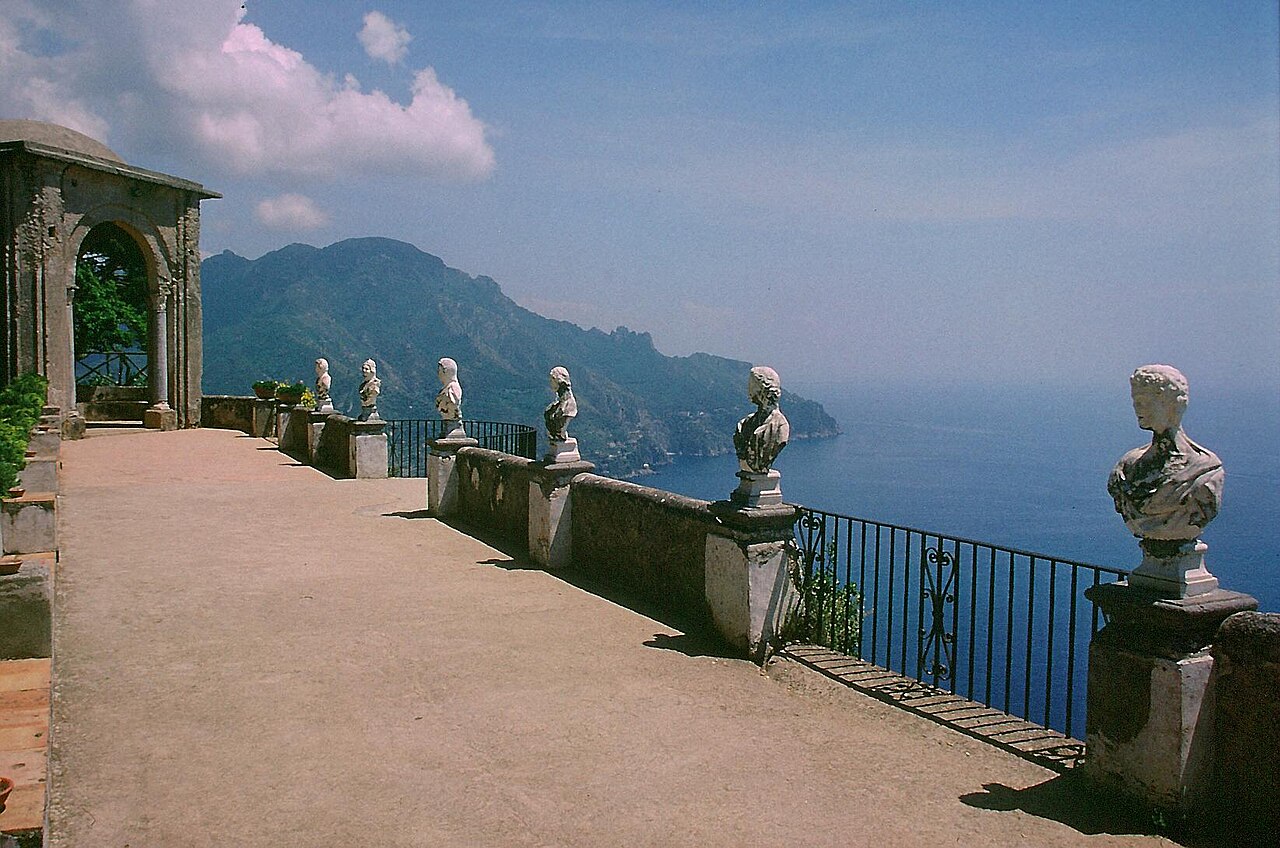
The honest version of Mediterranean cliff villas is this: most people never see them correctly. They arrive by road, which means they see the backs of things — parking lots carved into hillsides, delivery trucks on roads too narrow for delivery trucks, the infrastructure that makes the postcard possible. Arriving by boat is different. From the water, Positano resolves into something coherent: tiers of buildings stacked up a cliff face, each one slightly set back from the one below, the whole composition making sense in a way it never does from the road above. That's the correct orientation. That's what these places were designed to look like and to look out from.
Explore Mediterranean Cliff Villas
Discover Mediterranean Cliff Villas through photos that tell the story.
Find out how well you know Mediterranean Cliff Villas.
The Romans understood the strategic value of these cliffs before anyone thought to call them beautiful. Villa Jovis on Capri, built by Emperor Tiberius in the first century AD, occupies the island's highest point with a theatrical sense of placement — four stories of imperial logistics dissolved into the rock face, with sheer drops on three sides to the sea below. Tiberius reportedly ruled the empire from here for the last decade of his life, communicating by signal fires across the water to the mainland. What survives today is largely rubble, but rubble of a particular grandeur. The walk up through the maquis scrub to reach the summit rewards the effort with one of the more honest views in Italy: nothing between you and the horizon but light and water. It's worth the climb.
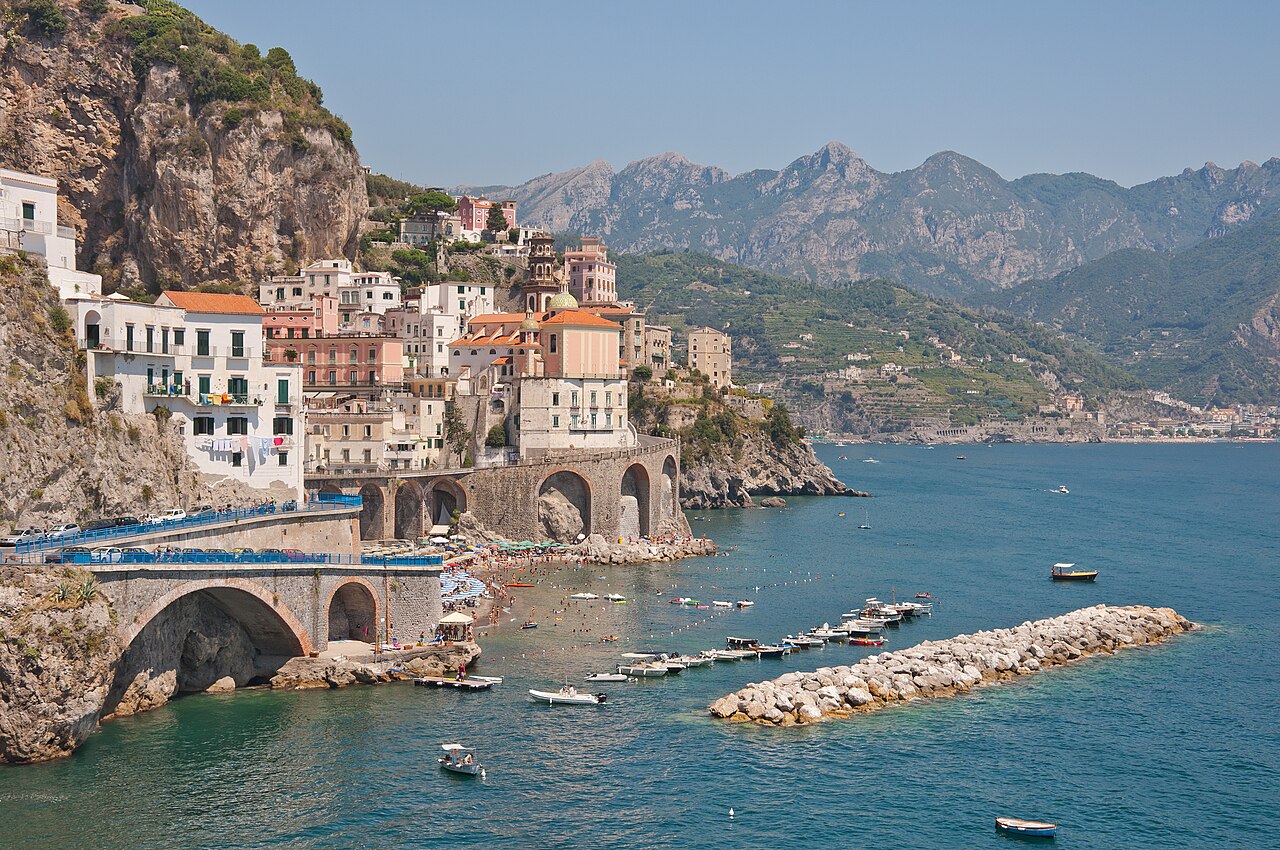
The medieval period added a different kind of architecture to these cliffs — defensive, compressed, oriented inward against piracy and rival city-states. The tower houses of the Amalfi Coast date from the ninth and tenth centuries, when Arab raiders made the open sea a constant threat. Villages like Ravello and Positano developed their characteristic verticality not from aesthetic ambition but from simple logic: build upward because there's nowhere else to go. The Villa Rufolo at Ravello, built by the merchant family who helped finance the Crusades, introduced formal gardens to the clifftop — terraced beds suspended above the Gulf of Salerno that Richard Wagner visited in 1880 and declared the inspiration for Klingsor's Magic Garden in Parsifal. Whether or not you care about Wagner, standing on that terrace above the sea makes the point.
The Cinque Terre offers a different lesson in what these cliffs produce when people actually have to live on them. The terrain is so steep and the soil so thin that the inhabitants built terraced vineyards up nearly vertical slopes, held in place by dry-stone walls whose total length, if laid flat, would stretch from one end of Italy to the other. The wine they produced — Sciacchetrà, a dense amber passito — was never a luxury product. It was the practical result of the only agriculture the land would support. The five villages — Monterosso, Vernazza, Corniglia, Manarola, Riomaggiore — appear from the sea as if poured down the cliffs, the buildings stacked in columns of ochre and terracotta that glow in afternoon light with an intensity that's attracted painters for two centuries. Walking the coastal paths between them remains one of the defining Italian experiences. I'd caveat that 'walking' is generous on some stretches — you'll want real shoes, not sandals, and the summer crowds on the main coastal trails have gotten genuinely bad.
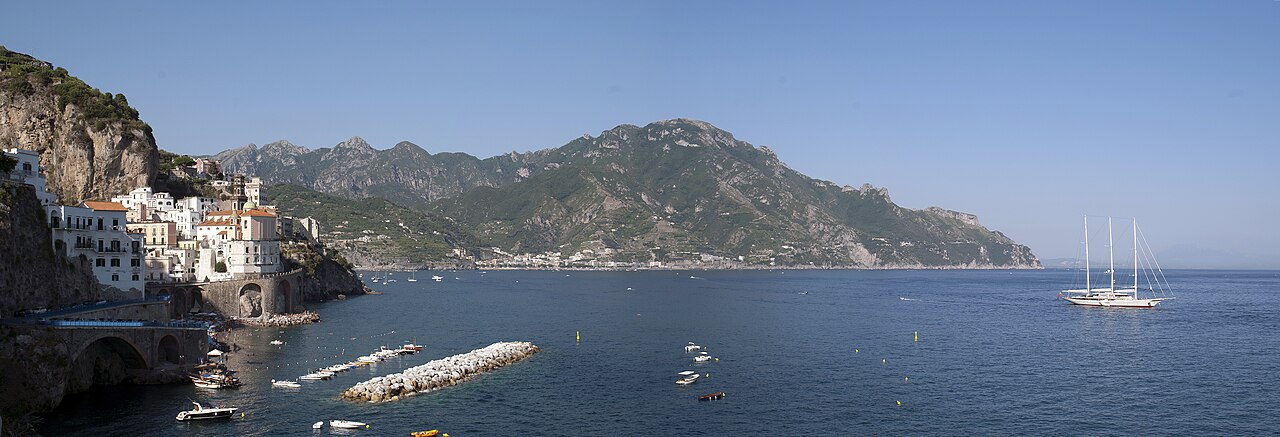
What these cliff settlements share, beyond their geology, is a relationship to light that's unlike anything in the Italian interior. The Mediterranean at this latitude reflects and amplifies sunlight in ways that flatten shadow and sharpen edge, so whitewashed walls seem to generate their own illumination. This is why Turner, Lear, and Corot all made the journey south in the nineteenth century — they were chasing a quality of light their home latitudes couldn't provide. The light isn't incidental to the experience. It is the experience, the thing the architecture was built around and that the visitor comes, consciously or not, to absorb.
If you're deciding whether to book a cliffside villa versus a hotel in town, the honest answer is that a villa higher up costs more and requires more logistics, but the view from a private terrace at sunrise justifies both. Arriving by boat remains the right approach — the approach these places were designed for. From the water, the relationship between rock, building, and sea resolves into something coherent. You see how the terraces step back from the cliff edge, how the colors shift from deep blue-green through turquoise shallows to blinding white walls, how a single fishing boat at anchor in a cove contains the entire logic of the place. Three thousand years of people building here suggests the math works out. You decide if it works for you.