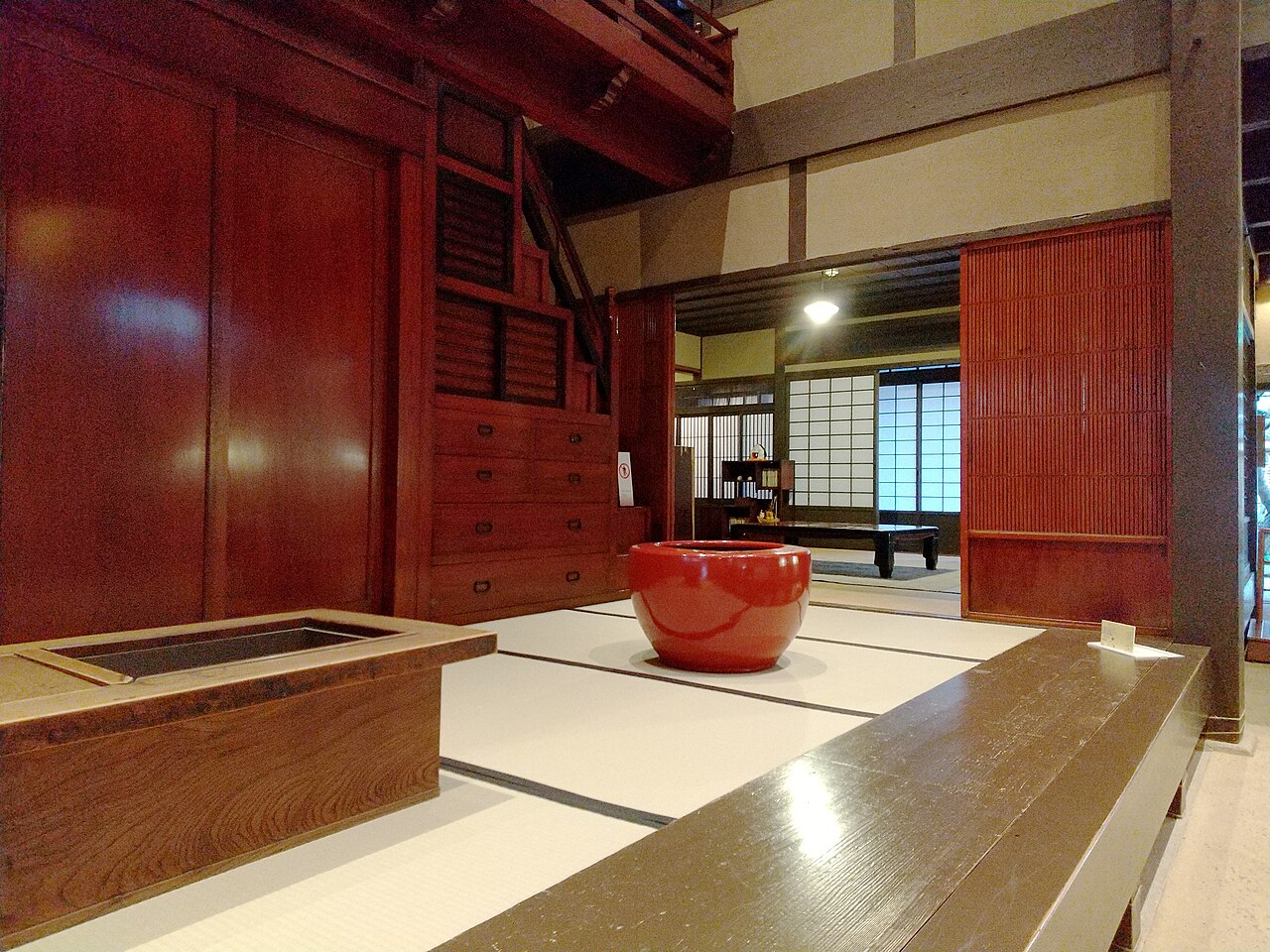
The architecture of Japanese minimalism rests on one premise: that emptiness isn't absence but presence. It's an argument that's been made in wood, paper, and light for more than a thousand years, and after spending time in the spaces this tradition produces — tatami rooms, teahouses, machiya interiors — I think it's correct. Most people who experience it firsthand feel the same way.
Explore Japanese Minimalist Houses
Discover Japanese Minimalist Houses through photos that tell the story.
Find out how well you know Japanese Minimalist Houses.
The aesthetic has roots in Buddhist philosophy, Shinto reverence for natural materials, and the practical intelligence of a culture that learned to build with wood and paper in a land of earthquakes and monsoons. The shoin-zukuri style, which emerged among aristocratic and temple residences during the Muromachi period (1336–1573), codified the essential vocabulary: tatami rooms, the tokonoma alcove for a single scroll or flower arrangement, and the shoji screen — translucent rice-paper panels that turn direct sunlight into something closer to breath. These weren't accidental features. They were the physical expression of a philosophy that the tea ceremony master Sen no Rikyū crystallized in the sixteenth century as wabi: the beauty of incompleteness, imperfection, and the unadorned.
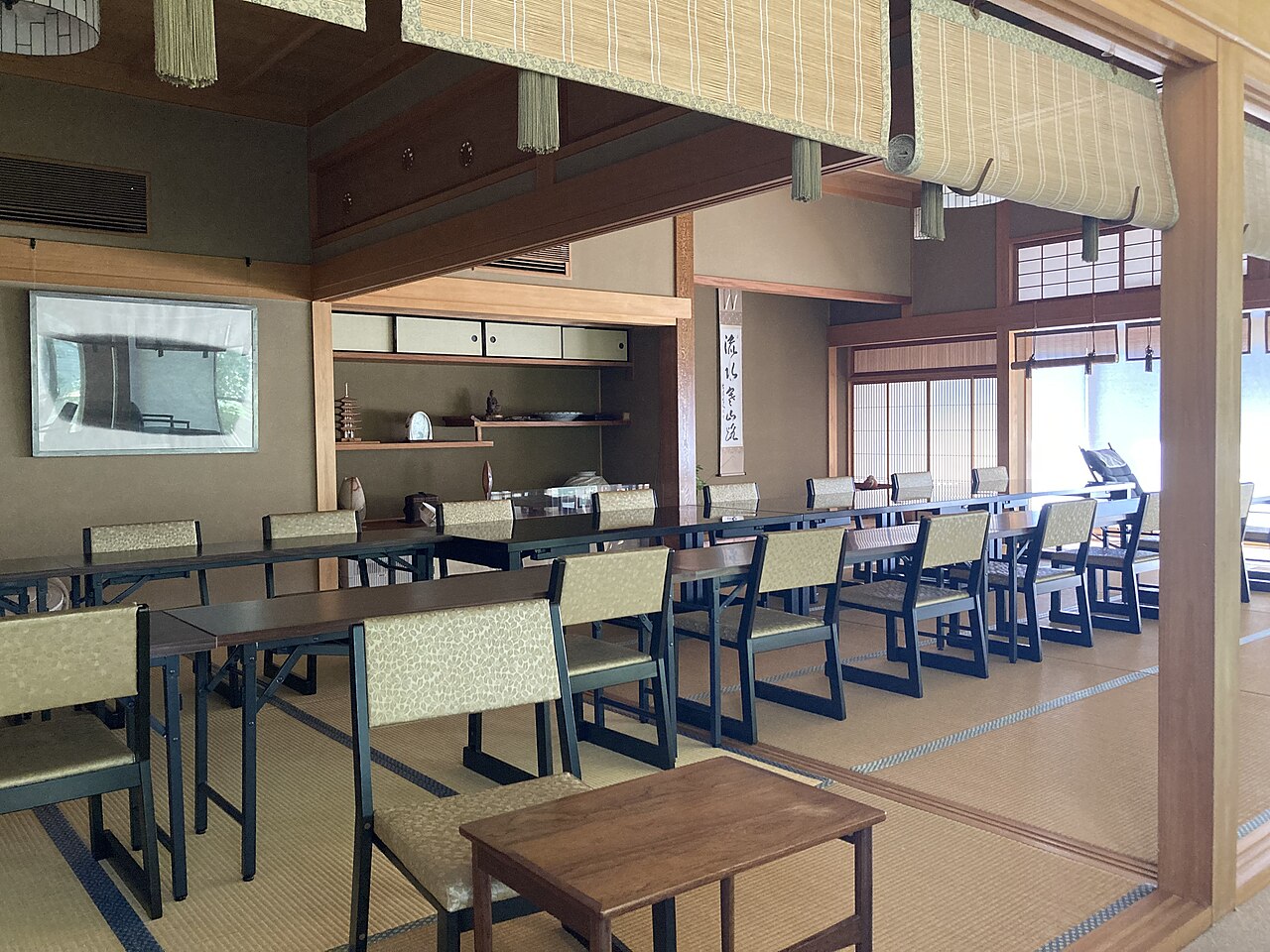
You encounter this philosophy at every scale in Japan's architectural heritage. Ryoanji's fifteenth-century rock garden in Kyoto — fifteen stones in raked gravel arranged so that no vantage point reveals all fifteen at once — is one end of the spectrum. The machiya townhouses of Gion are another: narrow wooden facades that conceal long corridor-like interiors opening room by room into courtyard gardens barely larger than a dining table. The machiya achieve beauty through discipline rather than wealth, through the quality of a single beam rather than the quantity of ornament. Kyoto still contains thousands of them, though development pressure claims more each decade.
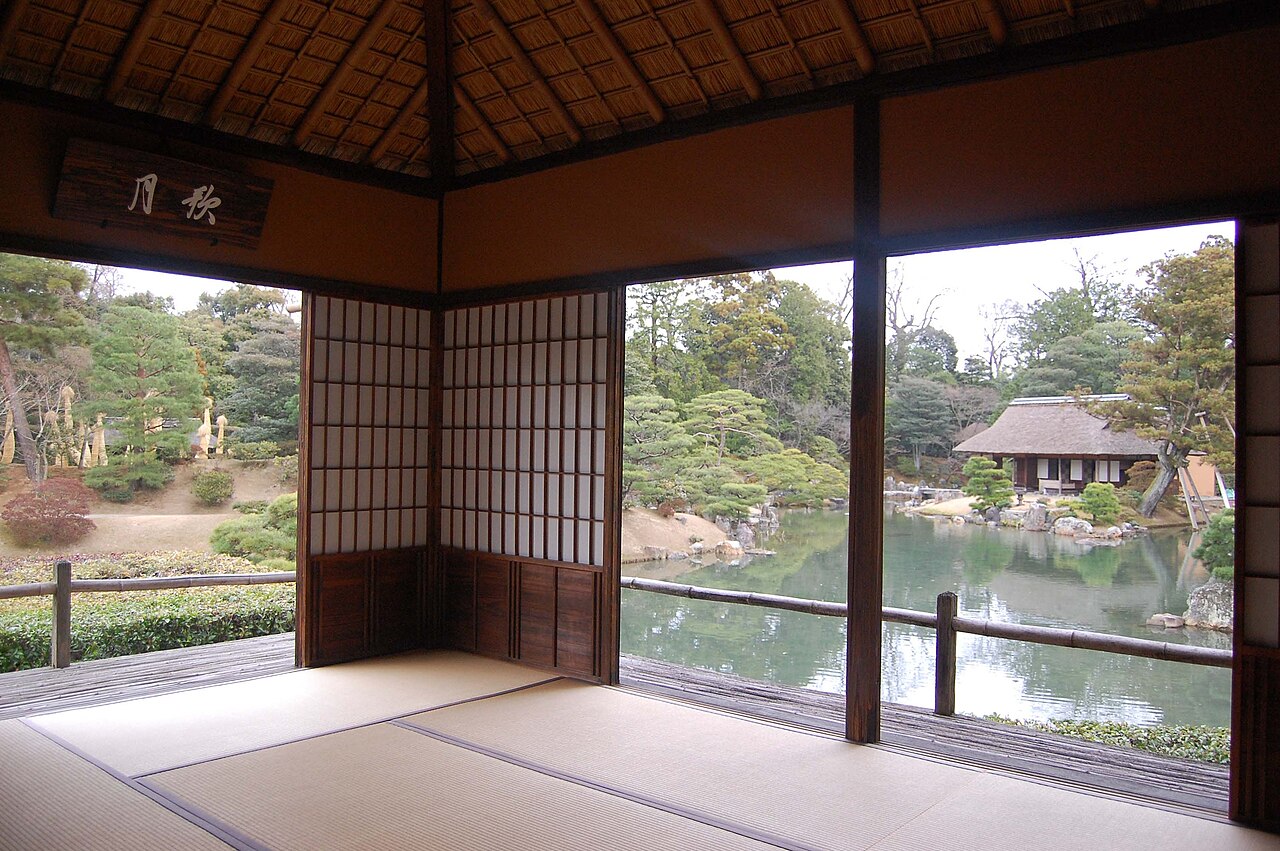
The tradition's most distilled form is sukiya architecture — the style of the teahouse — and Katsura Imperial Villa on the western edge of Kyoto is the argument at its most complete. Built incrementally between 1615 and 1663 for imperial prince Toshihito, Katsura is the building modernism most wanted to be. When the German architect Bruno Taut visited in 1933, he wept. That's not hyperbole — it's in the historical record, and having been to Katsura, I understand it. The genius is integration: the shoin pavilions step forward and recede along the pond's edge, framing views that change with the season, the hour, the direction of your gaze. Nothing is symmetrical. Nothing is incidental. The consideration has been so thorough it becomes invisible.
Here's what I'd tell you before you book: the finest ryokan — the traditional inns where this spatial philosophy is most directly available to travelers — run several hundred to several thousand dollars per night. The ones that've genuinely maintained their interiors for generations tend toward the upper end of that range. The celebrated establishments in Kyoto, Hakone, and the mountain onsen towns of Nagano book months in advance. And sleeping on a futon on tatami, however beautiful in theory, takes a night or two to adjust to physically. I'd still do it — a stay in a well-preserved ryokan is immersion in a spatial argument about what human beings actually need, and that argument lands at the level of the body rather than the intellect. But the price is real and the logistics require planning.
The minimalist tradition survives as a living practice, not a museum artifact, partly because it keeps getting reinterpreted by architects who understand it from inside. Tadao Ando's concrete churches and museums carry the same gravitational relationship to light and silence that a seventeenth-century teahouse does, stripped of wood and paper but faithful to the deeper logic. Kengo Kuma has built entire careers on reinterpreting screen, material texture, and the dissolving line between inside and out. Visit Japan and you encounter these questions answered at every scale — in a temple gate, a covered shopping arcade, a neighborhood bathhouse, a bowl of clear soup. The emptiness, always, is doing something.