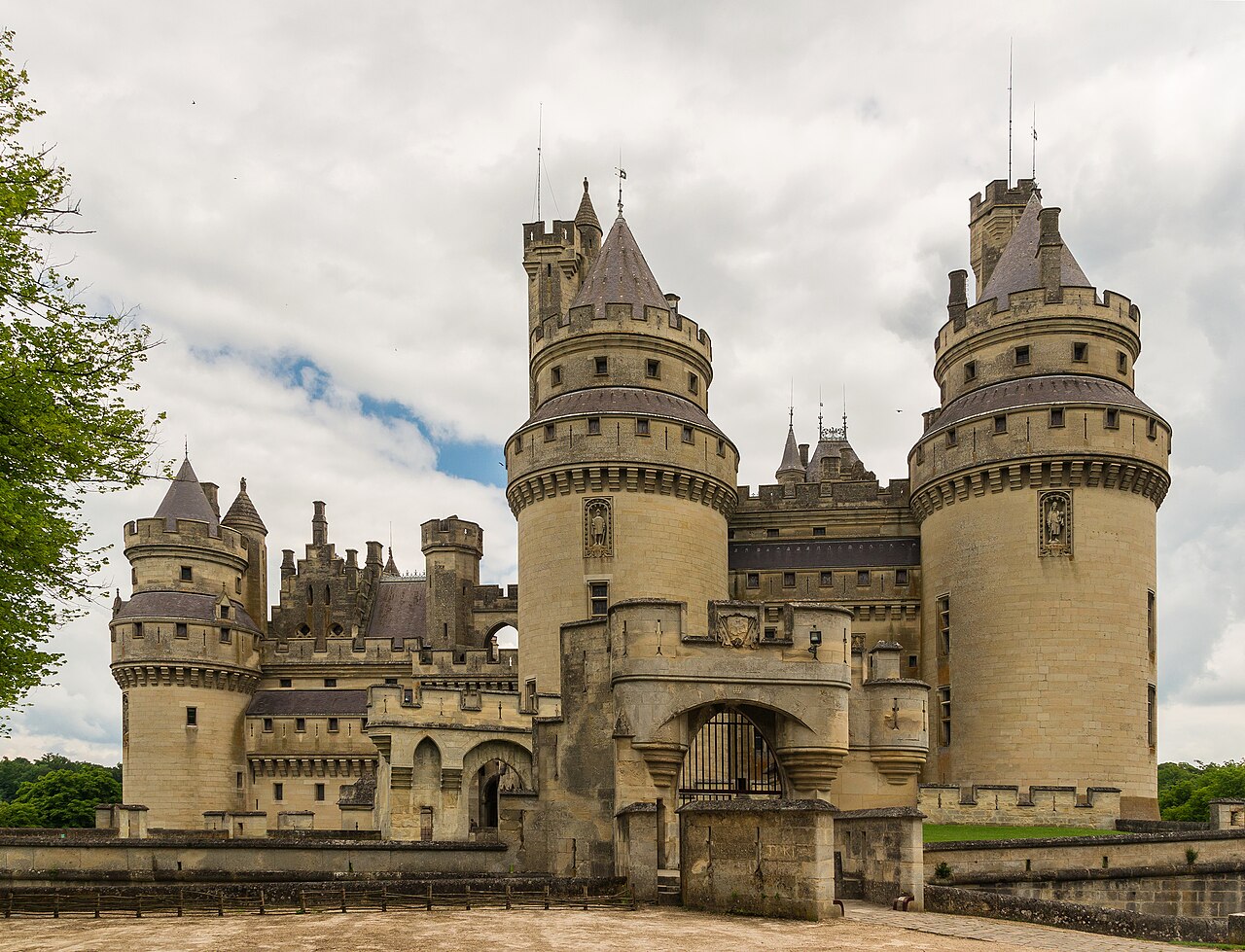
Chambord stops you cold. You've probably seen the photos — the double-helix staircase, the roofline bristling with towers and chimneys like a stone city skyline. The actual building still surprises. Francis I commissioned it in 1519 as a hunting lodge, which tells you something about the scale of royal ambition in Renaissance France: 440 rooms, 365 fireplaces, a weekend retreat. The Loire châteaux start here, and they set the bar high.
Explore French Châteaux
Discover French Châteaux through photos that tell the story.
Find out how well you know French Châteaux.
Chambord's double-helix staircase is attributed — possibly apocryphally, but plausibly enough — to Leonardo da Vinci, who spent his final years at Amboise just down the road at Francis I's invitation. The roofline has to be seen in person to fully register: approaching across the flat Sologne plain, it reads like an entire city skyline set down in a marsh. At dawn, with mist rising off the surrounding wetlands, it's genuinely striking. I'd go early.
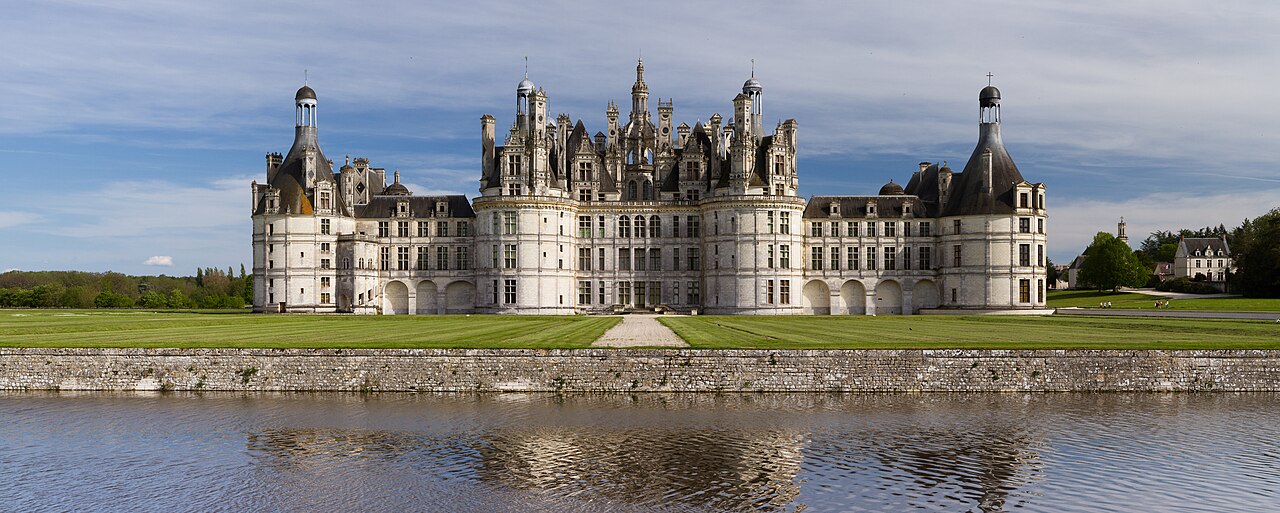
Chenonceau plays a different game. Where Chambord asserts, Chenonceau seduces. It straddles the River Cher on a series of arches, its gallery extending over the water like a bridge that abandoned its practical purpose and became art instead. It's the Loire's most visited château, and the most deeply shaped by women. Catherine de' Medici extended it after claiming it from Diane de Poitiers — the mistress of Henry II, who'd received it as a royal gift — and the great river gallery was her addition. During the First World War it served as a field hospital. During the Second, the demarcation line between occupied and free France ran directly beneath it. The history here isn't decorative; it flows through the structure.
The châteaux were also arguments about culture. After Charles VIII returned from military campaigns in Naples in the 1490s, a wave of Italian Renaissance influence swept through the French court. Blois, where four French kings held court and where Catherine de' Medici allegedly kept her poison cabinet hidden behind a secret panel in her study, is the clearest example: four wings built across different centuries in different styles, the whole ensemble a compressed history of French architecture in a single courtyard. Amboise, high on a rocky promontory above the river, is where Francis brought Leonardo da Vinci in 1516. Leonardo died there three years later, buried in the château's chapel of Saint-Hubert.
The honest caveat about visiting: the famous châteaux get crowded. Chambord and Chenonceau especially draw heavy summer traffic, and both are genuinely better in the shoulder seasons or at opening time. The region is best navigated by bicycle — the Loire à Vélo cycling routes thread through villages of white tuff stone and vineyards producing Muscadet, Vouvray, and Sancerre. For visitors willing to move beyond the two or three most famous names, the rewards are real. Villandry's Renaissance gardens were restored in the early twentieth century to their original geometric precision and are worth the detour. Azay-le-Rideau, an island château reflected in the Indre River, offers equal beauty at a fraction of the crowds.
The châteaux weren't vanity projects exactly — or not only that. They were instruments. The kings who built them were constructing arguments about divine favor and political stability, projecting magnificence to courts across Europe. Those arguments outlasted the kingdoms. What were once diplomatic statements are now tourist sites, which is one of history's more ironic outcomes. Whether that's worth a special trip from Paris depends on how much Renaissance architecture you can absorb. I'd say it is — but plan two full days minimum, stay close to the valley rather than commuting from Paris, and come prepared for crowds at the headliners.