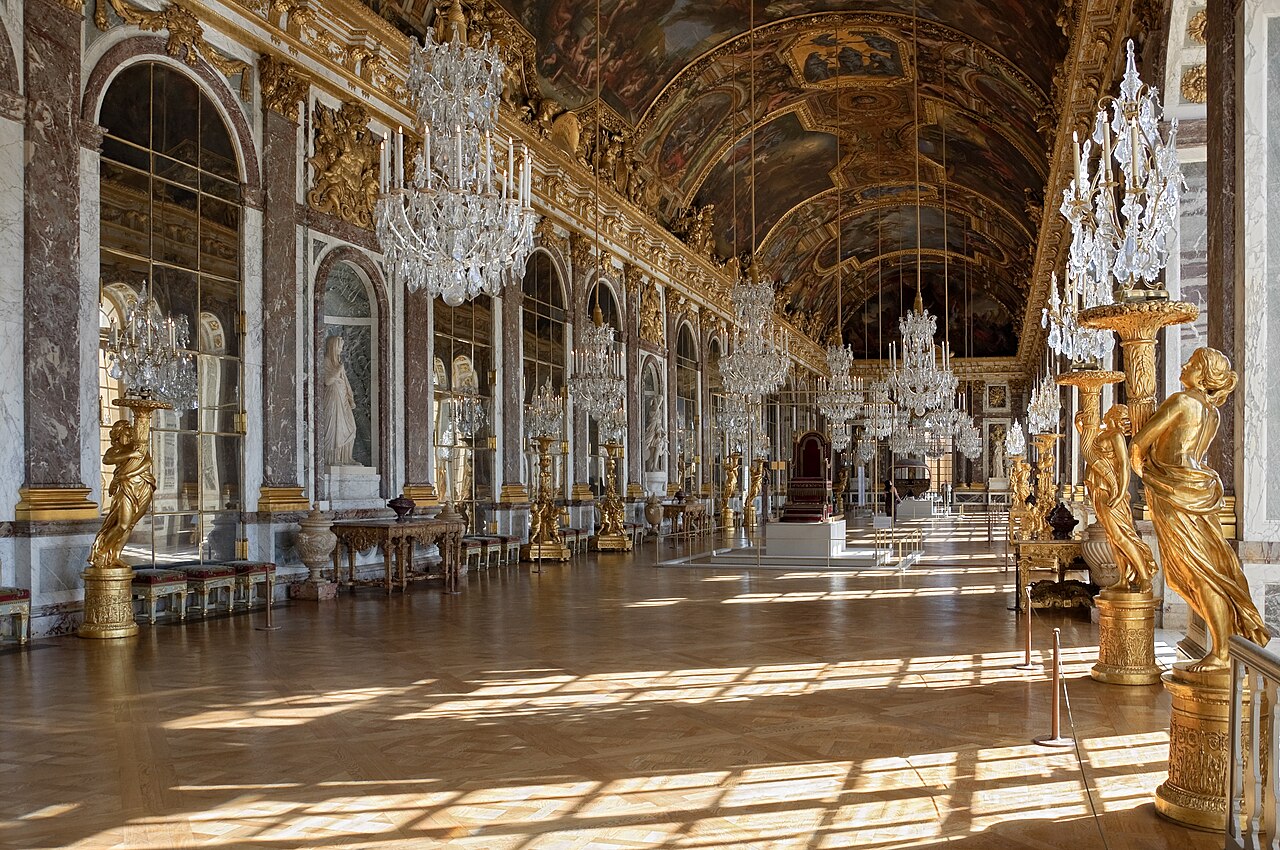
The Hall of Mirrors was designed to make foreign ambassadors feel small. Louis XIV understood that spectacle and statecraft were the same thing — and he was right. The 73-meter gallery lined with gilded bronze and mirrored arches still produces a visceral response in visitors who've been numbed by three hundred years of photographs. That's the test of serious architecture: it still lands in person.
Explore Baroque Palace Interiors
Discover Baroque Palace Interiors through photos that tell the story.
Find out how well you know Baroque Palace Interiors.
French Baroque palace interiors are, at their core, political documents written in gold leaf and oil paint. When Louis commissioned the expansion of Versailles in the 1660s, he wasn't building a home — he was constructing an argument. His architects, Jules Hardouin-Mansart and the painter Charles Le Brun, translated Italian Baroque's emotional intensity into something colder and more purposeful. Where Rome's churches bent the eye upward toward God, Versailles bent it toward the king. The Grand Apartments follow a planetary sequence — each salon dedicated to a celestial deity, culminating in the King's Bedchamber where the morning lever du roi, the ritual of the king rising, was a public ceremony. Hundreds of courtiers competed for the honor of handing Louis his shirt. The bedroom was a throne room in disguise.
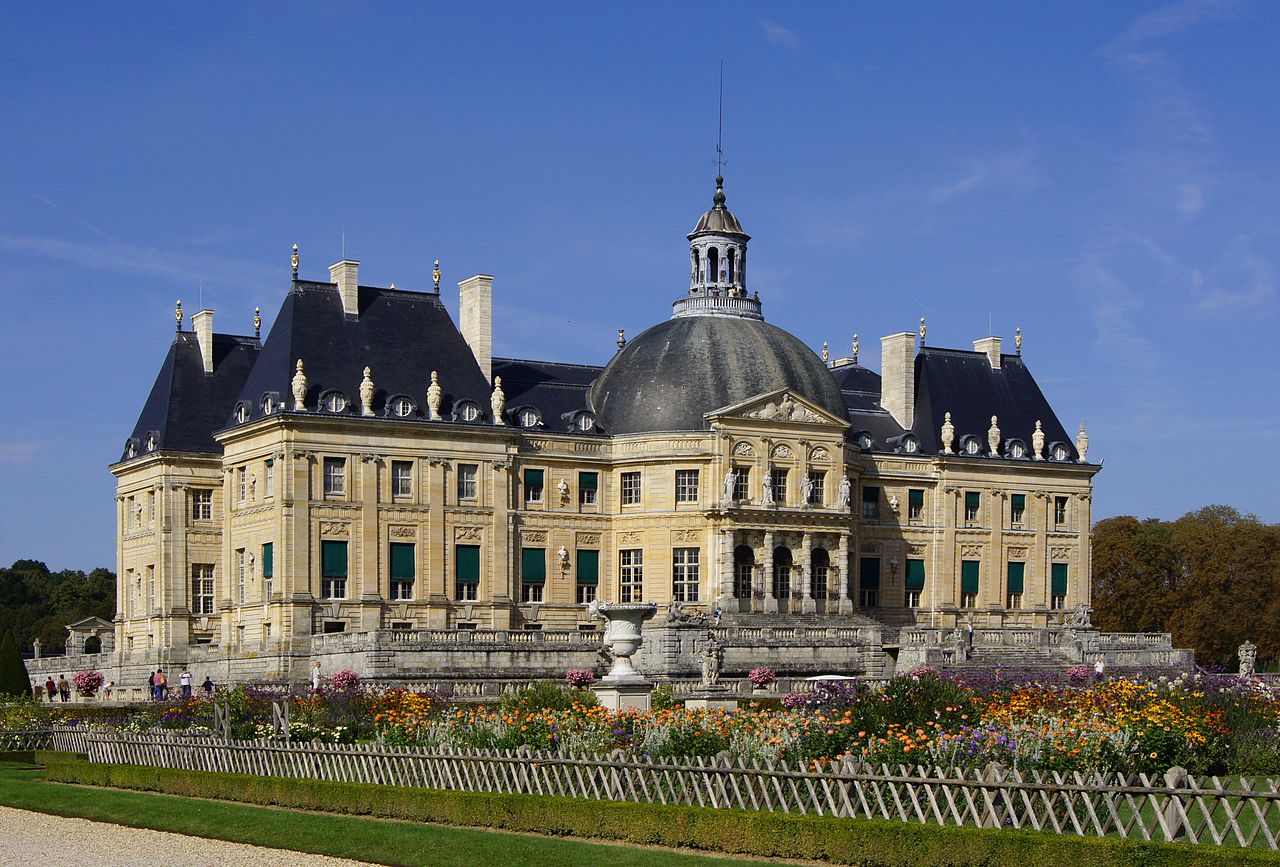
If you're deciding where to go, I'd start with Vaux-le-Vicomte before Versailles. Nicolas Fouquet completed it in 1661, and it's essentially the prototype — so magnificent that it provoked Louis XIV's jealousy and led directly to Fouquet's imprisonment. Louis then hired Fouquet's entire design team and built Versailles. Walking through Vaux-le-Vicomte today, with its oval salon rising to a painted dome and its tapestries still vibrant, you understand immediately why it made a king afraid. It's also manageable — you can move through it without being swept along by a crowd.
Honest caveat: Versailles in summer is a crowded airport corridor with better ceilings. Seven million visitors a year means the Hall of Mirrors — the room you came to see — can feel overwhelming in the wrong direction. The fix is simple: book the earliest available entry and walk directly to the King's Apartments before the tour groups find their rhythm. The Grand Trianon, the rose-marble retreat Louis built when he tired of the main palace, receives far fewer visitors and preserves genuine intimacy. At Fontainebleau, two hours south of Paris by train, crowds thin dramatically. You can stand where Napoleon signed his abdication without anyone pressing against you.
The broader point about these palaces is that they were instruments of control. Louis XIV moved his court permanently to Versailles in 1682, effectively trapping the French nobility in a gilded cage. Aristocrats who might have governed provincial estates and fomented rebellion were instead consumed by court ritual — competing for apartments, attending the king's meals, navigating the elaborate social choreography of daily ceremonies. The baroque interior was the mechanism of submission. Rooms so beautiful they demanded constant attention; spaces where one's position literally encoded one's rank. Visitors who feel slightly overwhelmed in the Hall of Mirrors are experiencing, in a mild and pleasant form, exactly what the room was designed to produce.
Whether this is worth your time depends on what you want from it. If you're looking for a quick cultural checkbox, Versailles delivers — the exterior photographs well and you'll have something to say at dinner. If you want the actual experience, that means the secondary palaces too: Chantilly, Compiègne, Fontainebleau. These are the places where the theory behind baroque grandeur — that magnificence is a moral category, that the state owes its subjects wonder — becomes something you can feel rather than observe. Afternoon light moving across the Hall of Mirrors in the off-season, seventeen arched windows facing their seventeen mirrored counterparts, is still doing exactly what it was built to do three hundred years later.