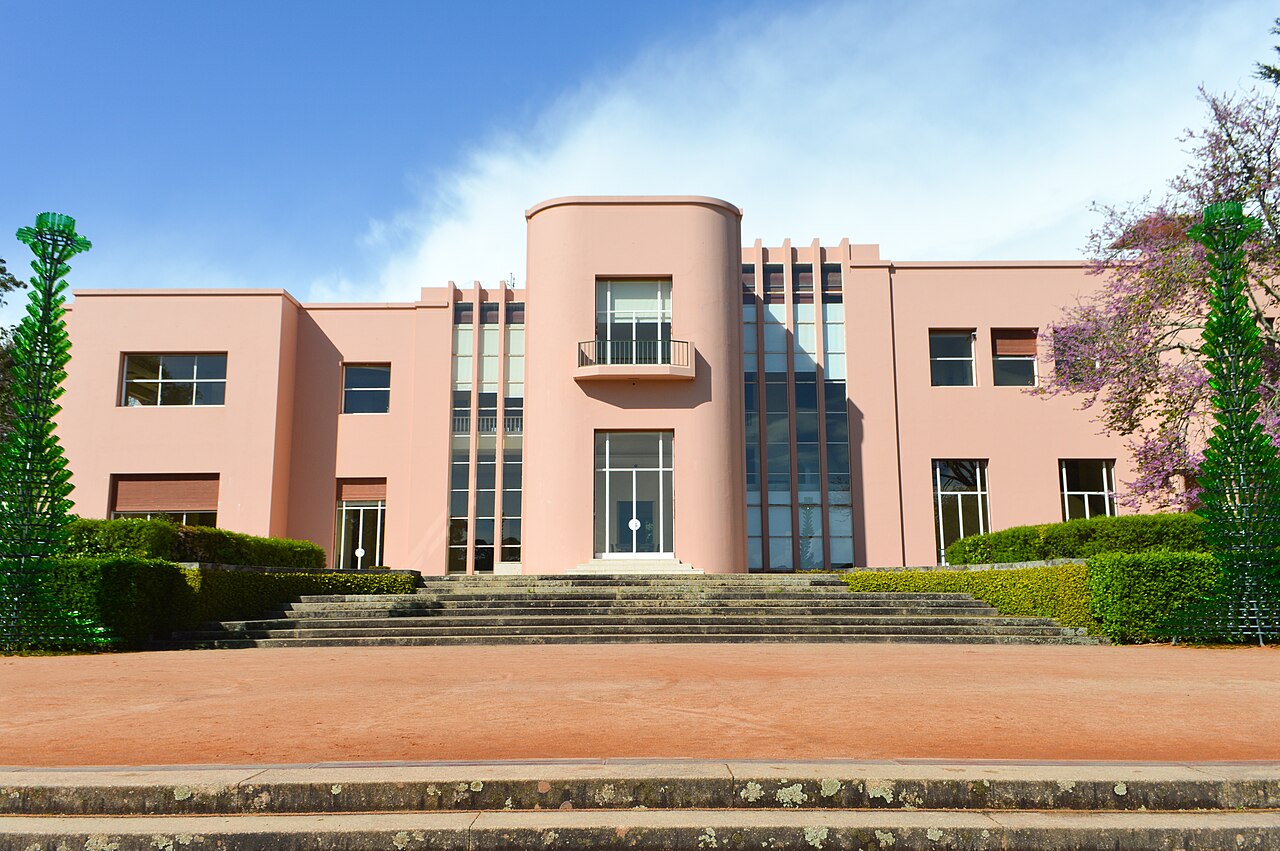
Stand on Ocean Drive at dusk when the neon signs start up — that particular pink-and-green Miami Beach palette — and the decade feels present rather than preserved. That's a specific kind of travel experience, and it's rarer than it sounds. Art Deco estates don't ask you to imagine a distant past. They insist on their own radical present tense, still vibrating at the original frequency. That's why this matters as a travel destination, and that's what I'd want to know before booking.
Explore Art Deco Estates
Discover Art Deco Estates through photos that tell the story.
Find out how well you know Art Deco Estates.
Miami Beach is the undisputed center of American Art Deco, and its historic district — bounded roughly by Ocean Drive, Collins Avenue, and the blocks inland from Lummus Park — holds the largest concentration of Art Deco architecture in the world. The buildings went up primarily between 1923 and 1943, designed by local architects like Henry Hohauser, L. Murray Dixon, and Albert Anis. They were built around a very specific fantasy: Florida as machine-age tropical spectacle. Eyebrow windows blocked the subtropical glare. Porthole windows evoked ocean liners steaming toward Europe. Exterior reliefs celebrated pelicans and palm fronds and streamlined racing cars, all in the same flattened, stylized vocabulary. The Miami Beach Architectural District made the National Register of Historic Places in 1979 — the first twentieth-century neighborhood to get that designation — which tells you these pastel buildings were taken seriously long before the tourists arrived.
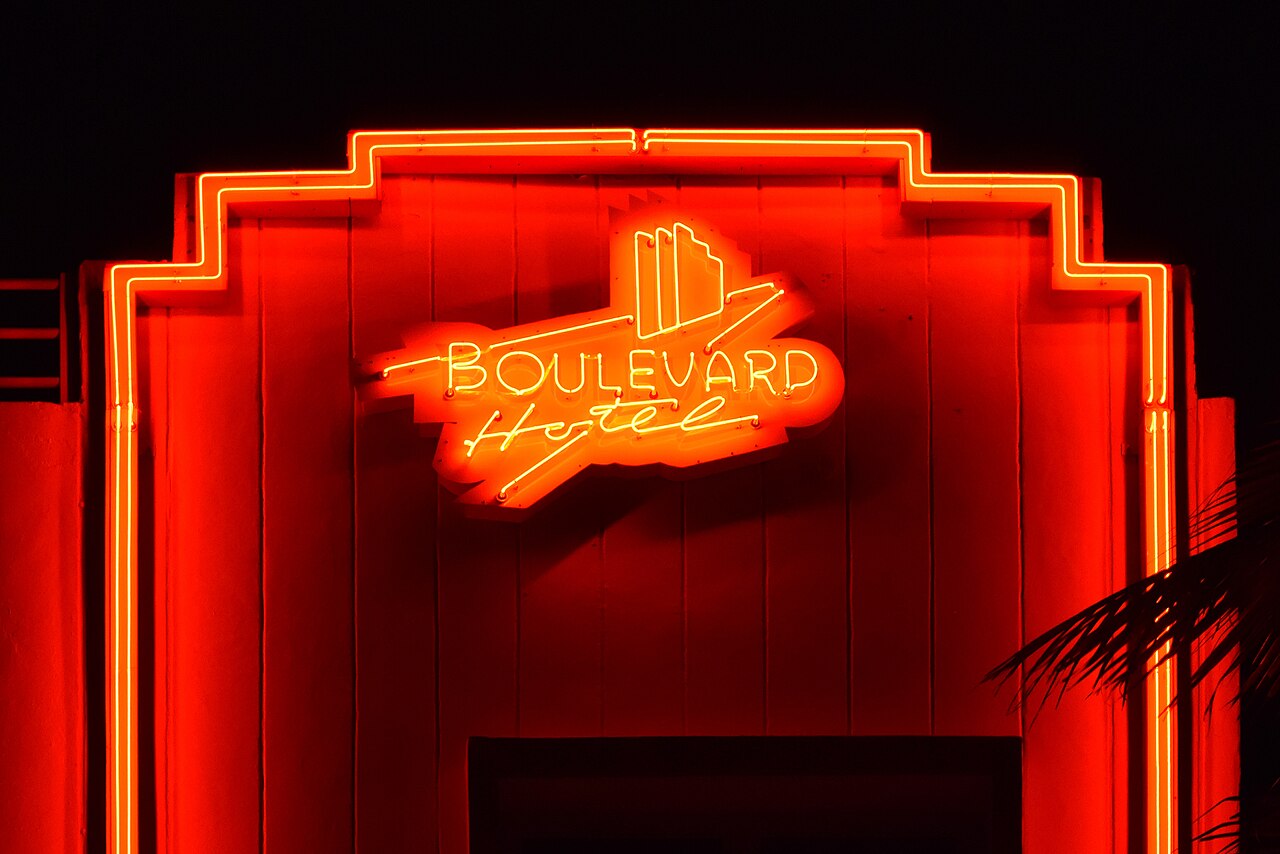
Long Island is a harder story. The Gold Coast — the North Shore from Great Neck to Lloyd Neck — held some of the most extravagant private estates in the country during the 1920s and 1930s. Industrialists and financiers who'd made fortunes in steel, oil, and railroads built here, and when Art Deco arrived, it transformed a handful of these estates in interesting ways. Falaise, Harry F. Guggenheim's Norman-style manor at Sands Point, carries Deco detailing alongside its medieval revival stonework. Otto Hermann Kahn's Oheka Castle influenced a generation of estate architecture. The more purely Deco experiments were often in the ancillary structures — garages, pool houses, gatehouse pavilions — where architects could take risks without offending the primary house. Most of these estates are gone now. The Depression and postwar tax codes gutted the fortunes that maintained them, and demolition followed. What's left operates as museums or county parks, and walking the grounds has a genuinely elegiac quality. You're experiencing the ruins of a scale of private wealth that won't return.
The Miami Design Preservation League, founded by historian Barbara Baer Capitman in 1976, runs guided tours worth doing before you wander independently — the architectural details reward explanation. Fluted pilasters, terrazzo floors inlaid with geometric patterns, cantilevered canopies that cut theatrical shadows across the sidewalk. Once you know what you're looking at, the whole district opens up differently. On Long Island, the Nassau County Museum of Art at Roslyn Harbor — built on the former estate of Henry Clay Frick's daughter — offers a quieter encounter with the period's ambitions, its formal gardens and sculpture walks threading through grounds that once staged some of the most lavish private entertainments in the country.
Here's the honest caveat: much of what made Art Deco estates remarkable on Long Island is simply gone, and the surviving examples deliver a fragmentary experience. Miami Beach is more complete, but it's a neighborhood that nightlife and tourism have substantially taken over, and navigating it well requires some planning — staying close to the historic district matters, and the better hotels inside the Deco buildings book up. What justifies the trip is this: many of Miami Beach's most exuberant buildings were constructed during the Depression, funded by speculative real-estate money that was already evaporating. The style celebrated speed and technological progress while the owners watched their fortunes dissolve. That contradiction — the gorgeous bravado of a cornice frieze commissioned in a year of financial panic — is what makes these places feel genuinely strange and alive rather than merely preserved. If that kind of historical resonance is what you're after, this is one of the few places that delivers it without a museum's remove.