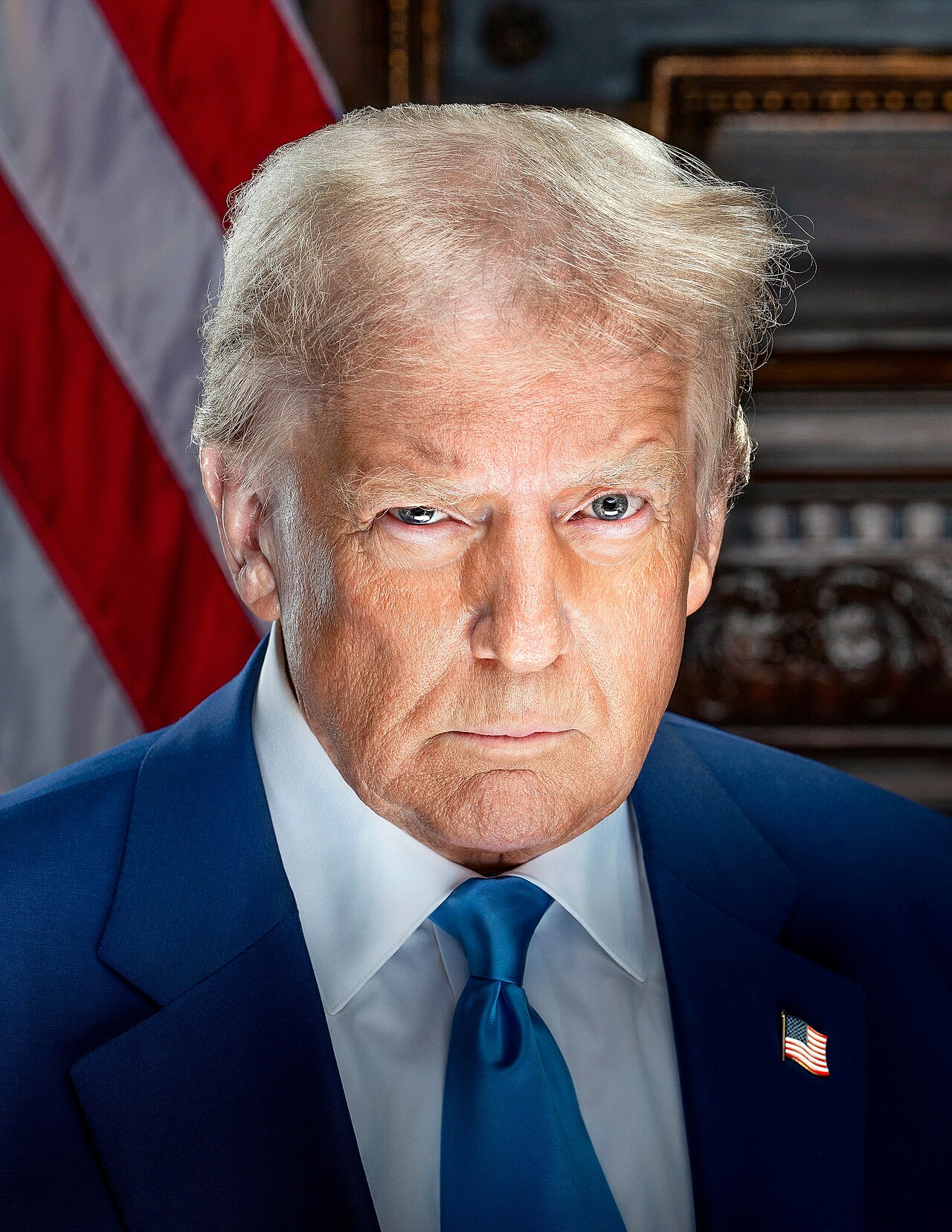
The Iran war is being run from two rooms on two continents. In Washington, a small circle around Donald Trump makes the decisions. In Tel Aviv and Jerusalem, Benjamin Netanyahu and his military commanders execute the strikes. Between them, a handful of people coordinate. Here's who they are and how they relate to each other.
Who's Who?
-
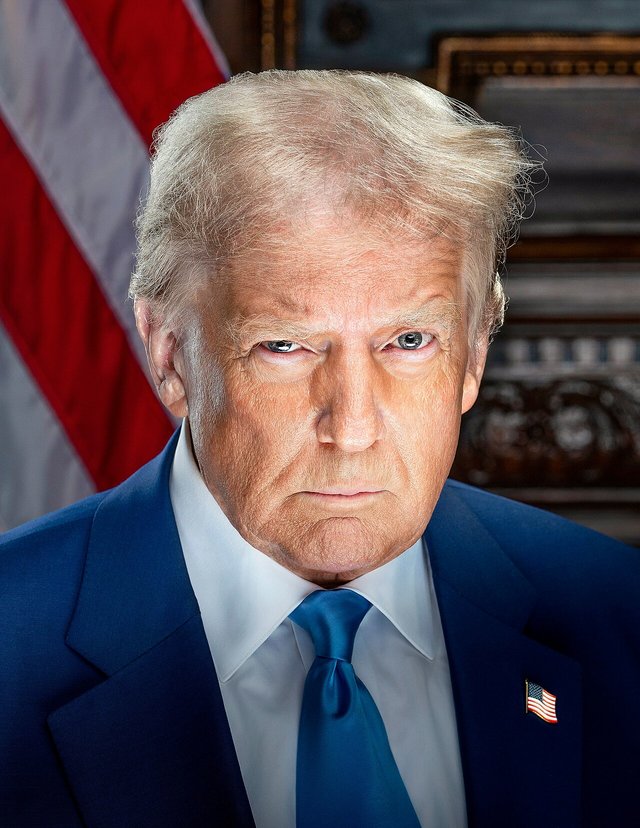 Donald Trump — President, directing the war
 -
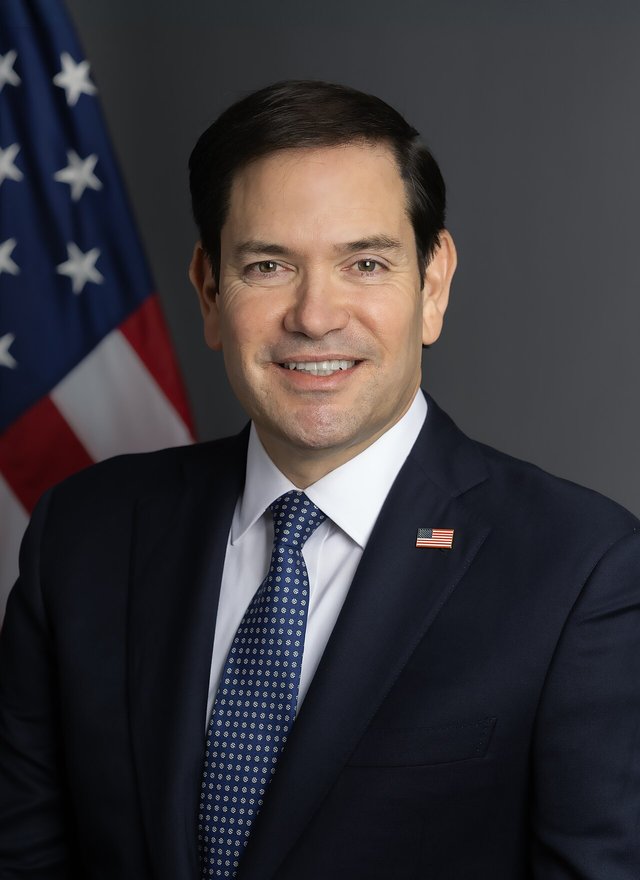 Marco Rubio — Secretary of State and National Security Advisor (dual role)
 -
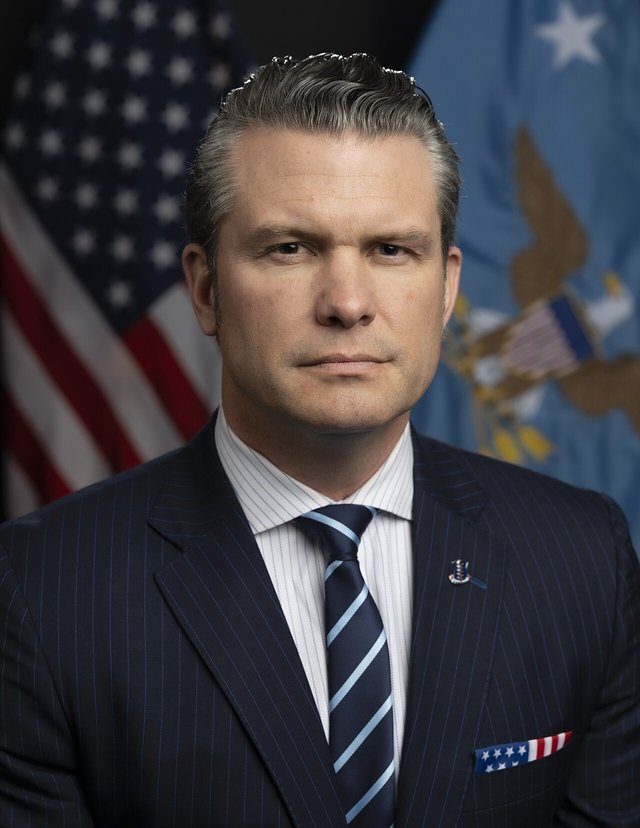 Pete Hegseth — Secretary of Defense
 -
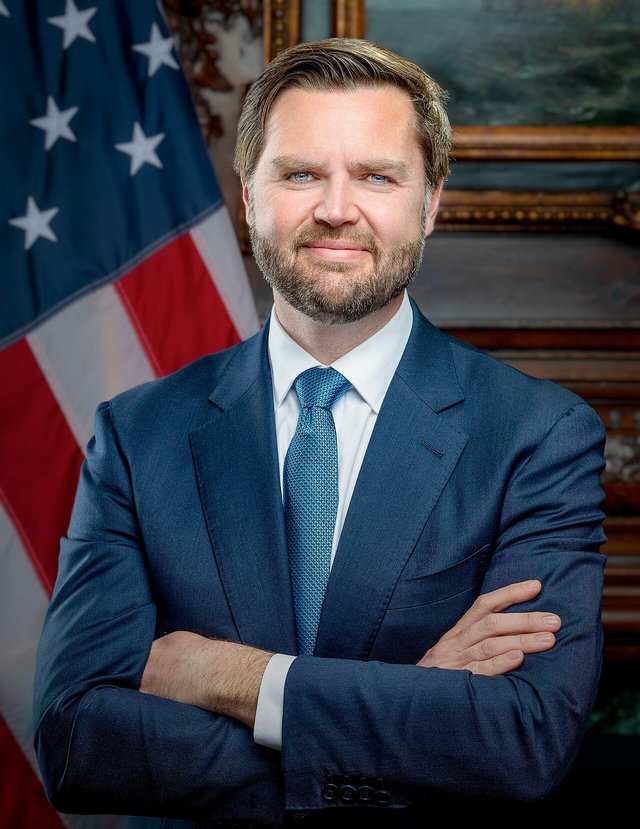 JD Vance — Vice President, initially counseled caution
 -
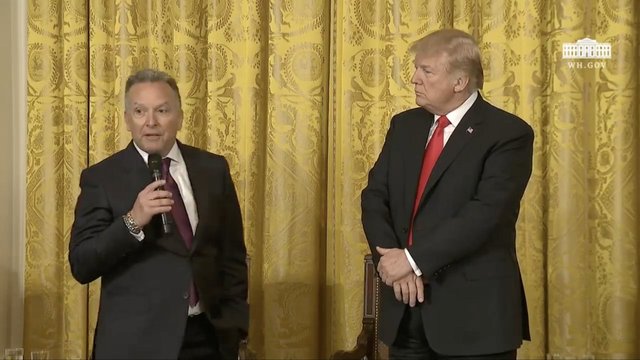 Steve Witkoff — Special envoy, led Oman negotiations, rumored 'de facto consigliere'
 -
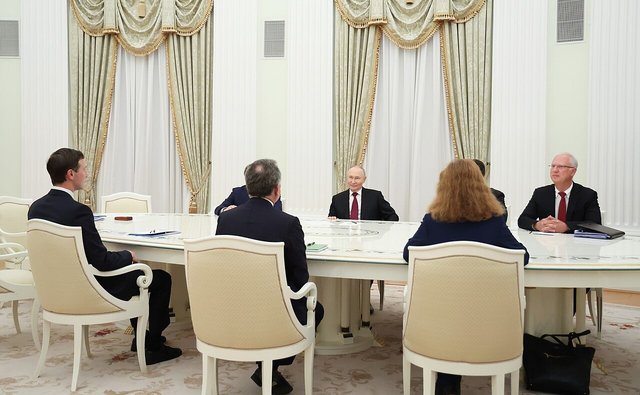 Jared Kushner — Advisor, involved in Iran strategy
 -
DCDan Caine — Chairman of Joint Chiefs, Trump's dominant military advisor
-
JRJohn Ratcliffe — CIA Director
-
MWMike Waltz — Fired as National Security Advisor, moved to UN
-
BNBenjamin Netanyahu — Israeli Prime Minister
-
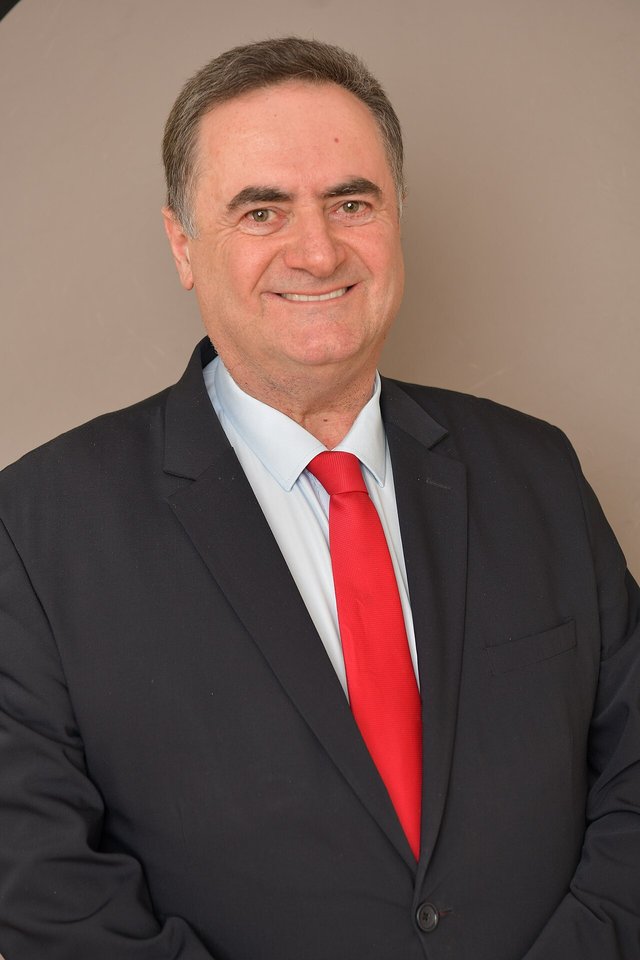 Israel Katz — Israeli Defense Minister
 -
BCBrad Cooper — Admiral, CENTCOM chief, bridge between US and Israeli militaries
Donald Trump is at the center. He wanted a deal with Iran — said so publicly, repeatedly. When the strikes happened on February 28, his administration's messaging shifted day by day. Was this planned? Was it retaliation? Was it preemptive? The narrative changed depending on who was talking. That confusion traces back to the room around him.
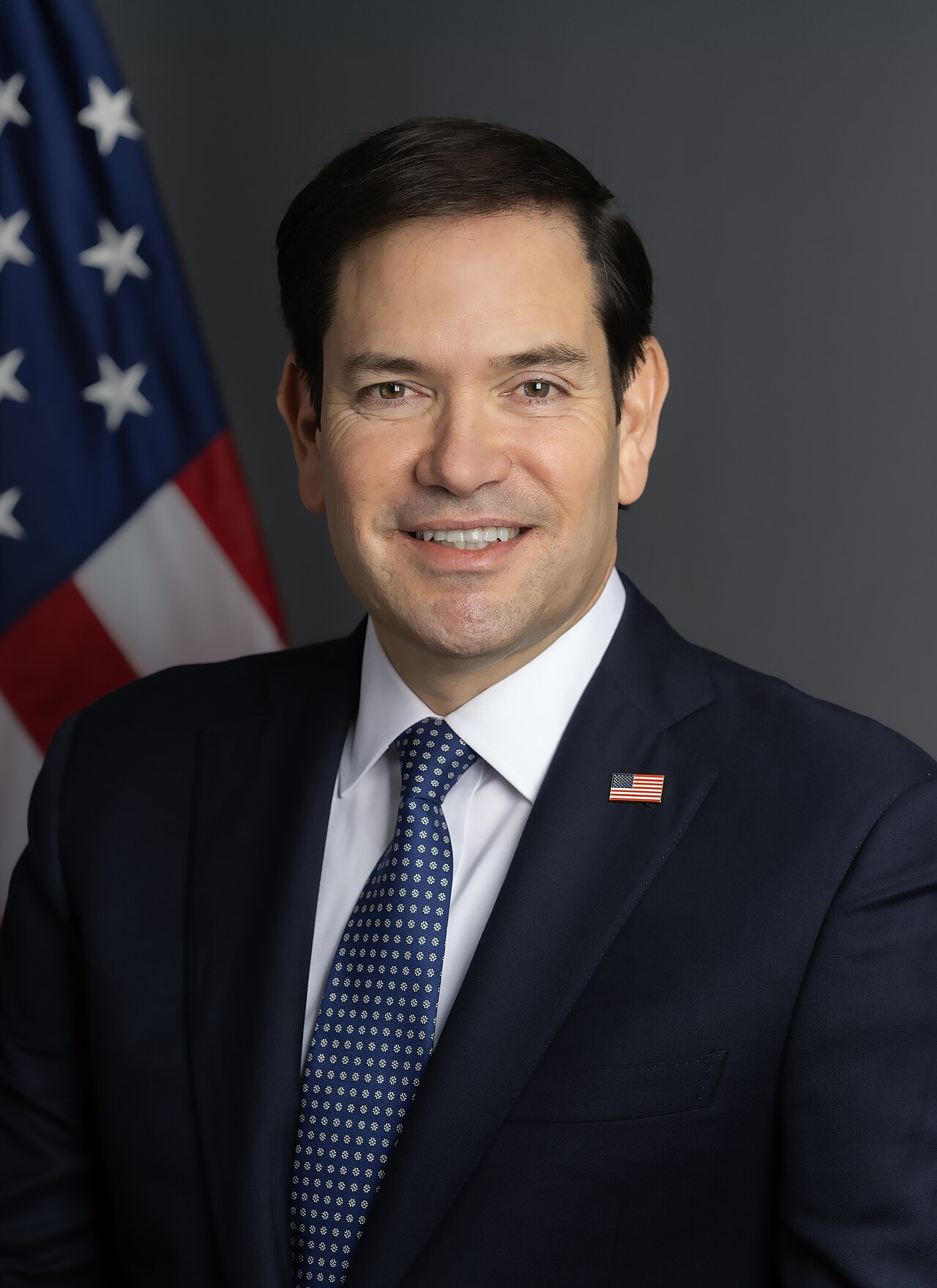
Marco Rubio is the most overextended person in the administration. He's Secretary of State, which is a full-time job running American diplomacy. After Trump fired Mike Waltz as National Security Advisor, Rubio picked up that role too. He now manages both the diplomatic and national security apparatus during a war. Whether Trump genuinely trusts him to run both, or whether Rubio is a placeholder while someone else operates behind the scenes, depends on who you ask.
Mike Waltz was the first casualty inside the administration. He was Trump's National Security Advisor until he wasn't. Trump moved him to the UN — a lateral reassignment that reads as a firing. What Waltz did or didn't do that led to his removal hasn't been fully explained. What's clear is that his departure left a gap that Rubio filled, and that the NSC has been restructured since.
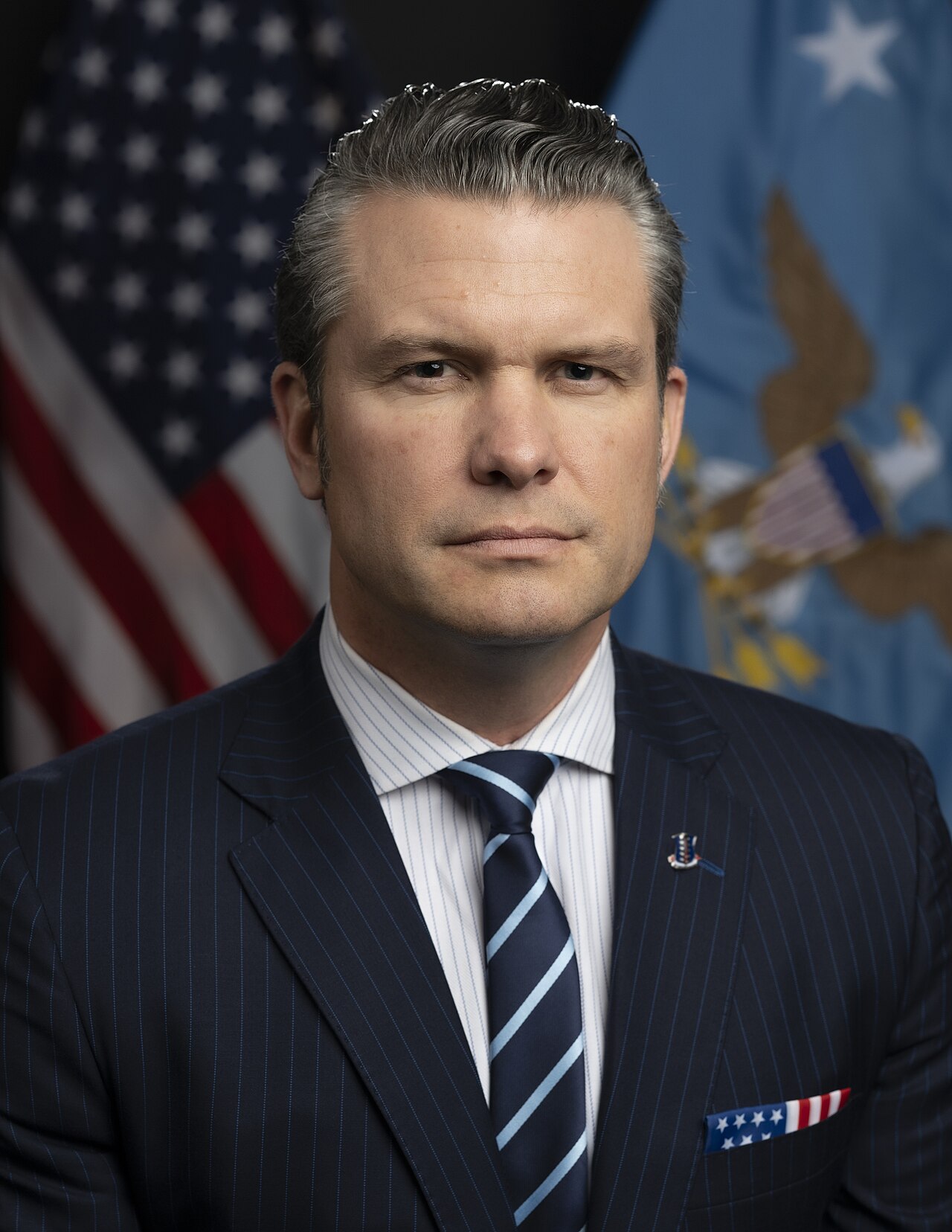
Pete Hegseth runs the Department of Defense. A former Fox News host, he's now overseeing the deployment of 2,000 soldiers from the 82nd Airborne to the Middle East, with discussions about sending up to 10,000 more. He, Rubio, CIA Director John Ratcliffe, and General Dan Caine gave classified briefings to the full Senate and then the full House.
General Dan Caine is the Chairman of the Joint Chiefs of Staff and, according to reporting, Trump's dominant military advisor on Iran. He's the person translating presidential decisions into military operations. He reportedly warned about the risks of striking Iran before the February 28 operation went forward.
Then there's Steve Witkoff. A real estate developer and longtime Trump friend, Witkoff was named special envoy and led the first round of high-level negotiations with Iran in Oman in April 2025. His name circulates in Trump's orbit as a quiet operator with growing influence. Some in Washington believe he's the de facto national security consigliere — the person Trump actually listens to when the doors are closed.
Jared Kushner is in the room too. Trump's son-in-law was photographed meeting with Putin's team alongside Witkoff. His exact role in the Iran war isn't publicly defined, but his involvement in Middle East strategy goes back to the first Trump administration. He's connected to everyone: Trump by family, Witkoff by business, Netanyahu by years of personal relationship.
On the Israeli side, Benjamin Netanyahu makes the decisions. Israel Katz, his defense minister, oversees the military execution. Lt. Gen. Eyal Zamir is the IDF Chief of Staff, running the operations that killed Khamenei and his top commanders. The coordination between Israeli and American militaries runs through Admiral Brad Cooper, the CENTCOM chief, who has met directly with Zamir and other Israeli generals.
JD Vance is the person in the room who said wait. Before the strikes, Vance and others in Trump's inner circle — including Rubio — reportedly counseled caution on Iran. They preached restraint. Then the strikes happened and everyone got on board. Vance's shift from caution to support is one of the less-examined dynamics in the administration. Whether he was overruled, persuaded, or simply adapted is unclear.
That's the room. A president who wanted a deal. A secretary of state doing two jobs. A fired advisor. A defense secretary from cable news. A general who warned about risks. A real estate developer who might be the most important person nobody elected. A son-in-law with ties to everyone. And on the other side of a secure line, an Israeli prime minister, his defense chief, and the generals who carried out the strikes that changed the region.