Kaley started watching YouTube when she was six years old. By nine, she was on Instagram. By her teens, she couldn't stop. The depression got worse. The suicidal thoughts got worse. Her mother Karen Glenn watched it happen and did the thing most parents only fantasize about — she sued.
Who's Who?
-
KKaley — The plaintiff, 20, started YouTube at 6 and Instagram at 11
-
KGKaren Glenn — Kaley's mother, co-plaintiff, decided to fight back
-
MLMark Lanier — Lead plaintiff attorney, one of the top civil lawyers in the US
-
JCJudge Carolyn B. Kuhl — Presiding judge, LA Superior Court
-
VVictoria — Juror who spoke publicly: 'We wanted them to feel it'
-
LSLori Schott — Mother of Annalee, who died by suicide. Watched the verdict from the courtroom
-
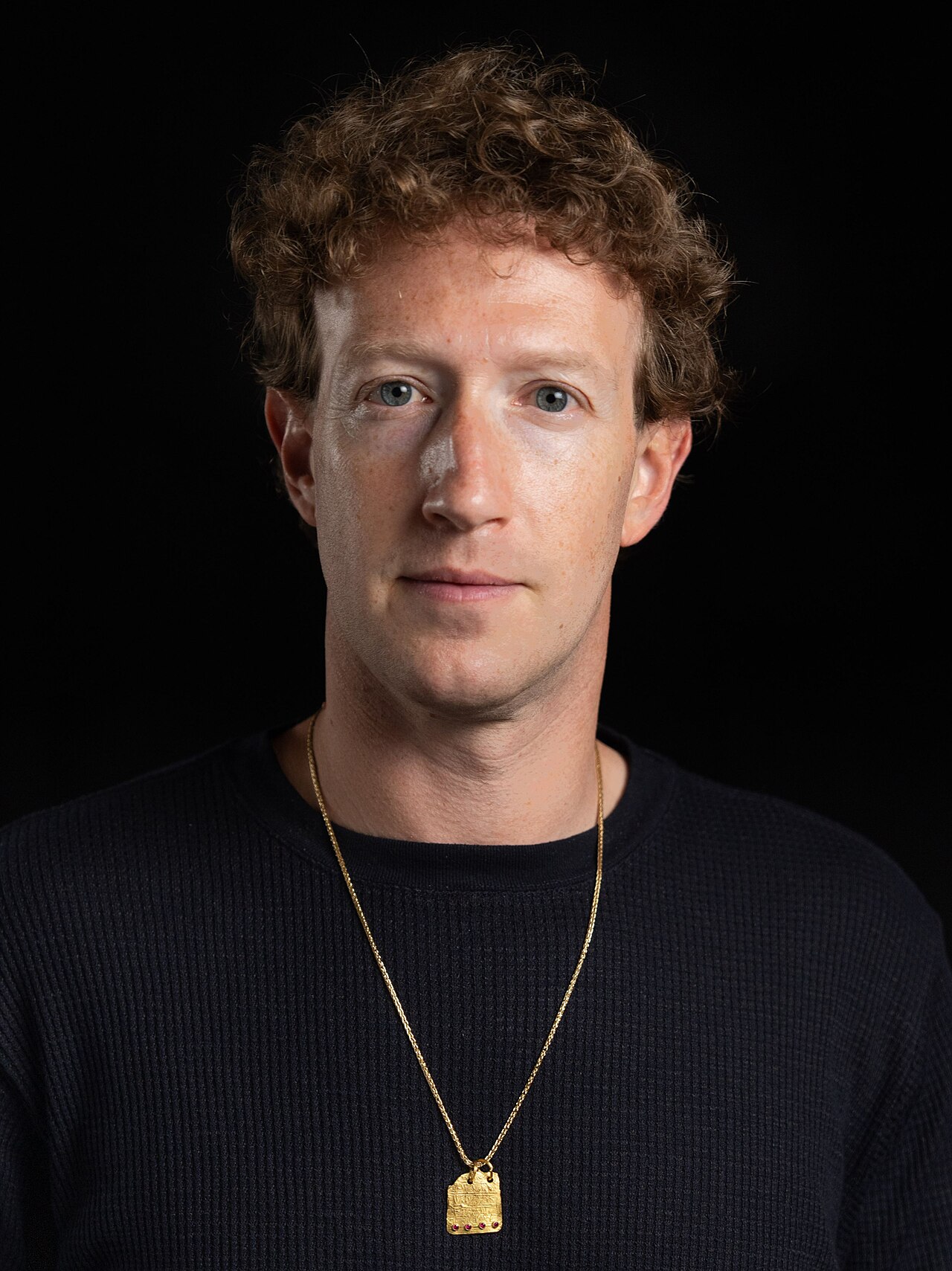
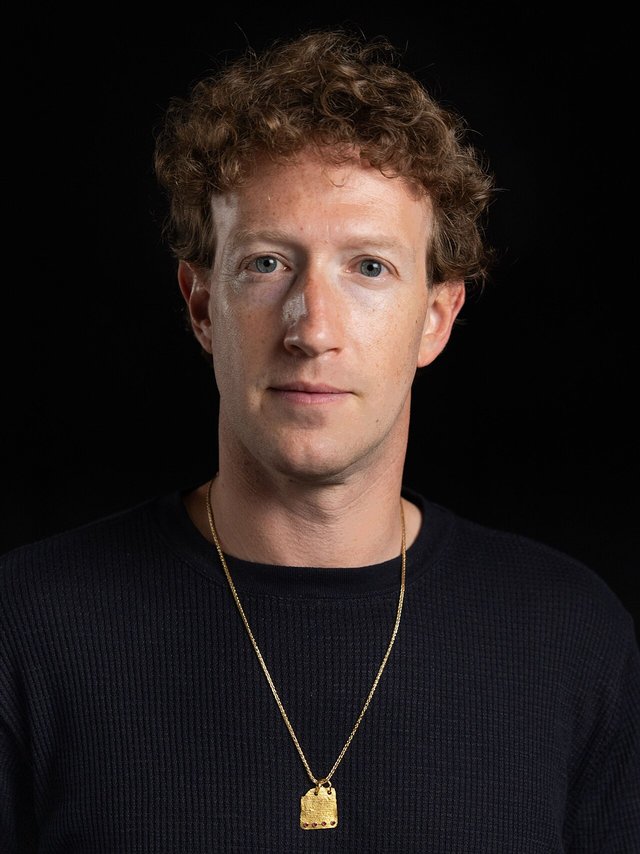 Mark Zuckerberg — Meta CEO, testified before a jury for the first time
 -
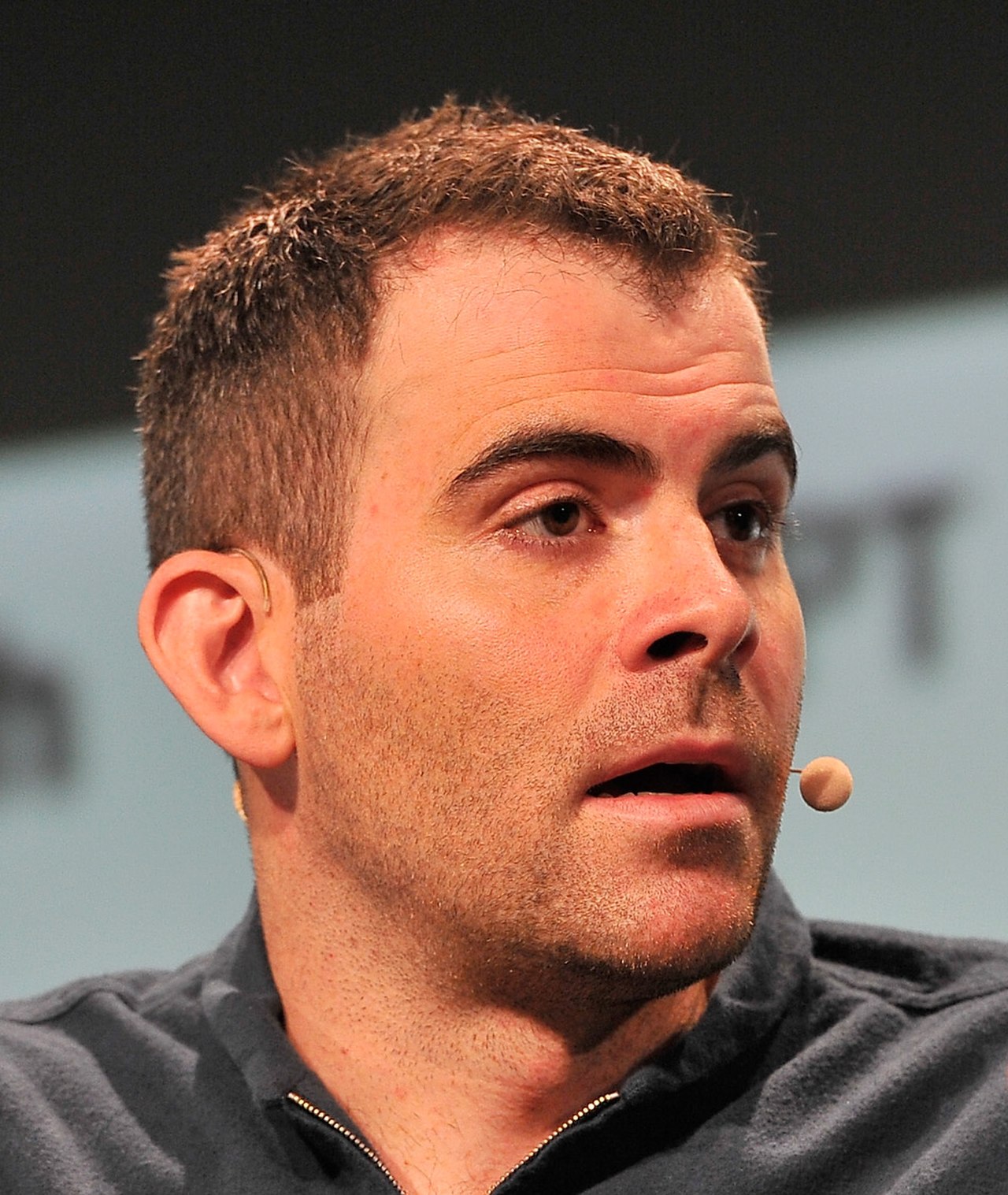
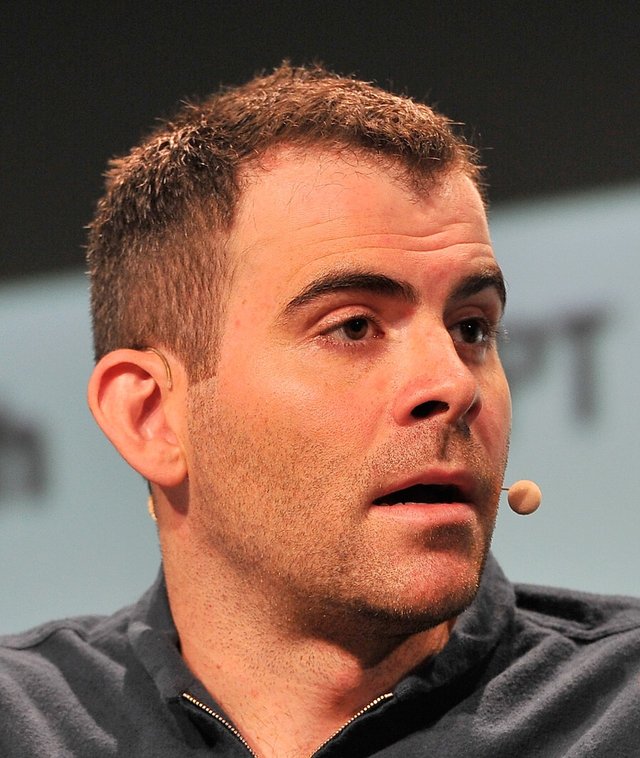 Adam Mosseri — Instagram CEO, testified at trial
 -
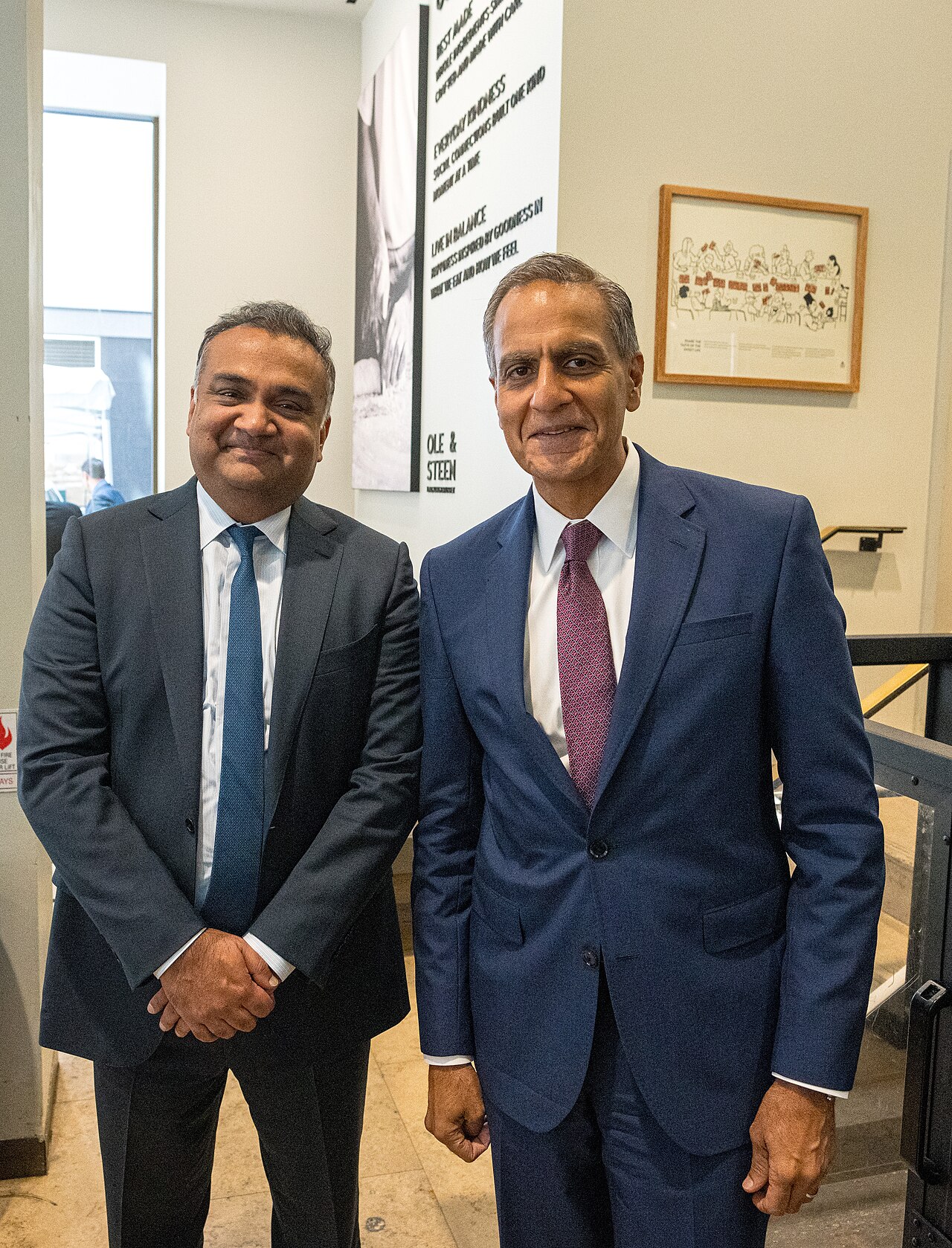
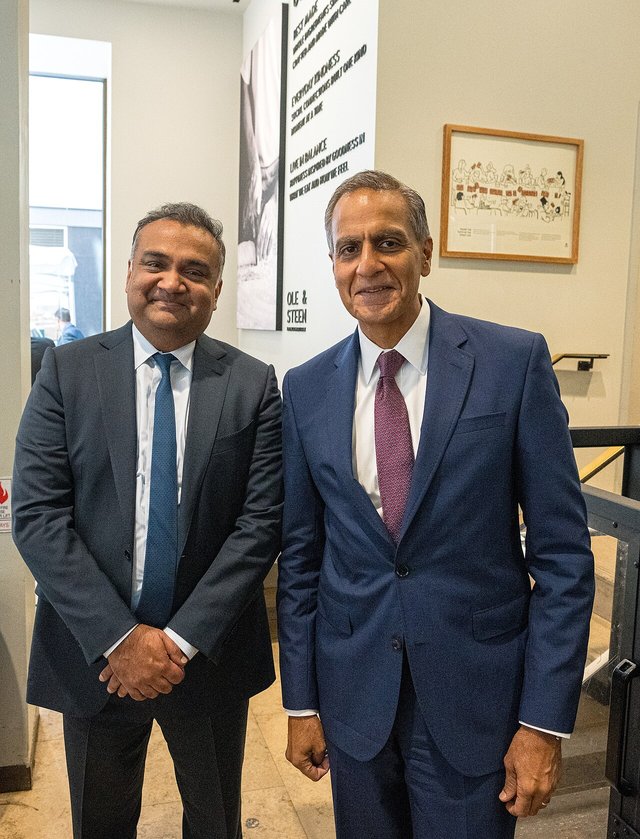 Neal Mohan — YouTube CEO
 -
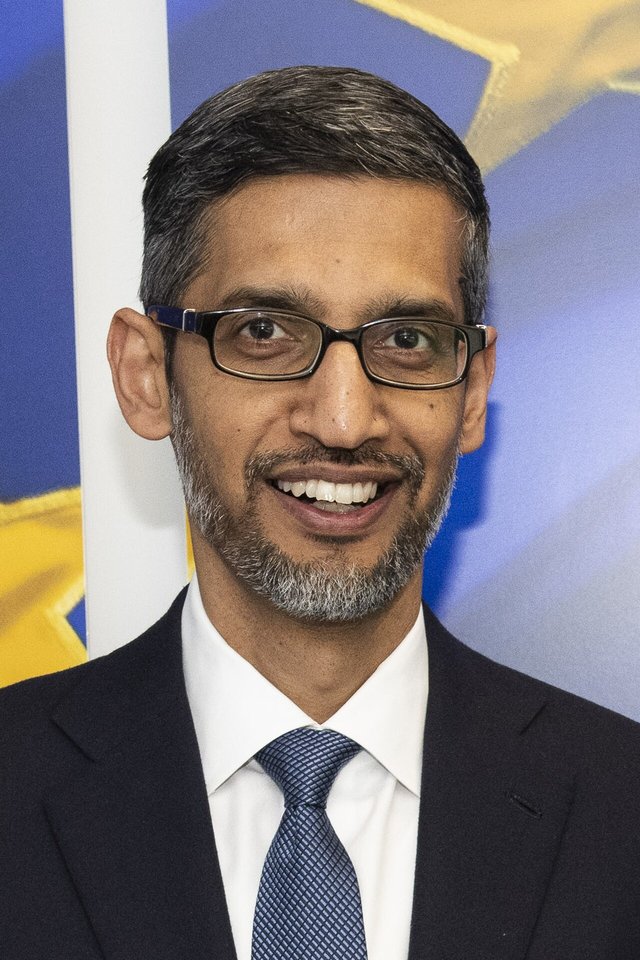 Sundar Pichai — Google/Alphabet CEO, oversees YouTube
The trial opened February 9 in the Stanley Mosk Courthouse in downtown Los Angeles. On one side: a 20-year-old woman from Chico, California, identified in court only by her initials KGM, and her mother. On the other: legal teams representing two of the most powerful companies on earth. The case was a bellwether — the first of more than 2,000 similar lawsuits to reach a jury. Whatever happened here would shape everything that came after.
Karen Glenn isn't a public figure. Before this trial, she was a mother in a small Northern California city doing what parents do — trying to keep her kid safe in a world that wasn't cooperating. She became a co-plaintiff because she believed the platforms that her daughter couldn't put down were designed to be that way. That they knew. That they chose not to fix it.
The family's lawyer was Mark Lanier, a Texas Tech Law graduate widely considered one of the best civil trial attorneys in the country. Lanier is known for mass tort cases — he's the kind of lawyer companies don't want to see across the courtroom. During the trial, he brought a cupcake into court to illustrate a point about the judge's jury instructions. It was the kind of move that made headlines, but the substance underneath was serious: he argued that Meta and YouTube deliberately designed their platforms to hook young users and knew the harm they were causing.
Mark Zuckerberg took the stand on February 18 — the first time he'd ever testified before a jury. Not a Senate hearing with prepared statements and five-minute rounds, but a real courtroom where a real person was saying his company hurt her. Adam Mosseri, the head of Instagram, also testified. The jury heard from both of them and wasn't impressed. One juror later said Zuckerberg's testimony 'changed it back and forth' and didn't 'sit well.'
On the other side of the table sat the people who built YouTube. Neal Mohan took over as CEO in 2023, inheriting a platform that the jury would eventually find negligent. Above him sits Sundar Pichai, who runs Alphabet, Google's parent company. And above Pichai, the founders — Sergey Brin and Larry Page, who started Google in a Stanford dorm room and built the infrastructure that YouTube now runs on. None of them were in the courtroom. But their decisions were.
Judge Carolyn B. Kuhl presided over a trial with global implications. She managed a courtroom full of high-powered attorneys, a parade of executives, and a plaintiff who had to describe the worst years of her life in front of strangers. It lasted over a month.
The jury deliberated for more than 40 hours. When they came back, they found both companies negligent. They awarded Kaley $3 million in compensatory damages and another $3 million in punitive damages — Meta responsible for 70%, YouTube for 30%. A juror named Victoria spoke to reporters outside: 'We wanted them to feel it. We wanted them to realize this was unacceptable.'
Lori Schott was in the courtroom when the verdict was read. She isn't a plaintiff in this case. She's a mother from Colorado whose daughter Annalee, 18, died by suicide after social media worsened her depression and anxiety. Lori said she was shaking. 'I have spent a lot of emotion and tears in that courtroom,' she told reporters. 'And today I didn't hold any back.' She said she was 'elated for parents and children all around the world.' She represents the 2,000 families still waiting for their turn.
Meta said it 'respectfully disagrees with the verdict.' Google said it 'plans to appeal.' Six million dollars is pocket change for companies worth hundreds of billions. But the verdict isn't about the money. It's about what a jury of twelve ordinary people said when they were shown how the platforms work, who they hurt, and what the people in charge knew. They said it was unacceptable. And now 2,000 other families are next in line.