On the afternoon of March 31, on a street corner near the Palestine Hotel in central Baghdad, two men approached Shelly Kittleson, ushered her into the back of a car, and drove away. The CCTV footage shows a brief struggle to close the door. Four men, two cars, and then nothing. By evening, a 72-year-old woman in Mount Horeb, Wisconsin, was learning from a news report that her daughter had been taken.
Who's Who?
-
SKShelly Kittleson — American journalist kidnapped in Baghdad on March 31, 2026
-
BKBarb Kittleson — Shelly's mother, lives in Mount Horeb, Wisconsin
-
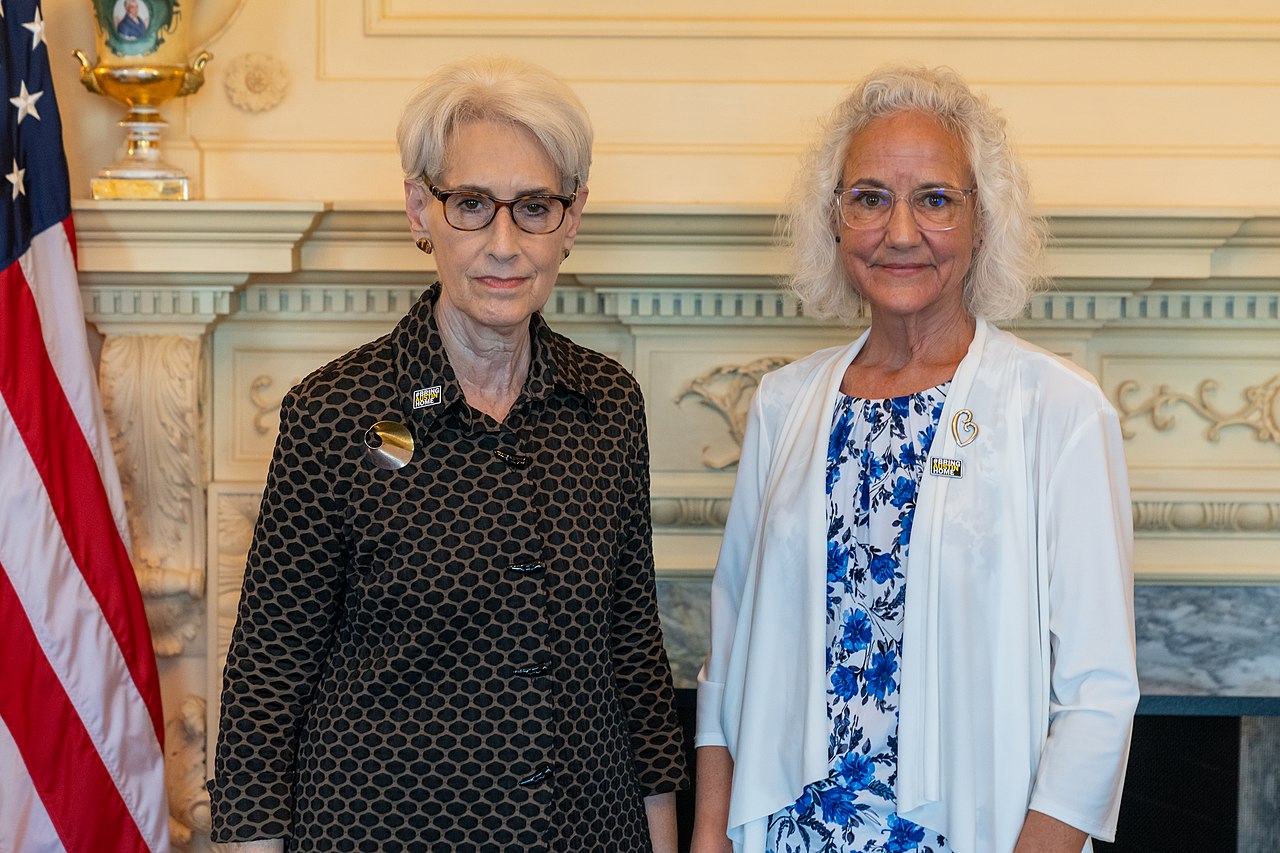
 Debra Tice — Mother of Austin Tice, missing in Syria since 2012, advocate for 14 years
 -
DFDiane Foley — Mother of James Foley, killed by ISIS in 2014, founded the Foley Foundation
-
MPMariane Pearl — Wife of Daniel Pearl, was six months pregnant when he was taken in Pakistan
-
PSPeggy Say — Sister of Terry Anderson, held hostage in Lebanon for nearly seven years
-
SASulome Anderson — Terry Anderson's daughter, born three months after his kidnapping, never saw him until his release
Shelly Kittleson is 49 years old. She left Darlington, Wisconsin, at 19, moved to Italy, and eventually found her way to the wars she couldn't stop covering. She's spent two decades reporting from Iraq, Syria, and Afghanistan for Al-Monitor, the BBC, Foreign Policy, and others — the kind of gutsy, low-budget journalism that means taking shared taxis to corners of Iraq where militia rule outweighs government control. The FBI warned her multiple times to leave. The State Department called her the night before. Her name was on a list held by Kataib Hezbollah. She stayed anyway.
Her mother Barb learned about the kidnapping the way no parent should — from a television screen. The FBI came to her house that night. 'Journalism is what she wanted to do so bad,' Barb told reporters. 'I wanted her to come home and not do it, but she said, I'm helping people.' Barb is not the first mother to sit in a quiet house and wait for news from a place she's never been. She won't be the last.
There is a particular kind of grief that belongs to the families of kidnapped journalists. It's not the grief of loss — not yet, not always — but the grief of not knowing. Of waking up every morning to the same silence. Of becoming, whether you wanted it or not, the public face of someone else's captivity. The history of journalist kidnappings is, at its heart, a history of the people who waited.
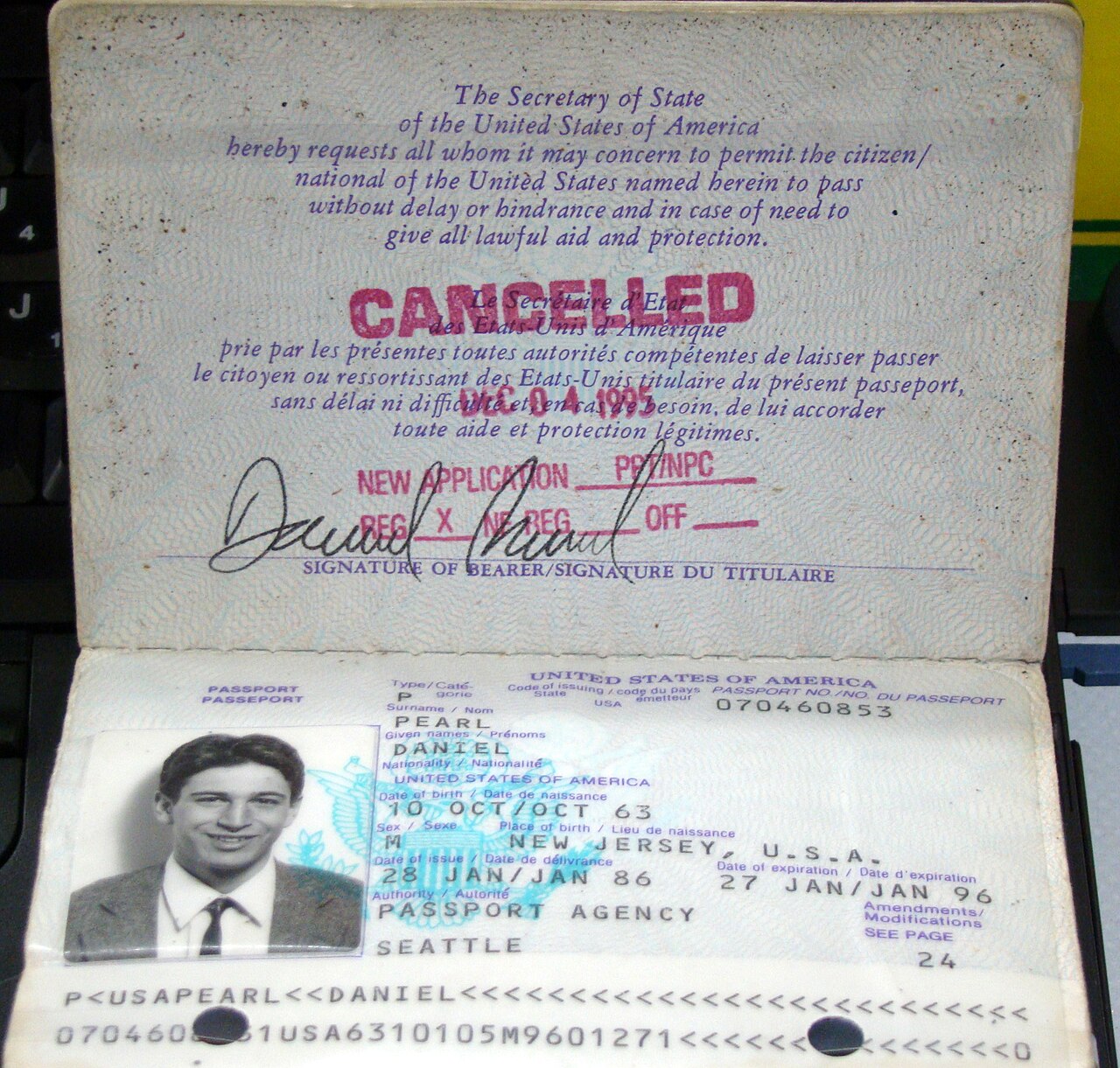
Mariane Pearl was six months pregnant when her husband Daniel, the Wall Street Journal's South Asia bureau chief, was kidnapped in Karachi, Pakistan, in January 2002. He'd been investigating links between Pakistani militants and the shoe bomber Richard Reid. Their son Adam was born three months after Daniel was murdered. Mariane wrote A Mighty Heart, turned her grief into advocacy, and kept working as a journalist. Daniel's parents, Judea and Ruth Pearl, founded the Daniel Pearl Foundation. In 2010, President Obama signed the Daniel Pearl Freedom of the Press Act into law. A family's worst nightmare became the reason the U.S. government tracks press freedom worldwide.
Peggy Say was a sister in Ohio when her brother Terry Anderson, the AP's chief Middle East correspondent, was grabbed off a Beirut street after a morning tennis game in March 1985. What followed was 2,454 days — nearly seven years — of captivity. Peggy became the campaign. She met with presidents, traveled to Syria and Lebanon, sat across from Vatican officials and UN negotiators. She wrote a book called Forgotten, because that's what she was afraid would happen. Terry's fiancée Madeleine Bassil was pregnant when he was taken. Their daughter Sulome was born three months later. He didn't meet her until he walked free in December 1991. Sulome grew up, became a journalist herself, and wrote The Hostage's Daughter. Terry Anderson died in April 2024, at 76, in rural Virginia — a free man for his final 33 years.
Diane Foley's son James was a freelance reporter in Syria when ISIS captured him in November 2012. He'd already been detained in Libya the year before. She waited nearly two years. In August 2014, ISIS released a video of his execution. He was 40. Diane could have disappeared into grief. Instead, she built the James W. Foley Legacy Foundation and publicly challenged the U.S. government's no-ransom policy, its lack of coordination, its threats against families who explored paying for their children's lives. Her advocacy directly led to structural changes — the creation of a Special Presidential Envoy for Hostage Affairs and the FBI's Hostage Recovery Fusion Cell. James Foley's death changed how America responds when its people are taken.
And then there is Debra Tice. Her son Austin — a Marine Corps captain, Georgetown law student, freelance reporter — disappeared near Damascus in August 2012. A 47-second video surfaced six weeks later. No group has ever claimed responsibility. That was fourteen years ago. Debra has outlasted three presidential administrations. She spent 83 days in Damascus in 2014 searching for information. She traveled back after Assad fell in 2024. When a former Syrian official told CNN that Assad had ordered Austin's execution, the family demanded evidence. An FBI polygraph test suggested the official was lying. Debra's position has never changed: her son is alive until someone proves otherwise. Fourteen years of that.
The numbers behind these stories are staggering. The Committee to Protect Journalists has documented 283 journalists and media workers killed in Iraq alone. At least 37 foreign reporters were abducted there between 2003 and 2008. Globally, 330 journalists were behind bars as of December 2025 — the third-highest count since CPJ began keeping records. Ninety journalists are listed as missing worldwide. Shelly Kittleson is the first American journalist abducted anywhere in over a decade.
Jill Carroll, a freelance reporter for the Christian Science Monitor, was kidnapped in western Baghdad in January 2006. Her Iraqi translator was killed in the ambush. She was the 36th foreign journalist taken in Iraq since the invasion. She was held 82 days and released unharmed. Giuliana Sgrena, an Italian journalist, was kidnapped in Baghdad in February 2005. When she was finally freed, the car carrying her to the airport was fired on by American troops. The Italian intelligence agent who had negotiated her release, Nicola Calipari, was killed shielding her with his body. Every one of these stories has someone who didn't come home, or someone who almost didn't, or someone who came home changed.
Back in Mount Horeb, Barb Kittleson is doing what Mariane Pearl did, what Peggy Say did, what Debra Tice has done for fourteen years, what Diane Foley did until the worst possible phone call came. She is waiting. She is hoping. She is learning, in the most brutal way, that the story her daughter spent her life telling — about people in impossible places, doing impossible things — is now her own.