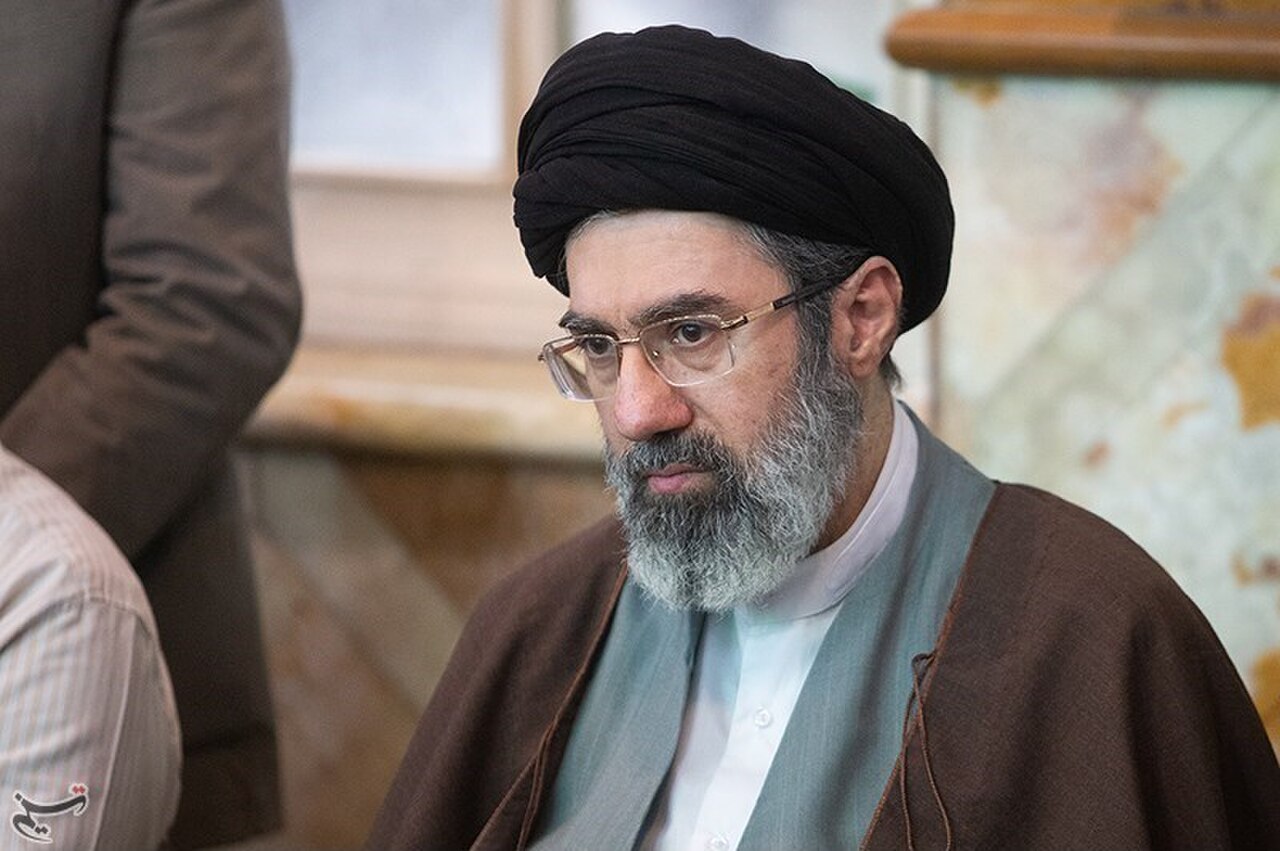
On February 28, 2026, an Israeli air strike hit the compound of Iran's Supreme Leader Ali Khamenei. He was killed. So were his defense minister Aziz Nasirzadeh, his armed forces chief of staff Mohammad Bagheri, IRGC commander Hossein Salami, and Defence Council secretary Ali Shamkhani. In a single strike, the top layer of Iran's military and political leadership was gone.
Who's Who?
-
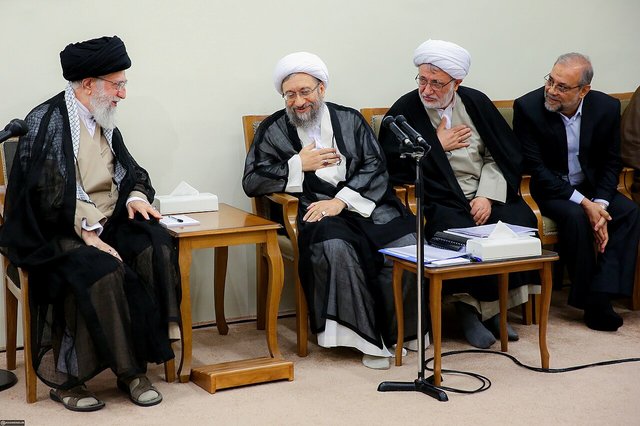 Ali Khamenei — Supreme Leader, assassinated February 28
 -
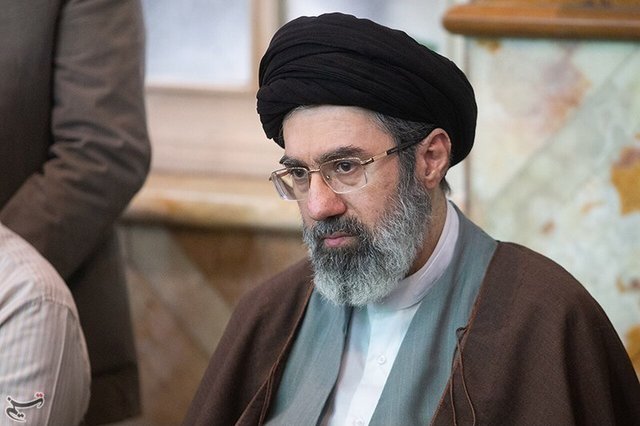 Mojtaba Khamenei — Ali's son, new Supreme Leader, hasn't appeared publicly
 -
ZHZahra Haddad Adel — Mojtaba's wife, killed in the same strike
-
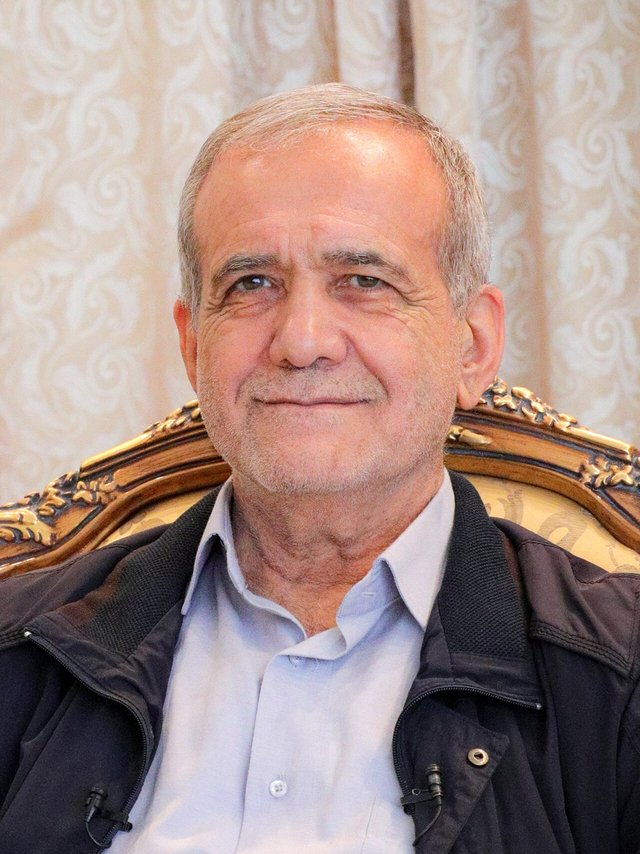 Masoud Pezeshkian — President of Iran, pledged allegiance to Mojtaba
 -
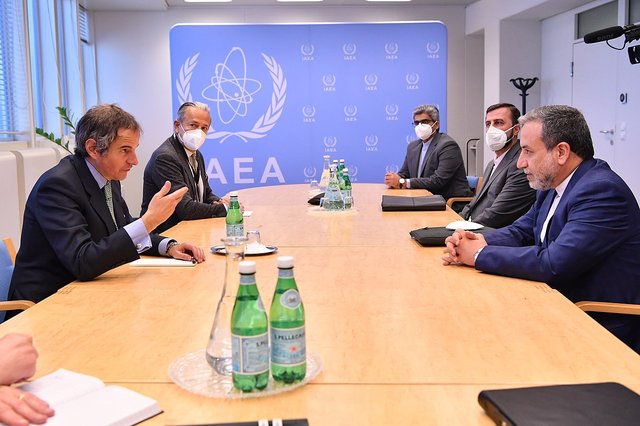 Abbas Araghchi — Foreign Minister, Iran's lead negotiator
 -
AVAhmad Vahidi — IRGC chief, now among the most powerful men in the country
-
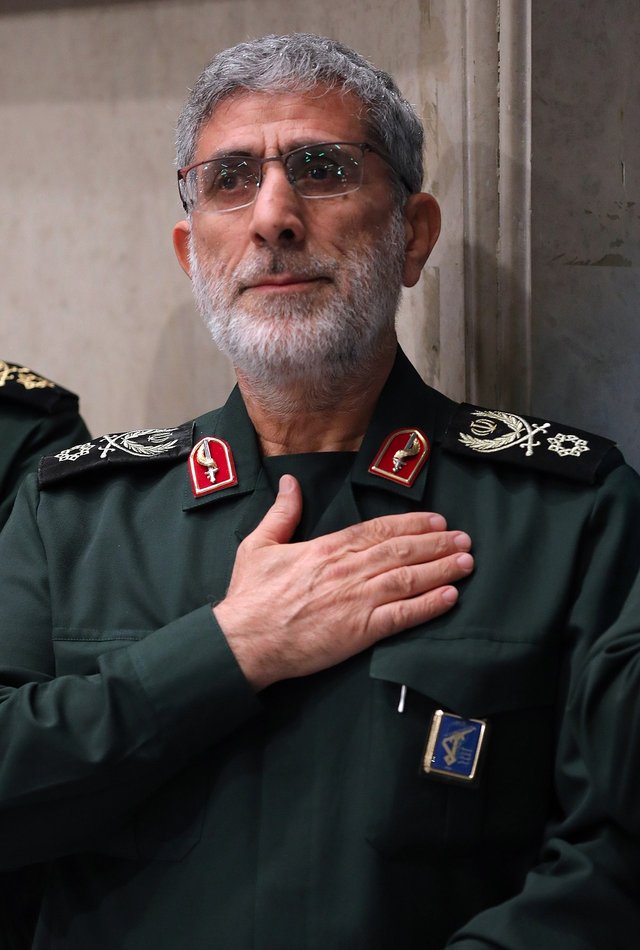 Esmail Qaani — Quds Force commander
 -
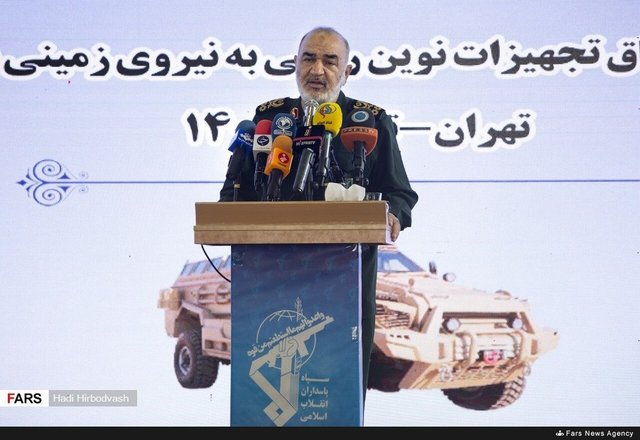 Hossein Salami — IRGC commander, killed February 28
 -
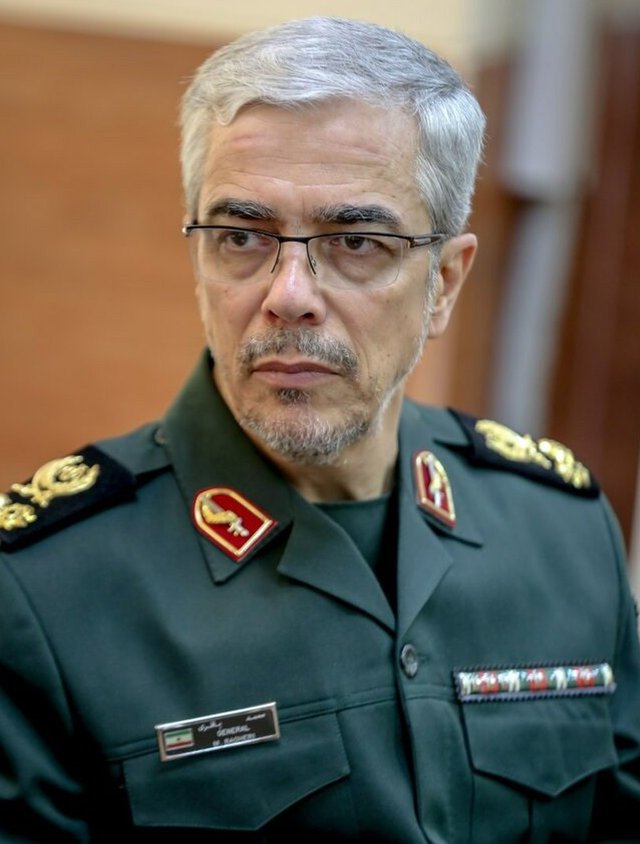 Mohammad Bagheri — Armed Forces Chief of Staff, killed February 28
 -
ANAziz Nasirzadeh — Defense Minister, killed February 28
-
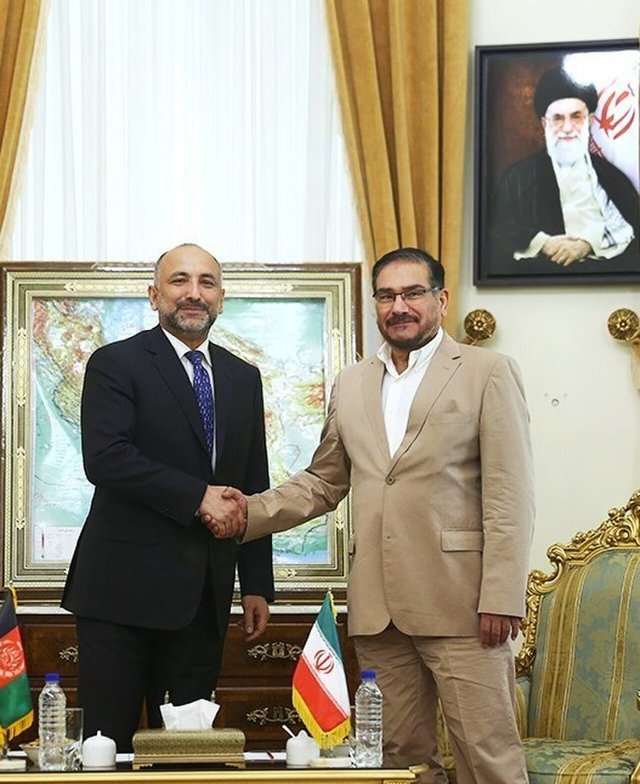 Ali Shamkhani — Defence Council secretary, killed February 28
 -
ALAli Larijani — Head of Supreme National Security Council, killed by Israel
Ten days later, Ali Khamenei's second son, Mojtaba, was elected Supreme Leader by the Assembly of Experts. He was 56 years old. He had never held public office. For decades he'd been described in US diplomatic cables as 'the power behind the robes' — the person who quietly influenced elections, crushed dissent, and maintained his father's grip on the state. Now the robes were his.
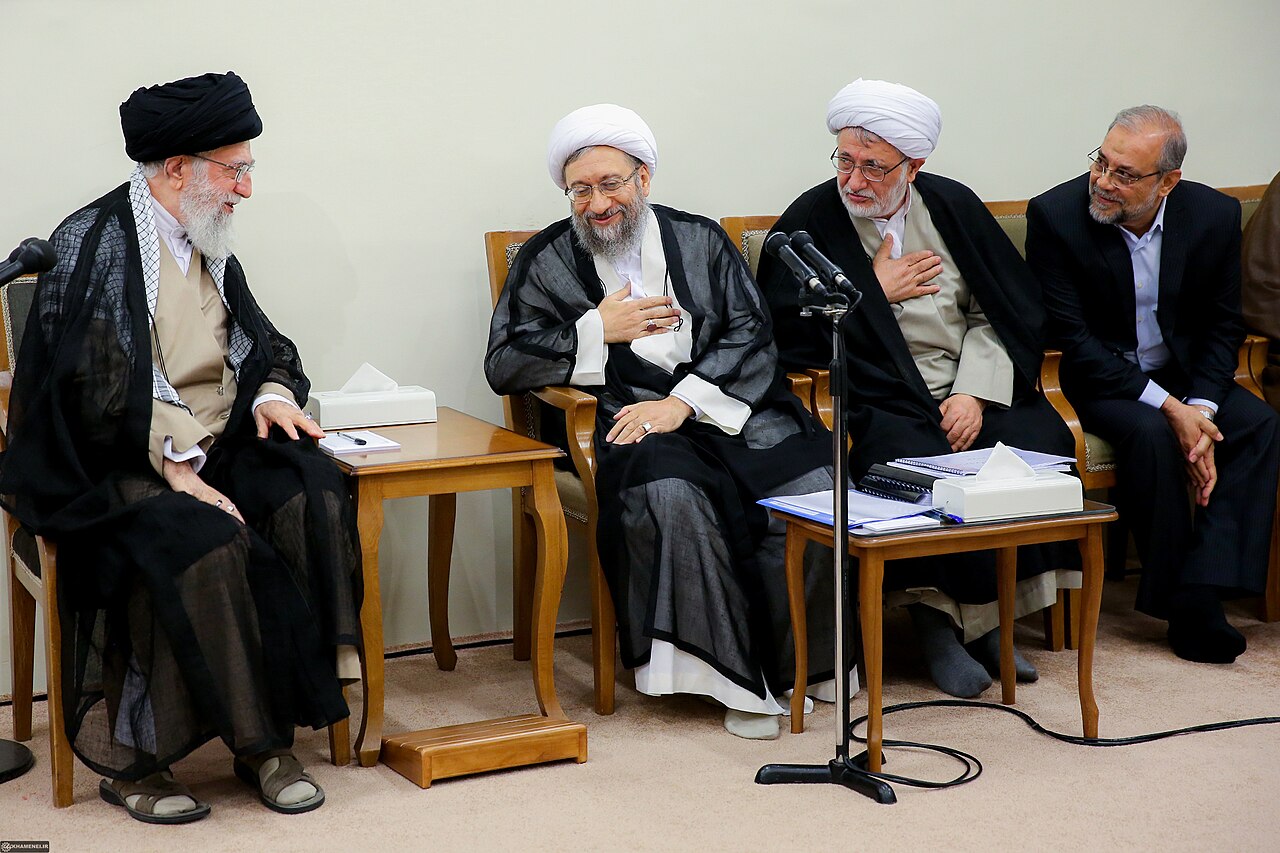
The strike didn't just kill Mojtaba's father. Iranian state media reported that his wife Zahra Haddad Adel, his mother, his sister, and his brother-in-law were all killed in the same attack. Zahra was the daughter of Gholam-Ali Hadad-Adel, a former parliament speaker and one of the most prominent hardliners in Iran. In a single day, Mojtaba lost his family and inherited a country at war.
He has not appeared publicly since taking power. His first statement as Supreme Leader was issued in writing, not on camera. Whether that reflects security concerns, grief, injury, or a deliberate choice is unknown. The people around him are left to interpret his silence.
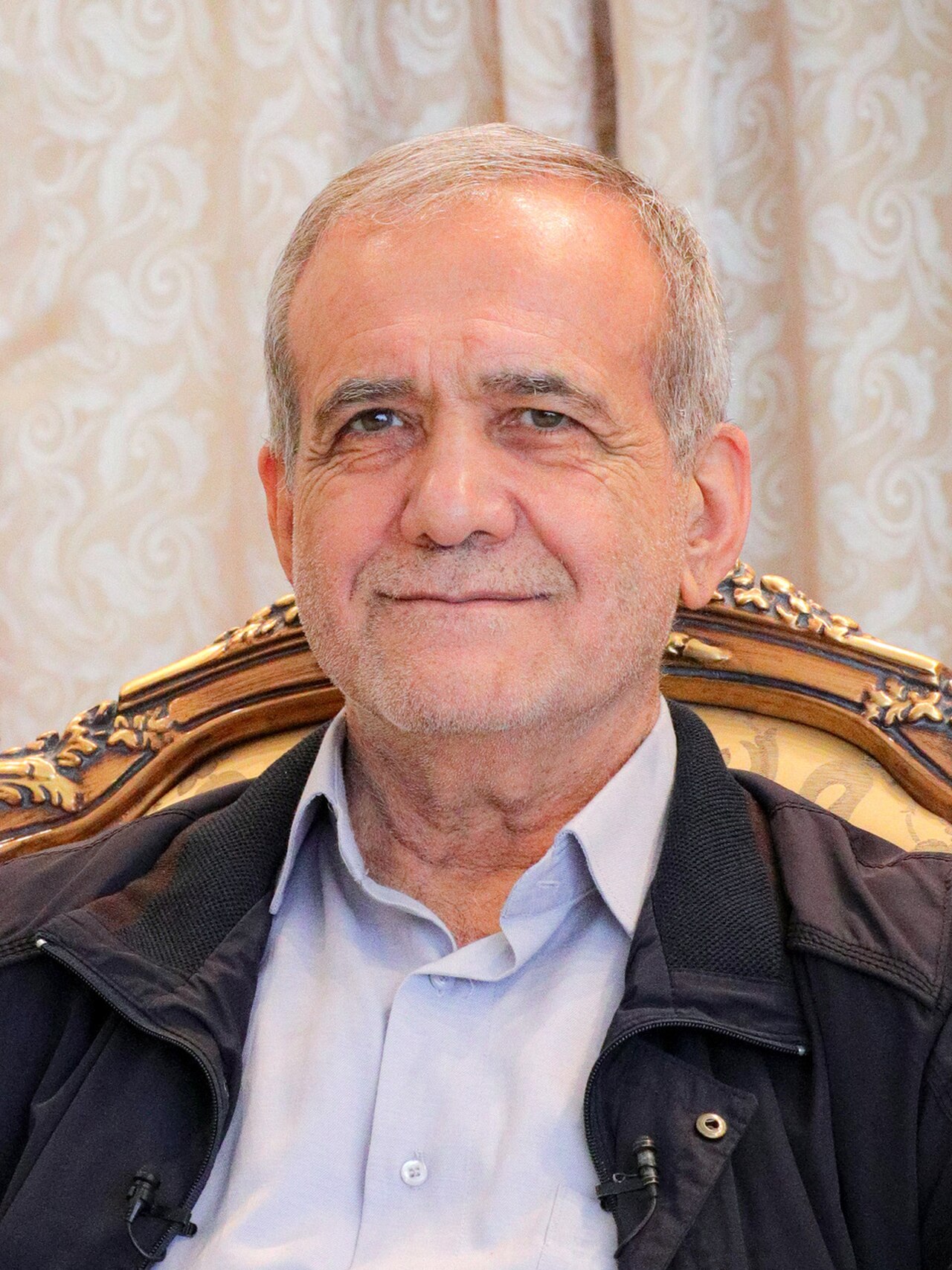
President Masoud Pezeshkian was elected in 2024 as a relative moderate. He pledged allegiance to Mojtaba immediately. In Iran's system, the president manages domestic policy but answers to the Supreme Leader on military and foreign affairs. Pezeshkian's role in wartime is to keep the country running while someone else decides whether to fight or negotiate.
Abbas Araghchi, the foreign minister, is Iran's face to the outside world. He has acknowledged that messages have been exchanged with the US through intermediaries, primarily through Oman. Before the war, negotiations over Iran's nuclear program were reportedly making progress. Now Araghchi is negotiating from a position of weakness, with most of his country's military leadership dead.
Ahmad Vahidi now runs the IRGC, the most powerful military institution in Iran. Esmail Qaani commands the Quds Force, the IRGC's external operations arm — the unit that manages Iran's proxy networks across the Middle East. These two men, more than anyone else alive in Tehran, control Iran's ability to project force. Whether they answer to Mojtaba, or Mojtaba answers to them, is the question nobody outside Iran can definitively answer.
The men who were killed had spent decades building Iran's military apparatus. Hossein Salami commanded the entire IRGC. Mohammad Bagheri ran the armed forces. Ali Shamkhani sat at the center of national security decisions. Ali Larijani — killed separately by an Israeli strike — ran the Supreme National Security Council. These weren't replaceable bureaucrats. They were the institutional knowledge of how Iran wages war.
A month later, the question isn't whether Iran has a leader. It's whether anyone is actually in charge. A Supreme Leader who won't appear in public. A president with limited wartime authority. A foreign minister negotiating from rubble. Two military commanders holding what's left of the apparatus together. And 3,000 to 4,000 soldiers and commanders dead, according to Israeli estimates. That's the power vacuum.