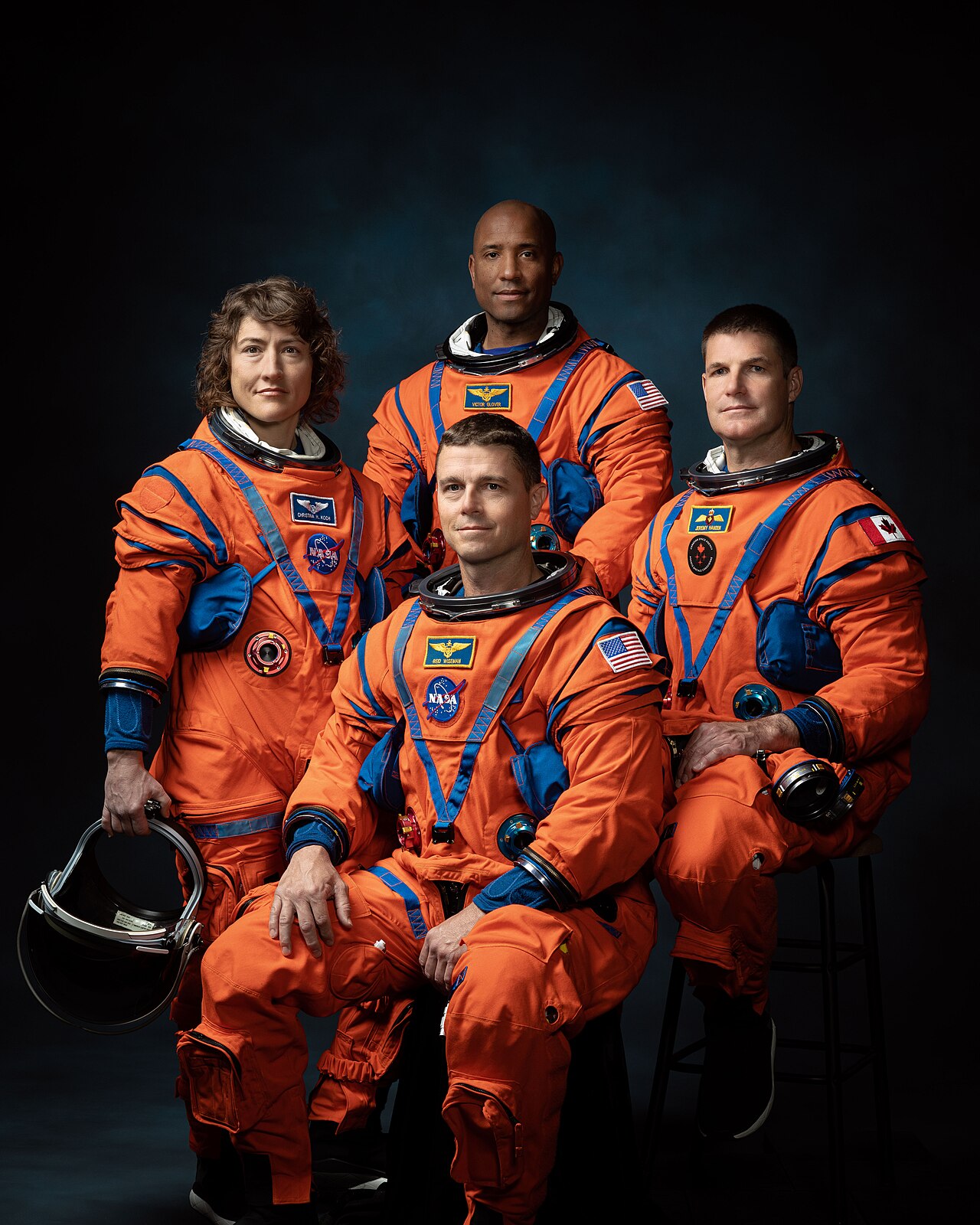
At 12:32 p.m. Eastern on April 1, 2026, the most powerful rocket ever flown lifted four people off Pad 39B at Kennedy Space Center and pointed them at the Moon. No humans had left Earth orbit since December 1972. That gap — fifty-four years — is longer than the entire history of powered flight was when Apollo 11 landed. The people who closed it are not who you'd expect from central casting.
Who's Who?
-
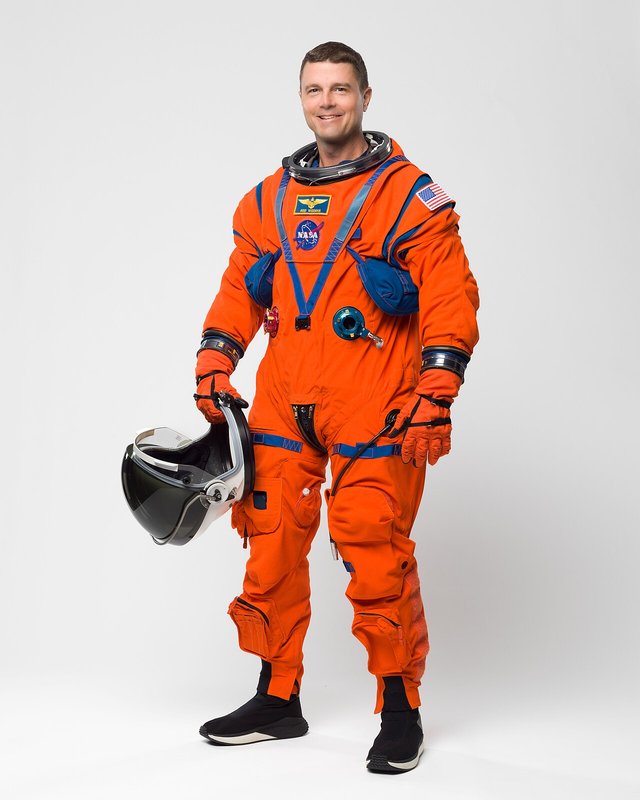 Reid Wiseman — Commander, Navy fighter pilot, single father of two daughters after his wife Carroll died in 2020
 -
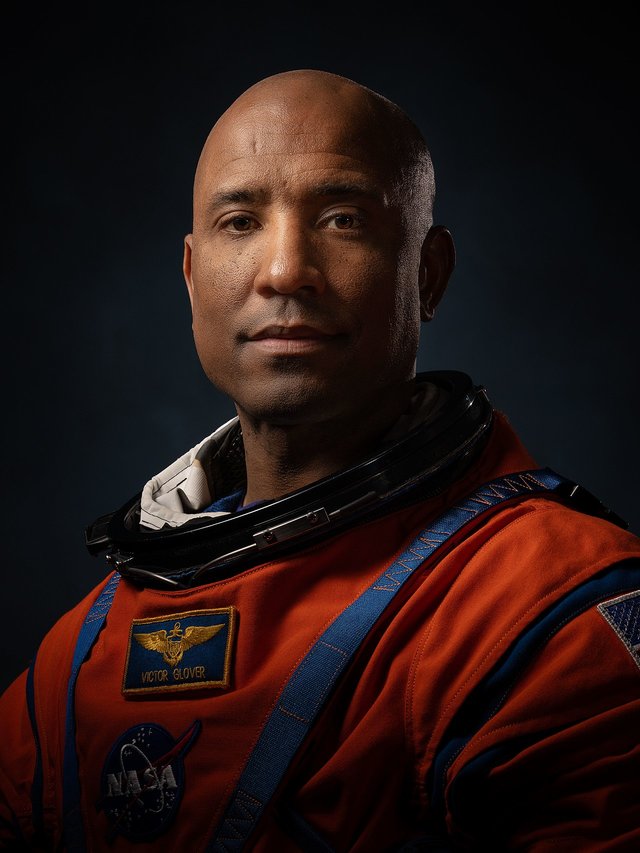 Victor Glover — Pilot, first Black astronaut to fly beyond Earth orbit, father of four daughters
 -
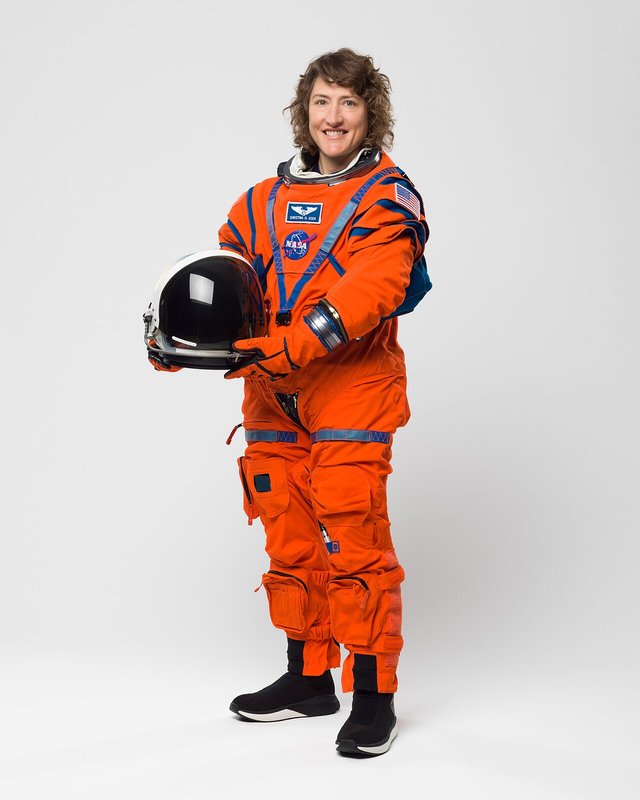 Christina Koch — Mission Specialist, holds the record for longest single spaceflight by a woman at 328 days
 -
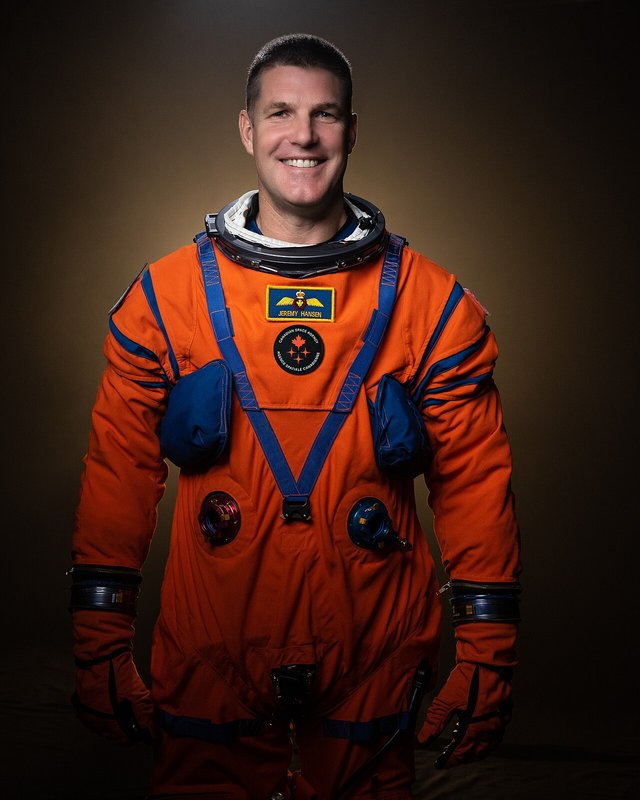 Jeremy Hansen — Mission Specialist, Canadian Space Agency, grew up on a farm in Ontario, former CF-18 fighter pilot
 -
CWCarroll Wiseman — Reid's late wife, NICU nurse, died of cancer in 2020 at age 46
-
DODionna Odom Glover — Victor's wife, mother of their four daughters
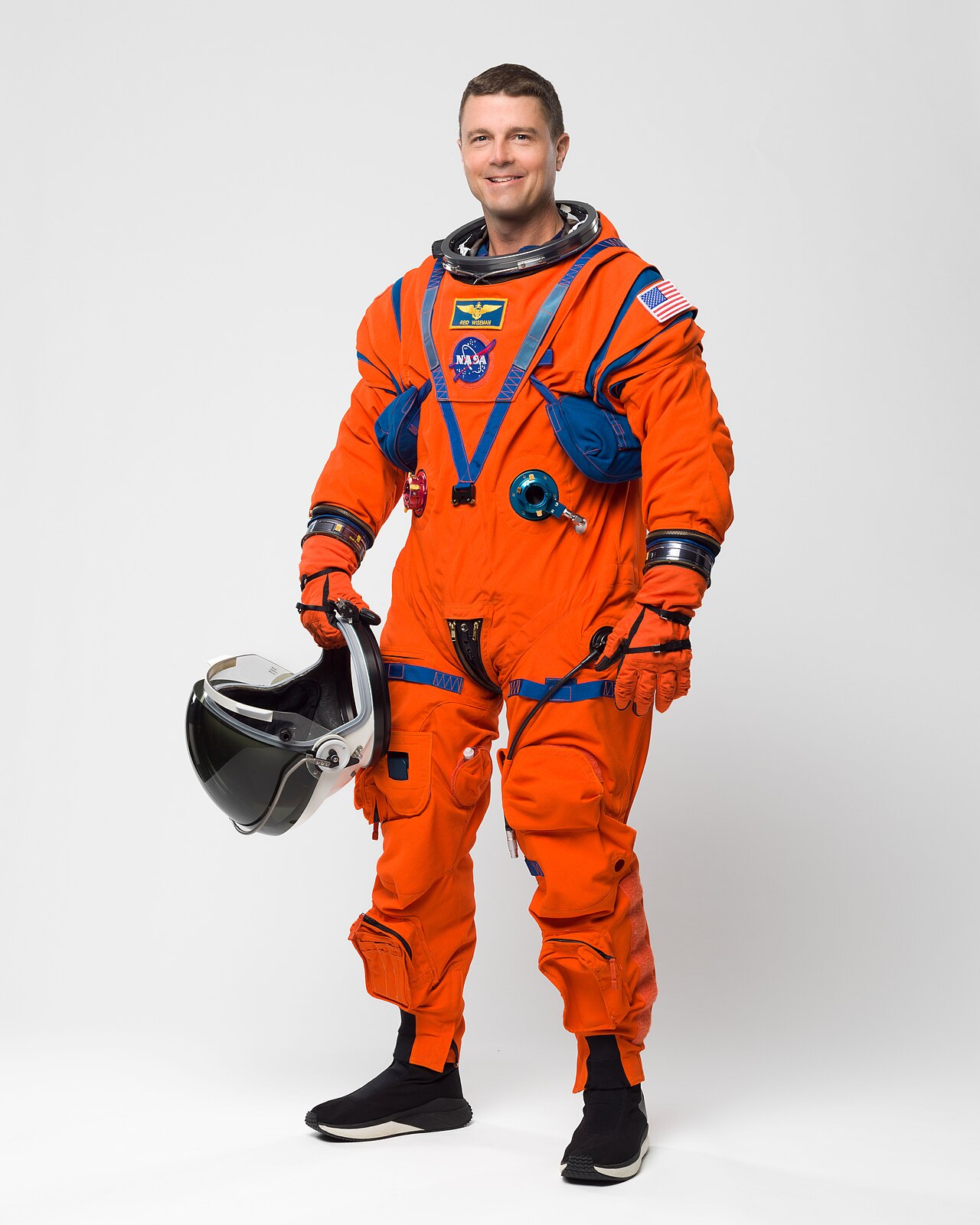
Reid Wiseman is the commander. He's 50, from Baltimore, a Navy test pilot who flew F/A-18s and logged 165 days on the International Space Station in 2014. He was NASA's chief astronaut until he stepped down to focus on Artemis II training. None of that is what makes his story unusual. In May 2020, his wife Carroll died of cancer at 46. She was a NICU nurse — the person who held other people's newborns through the worst nights of their parents' lives. She left behind Reid and their two daughters, Ellie and Katherine. Reid Wiseman is flying to the Moon as a single dad. When he posted a selfie with his girls in front of the SLS rocket before launch, he didn't need a caption.
Victor Glover is the pilot, and when the Orion spacecraft crossed beyond low Earth orbit on April 2, he became the first Black astronaut to fly in deep space. He's 49, from Pomona, California, the son of a Caribbean American mother and a Black American father. He graduated from Cal Poly, flew combat missions in F/A-18s, and piloted SpaceX Crew-1 to the ISS in 2020. He and his wife Dionna have four daughters. Before launch, he said the thing that stays with you: 'Our families have been along for this entire journey — the quarantines, the years of training, the travel. They're here now.' He meant it literally. They were at the Cape.
Christina Koch is 47, an electrical engineer from North Carolina who already holds the record for the longest single spaceflight by a woman — 328 consecutive days aboard the ISS in 2019-2020. During that stay, she and Jessica Meir conducted the first all-female spacewalk. She's the kind of engineer who installs instruments at the South Pole and works on fisheries research vessels in the Pacific before deciding that wasn't remote enough and applying to be an astronaut. She brings more time in space than the other three crew members combined.
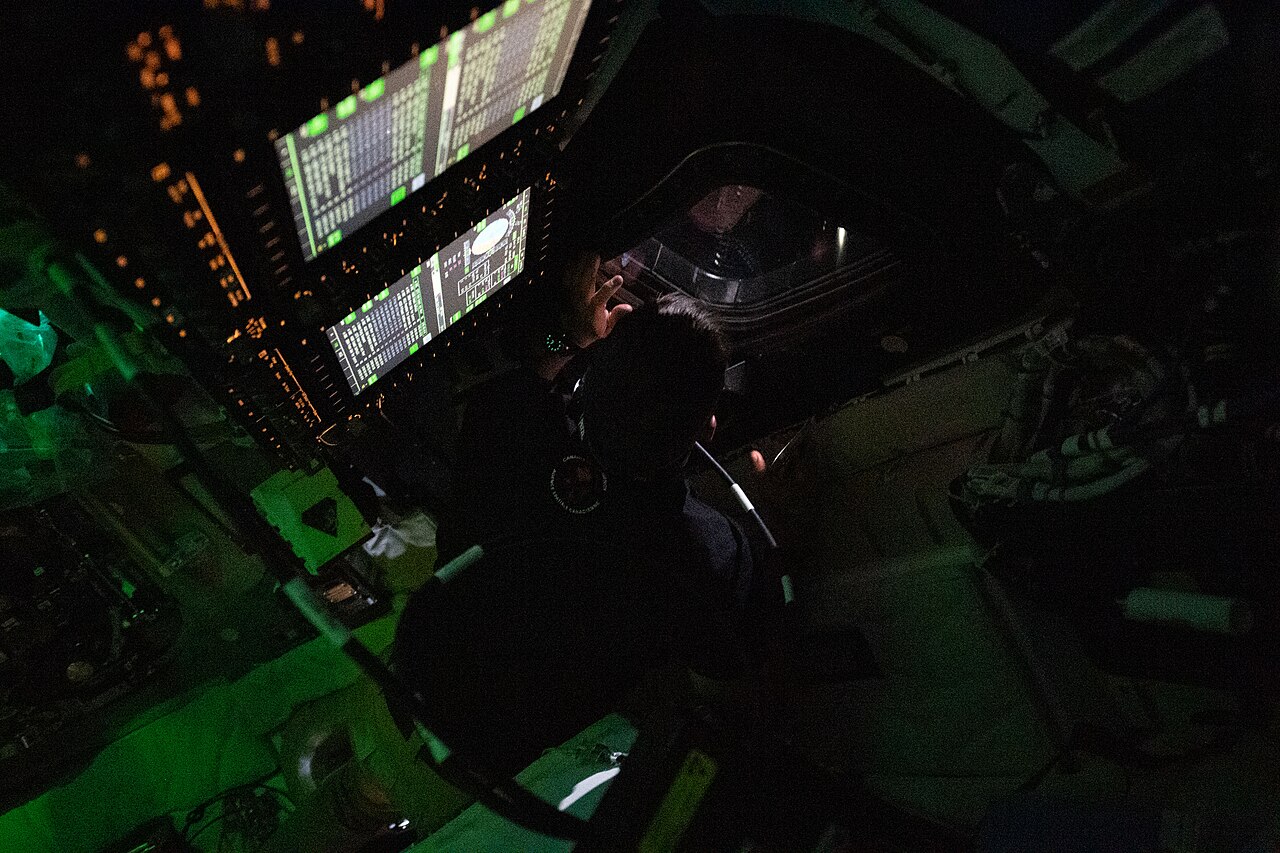
Jeremy Hansen is the mission specialist who almost wasn't supposed to be here — not because of anything he did, but because of where he's from. He's Canadian. No non-American has ever flown beyond low Earth orbit. Hansen grew up on a farm near Ingersoll, Ontario, the kind of place where you learn equipment repair before you learn calculus. He became a CF-18 fighter pilot for the Royal Canadian Air Force, then a colonel, then one of the Canadian Space Agency's four active astronauts. He was selected for Artemis II in 2023. On April 3, NASA released a photo of him looking through Orion's window at the Earth receding behind them. A farm kid from Ontario, watching the whole planet shrink.
The mission itself is a test flight — but that undersells what's happening. Artemis II is the first crewed flight of both the Space Launch System and the Orion spacecraft. The trajectory takes the crew around the far side of the Moon and back, a ten-day trip covering roughly half a million miles. They won't land — that's Artemis III — but they'll fly closer to the lunar surface than any humans since Gene Cernan and Harrison Schmitt walked on it in 1972. The systems they're testing will determine whether anyone walks on the Moon again.
The last time NASA sent people this far, the astronauts were white, male, military, and married. The Artemis II crew includes a Black pilot, a woman with more spaceflight experience than most astronaut classes combined, a Canadian, and a widowed single father. That's not diversity for its own sake. It's what happens when you widen the pool and pick the best people for the job. Every one of them earned this seat in ways that have nothing to do with representation and everything to do with capability.
Reid Wiseman's father, battling cancer himself, made it to the Cape to watch his son launch. The details that didn't make the broadcast are the ones that matter. Somewhere in the viewing area, two girls watched their dad ride a column of fire toward a place their mother will never see. Somewhere else, four daughters watched theirs. Behind every mission patch and flight plan, behind the engineering and the telemetry, there are people who care about the people in the capsule. That's always been the real story of spaceflight. The rockets are extraordinary. The waiting is human.
As of today, the Artemis II crew is more than halfway to the Moon. The trajectory correction burns are complete. The cabin is being prepared for the lunar flyby on Monday. Four people are farther from Earth than anyone has been in fifty-four years, and they're sending back photos. Hansen's shot through the Orion window — the whole Earth, hanging in black — is the kind of image that changes how you think about where you live. The last crew to see that view was Apollo 17. The next one is up there right now.