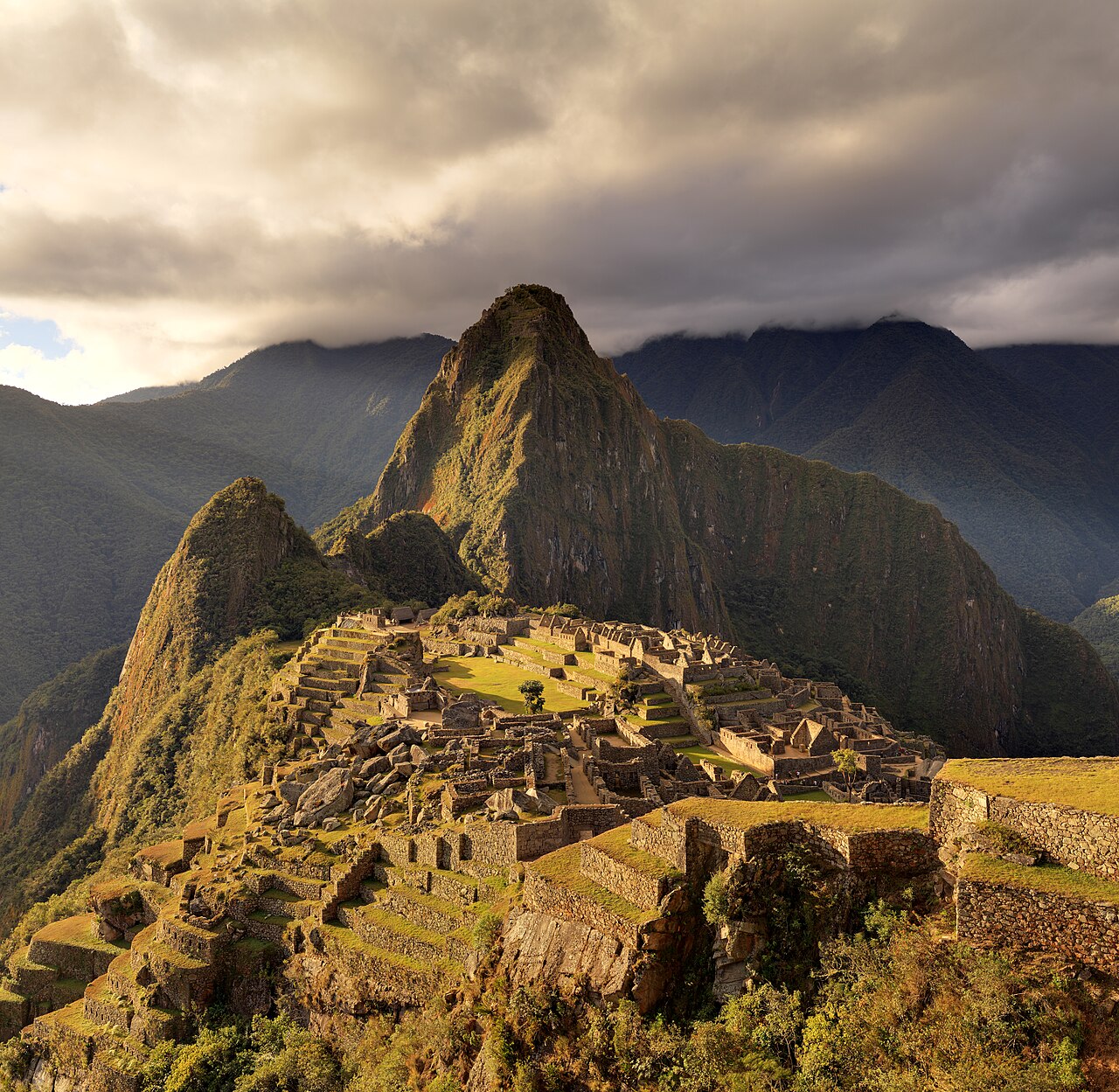
Perched at 7,970 feet above sea level in the Peruvian Andes, Machu Picchu is the most extraordinary urban achievement of the Inca Empire. Built around 1450 AD under the reign of Sapa Inca Pachacuti, the citadel was constructed without the wheel, iron tools, or mortar — its thousands of perfectly fitted granite blocks held together by their own weight and precision. Rediscovered by American historian Hiram Bingham in 1911, the site had been unknown to the outside world for nearly four centuries, hidden in the cloud forest above the Urubamba River gorge.
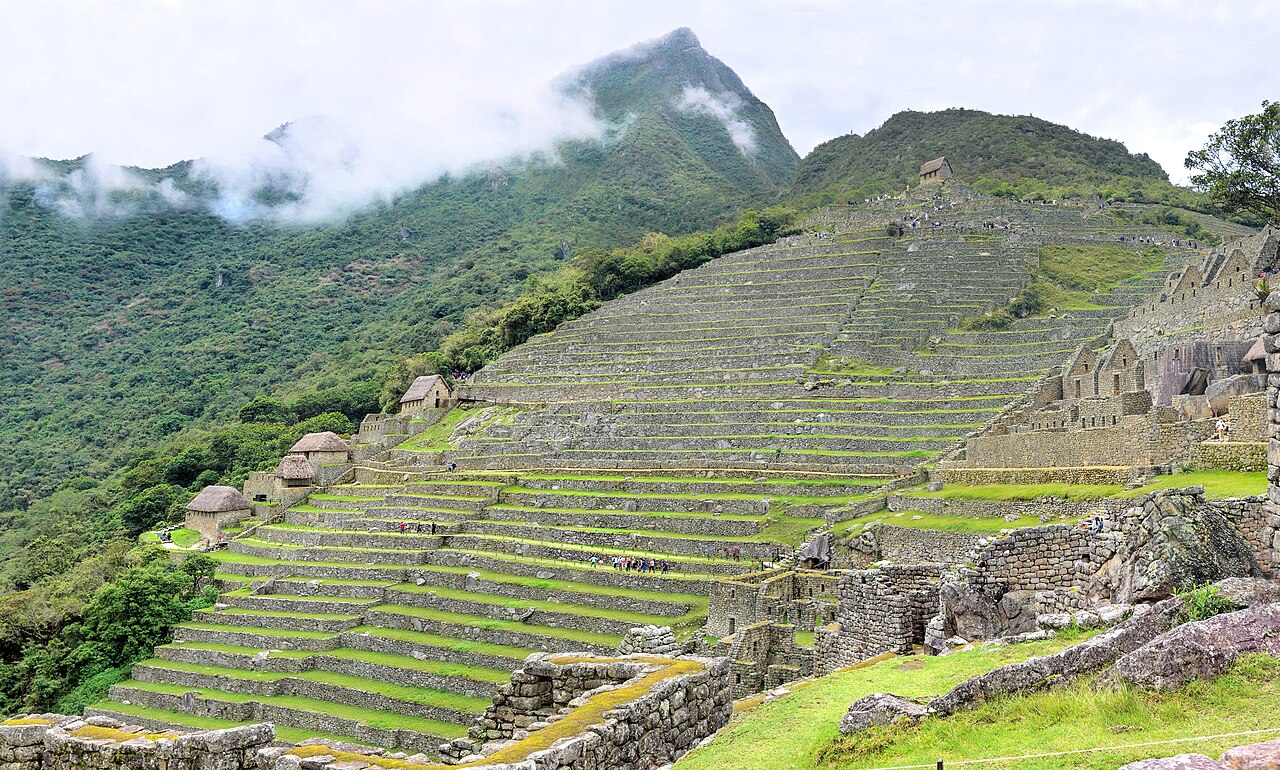
The purpose of Machu Picchu remains one of archaeology's great debates. Most scholars believe it served as a royal estate for Pachacuti — a retreat combining religious ceremony, agricultural experiment, and political spectacle. The site is divided into agricultural and urban sectors, with more than 200 structures including temples, residences, storehouses, and fountains connected by an ingenious hydraulic system still partly functional today. At its height, perhaps 750 people lived here permanently, swelling to several thousand during important festivals.
The spiritual heart of the citadel is the Intihuatana stone — a carved granite pillar whose name means 'hitching post of the sun' — believed to have served as an astronomical calendar that tied the sun to the earth at the winter solstice. Nearby, the Temple of the Sun is the finest example of Inca curved stonework, its trapezoidal windows aligned to admit the first light of the solstice sunrise directly onto a sacred stone. The Sacred Plaza, flanked by the three-windowed temple and the principal temple, was likely the site of the most important religious ceremonies.
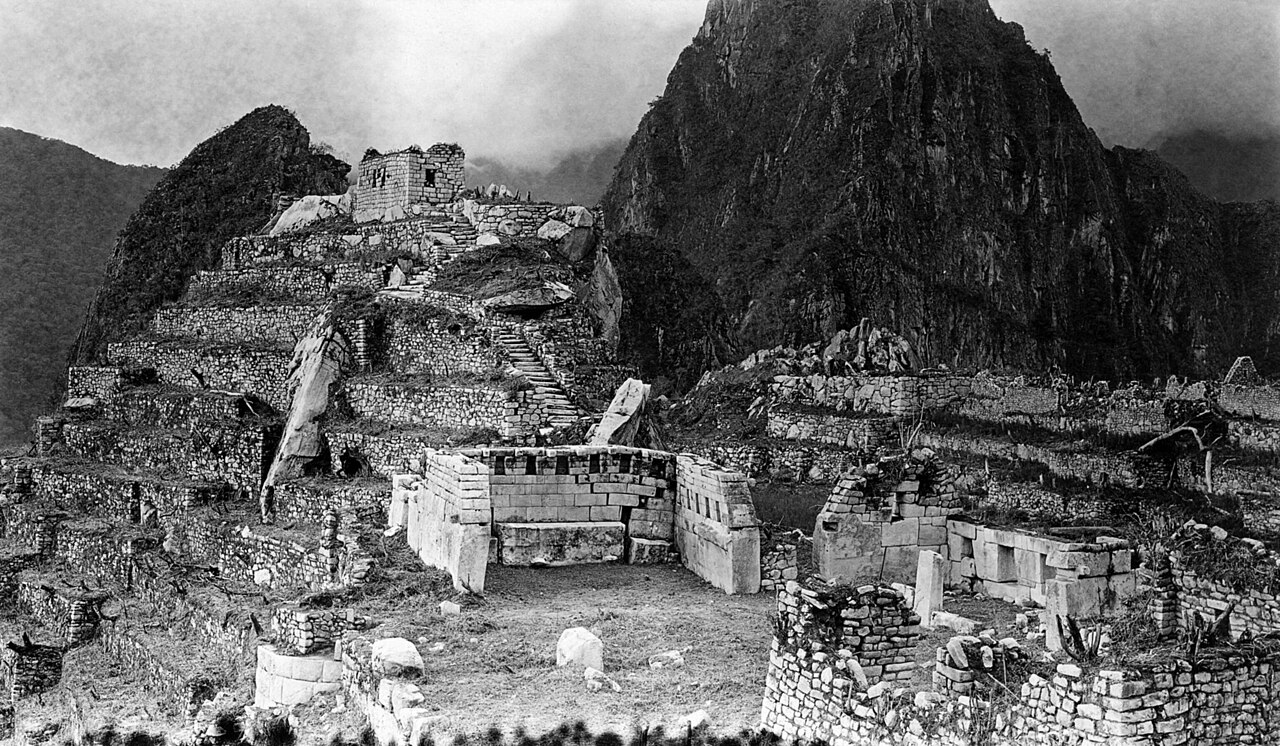
What makes Machu Picchu haunting is not just what it contains but what it escaped. The Spanish conquistadors who systematically destroyed every other major Inca city never found it. The citadel was abandoned — most likely due to smallpox spreading ahead of the Spanish — sometime around 1572, and the jungle simply swallowed it. When Bingham arrived, guided by local farmers, he found walls still standing and terraces still partly cultivated. The Inca had built for eternity, and eternity had kept their secret.
Today Machu Picchu receives over a million visitors a year, making conservation a constant challenge. The classic view — looking down from the Guardian's Hut over the terraces with Huayna Picchu rising behind — has become one of the defining images of the ancient world. Those who arrive via the four-day Inca Trail, emerging through the Sun Gate at dawn, experience something closer to what Inca pilgrims knew: the revelation of a city that seems to grow organically from the mountain itself.