For over a thousand years, Kyoto was the imperial capital of Japan and the center of its cultural, artistic, and spiritual life — a city so sacred that it was deliberately spared from American firebombing during World War II on the advice of Secretary of War Henry Stimson, who recognized its irreplaceable cultural significance. Founded as Heian-kyo ('Capital of Peace and Tranquility') in 794 CE by Emperor Kammu, who modeled it on the Tang Chinese capital of Chang'an, Kyoto served as Japan's imperial capital from 794 until 1869 AD when Emperor Meiji relocated the court to Tokyo. Within its streets and surrounding mountains lie some 1,600 Buddhist temples, 400 Shinto shrines, and 17 UNESCO World Heritage Sites.
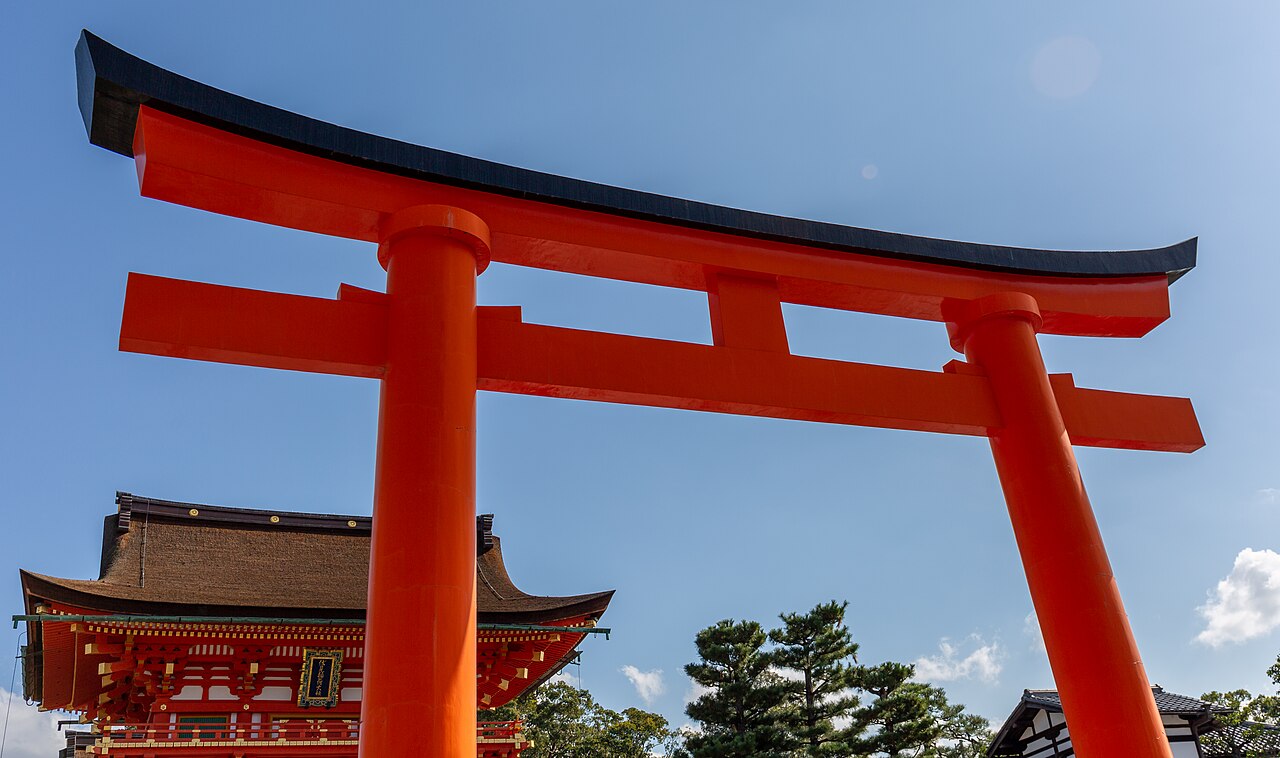
The city's most iconic image is perhaps the vermilion torii gate tunnel of Fushimi Inari-taisha, a Shinto shrine dating to the 8th century AD dedicated to Inari, the deity of rice, sake, and prosperity. Thousands of torii gates — donated by businesses seeking commercial success — march up Mount Inari for four kilometers, creating ethereal corridors of overlapping red arches. The shrine complex houses thousands of stone foxes (kitsune), considered messengers of Inari, and has been a place of pilgrimage since the shrine's founding in 711 AD.
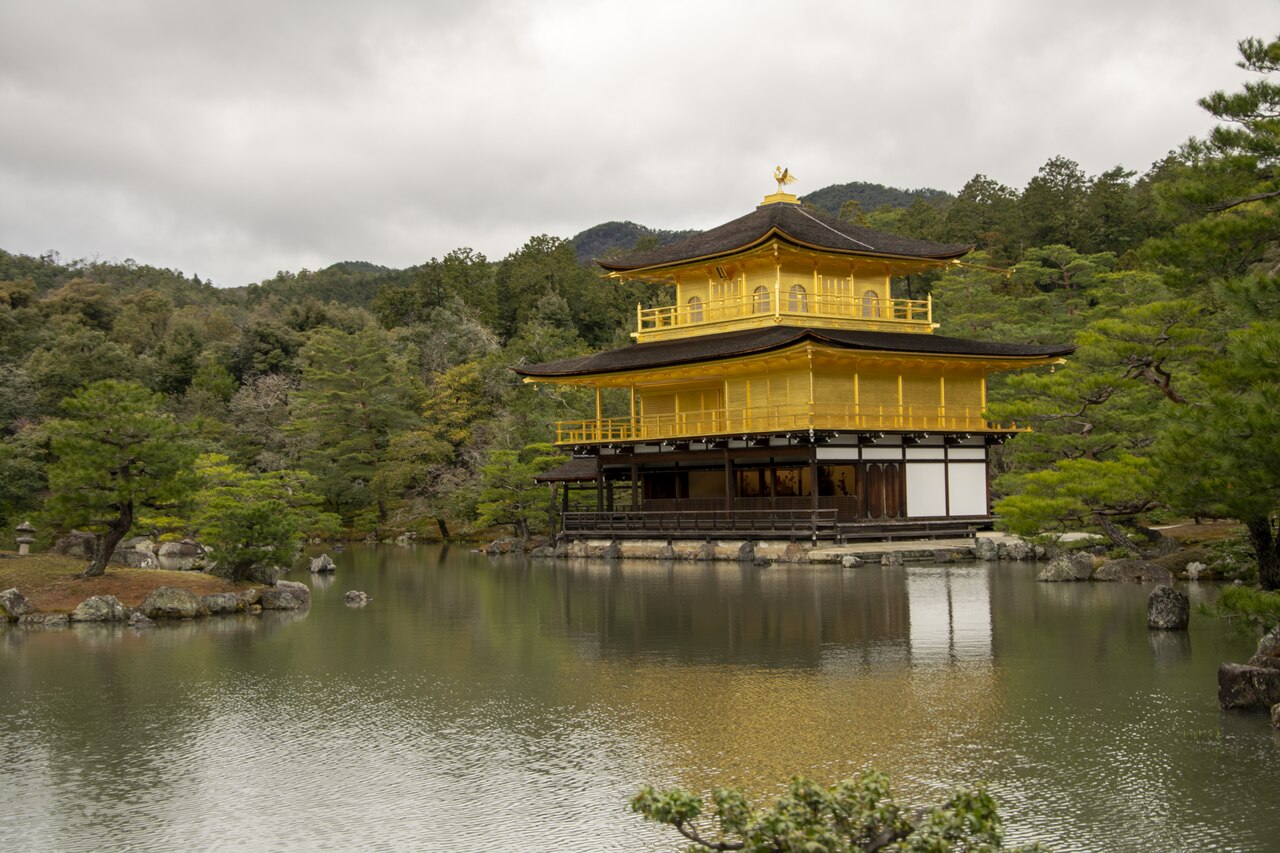
Among Kyoto's many extraordinary temple complexes, Kinkakuji — the Golden Pavilion — stands apart for its sheer visual drama. Built in 1397 AD as a retirement villa for Shogun Ashikaga Yoshimitsu, the three-story structure is covered entirely in gold leaf and reflected in a still pond garden, its upper two floors so bright they seem to burn in winter when dusted with snow. The current structure is a 1955 reconstruction after a deranged monk burned the original in 1950 — an act that inspired Yukio Mishima's famous novel. The adjoining Zen garden of raked gravel and carefully placed stones exemplifies the aesthetic principles of wabi-sabi and mono no aware.
Kyoto's Gion district preserves the historic geisha culture that once flourished across Japan. Geiko (the Kyoto term for geisha) and their apprentices, called maiko, can still be glimpsed in the early evening hours on their way to engagements in the district's traditional ochaya (teahouses). The district's preserved machiya (wooden townhouses) line the atmospheric lanes of Hanamikoji Street, where centuries of artistic refinement in music, dance, and the tea ceremony have been maintained as living traditions. Kyoto's geiko districts represent one of the world's most complete surviving examples of pre-industrial urban culture.
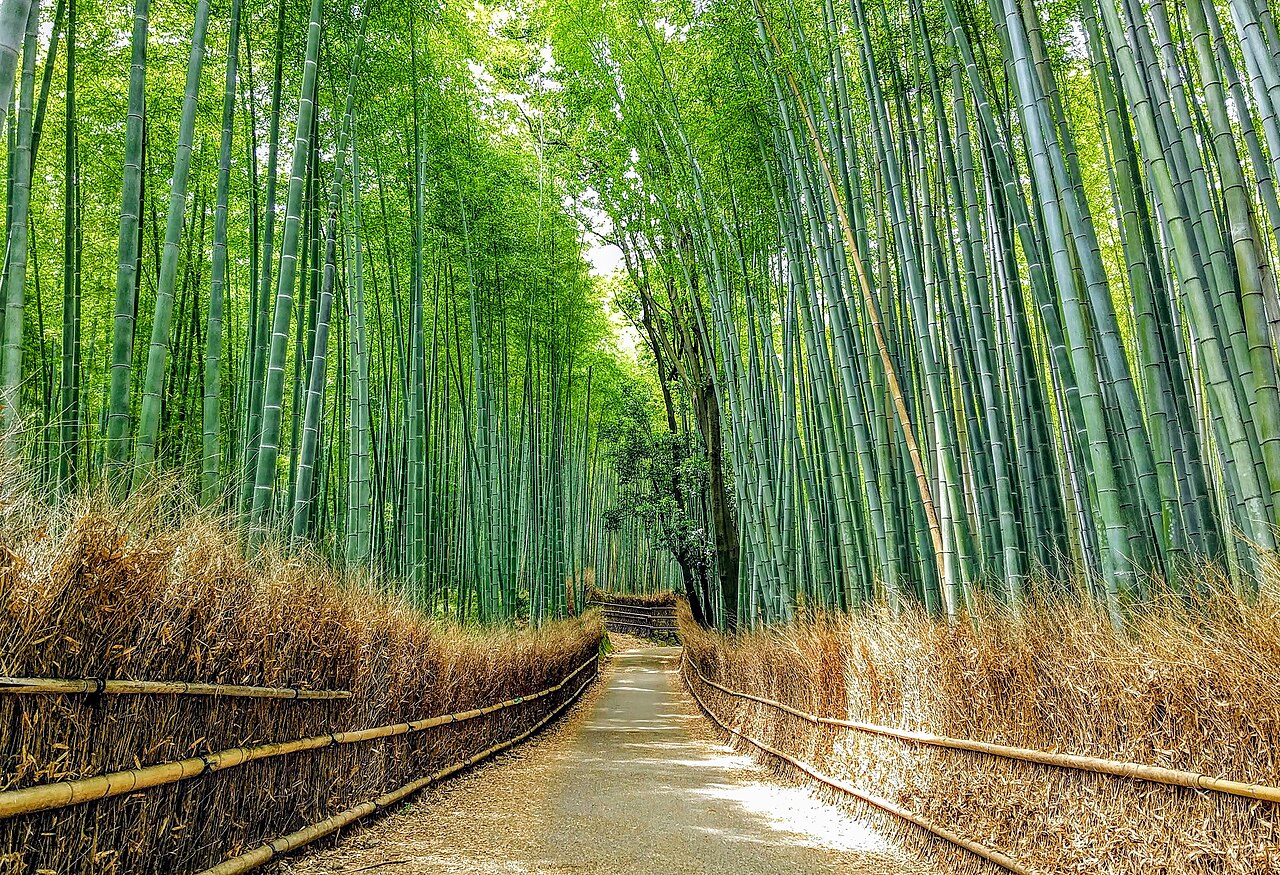
The Arashiyama bamboo grove, the moss-covered gardens of Saihoji temple, the meditation halls of Ryoanji with its enigmatic 15-stone rock garden, and the vast complex of Nijo Castle — where floors were specially built to squeak as an alarm against assassins — represent the extraordinary depth of Kyoto's cultural heritage. The city today hosts approximately 50 million visitors annually, and the tension between preservation and tourism has become an urgent challenge. Yet Kyoto remains the living heart of traditional Japanese culture, a city where one can still hear the clack of wooden geta sandals on stone streets and smell incense drifting from ancient temple gates at dawn.