Straddling the narrow Bosphorus strait where Europe meets Asia, Istanbul is the only city in the world to have served as the capital of three successive empires — the Roman, Byzantine, and Ottoman — and its extraordinary skyline of domes and minarets reflects three millennia of continuous habitation and overlapping civilizations. The city was founded as the Greek colony of Byzantium around 660 BC, but its destiny changed utterly in 330 AD when the Roman Emperor Constantine the Great chose it as the new capital of the Roman Empire, renaming it Constantinople and transforming it into the most magnificent city in the Christian world.
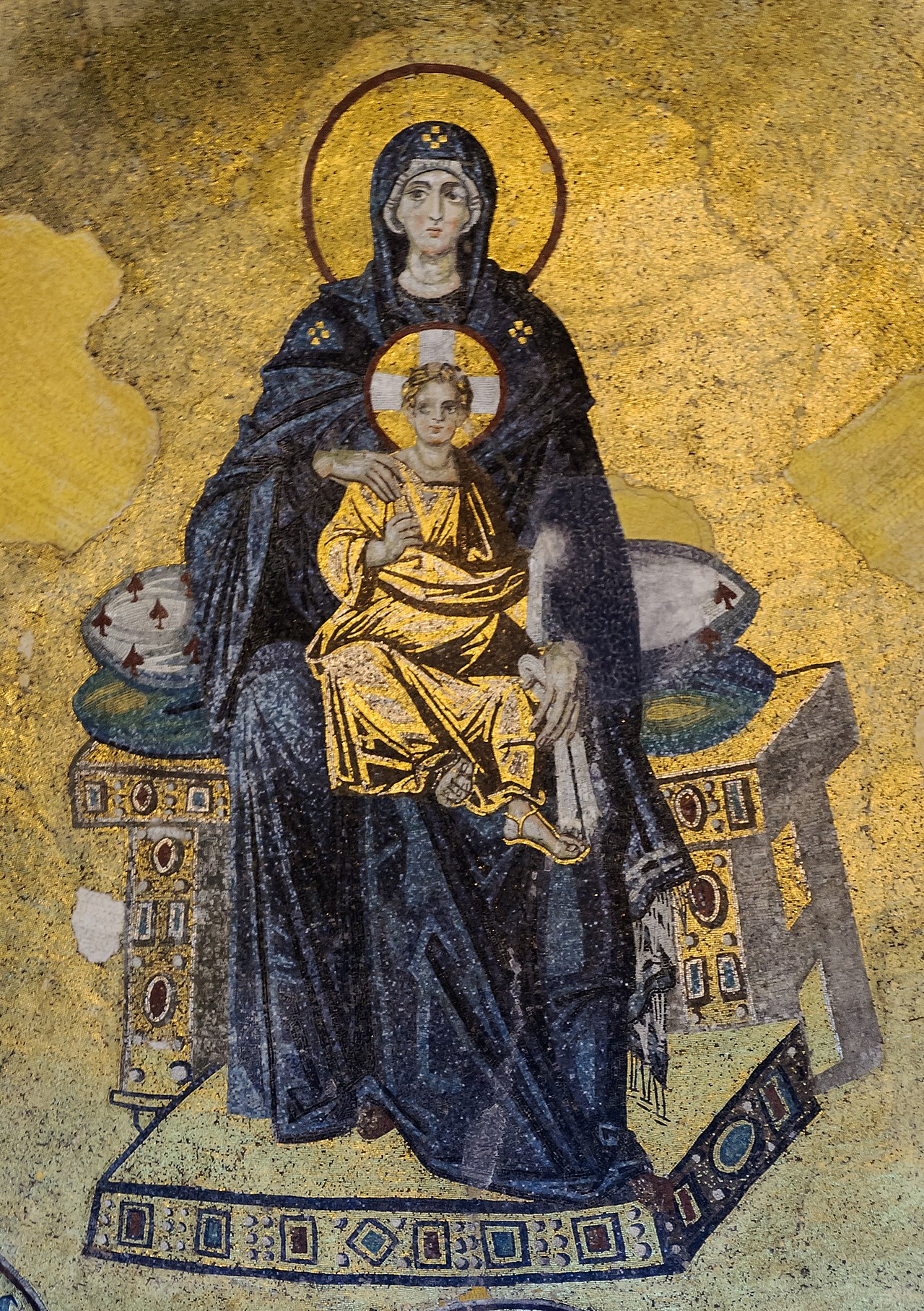
The centerpiece of Constantine's new capital was the Hagia Sophia, completed in 537 AD under Emperor Justinian I. Its immense dome, 31 meters in diameter and rising 55 meters above the floor, was an engineering miracle that appeared to float on a ring of light from 40 windows at its base — a visual effect so stunning that Byzantine historians wrote that the dome seemed suspended from heaven by a golden chain. For nearly a thousand years it stood as the largest cathedral in the world, its golden mosaics of Christ Pantocrator and the Virgin Mary gleaming above an interior that awed emperors, ambassadors, and pilgrims alike.
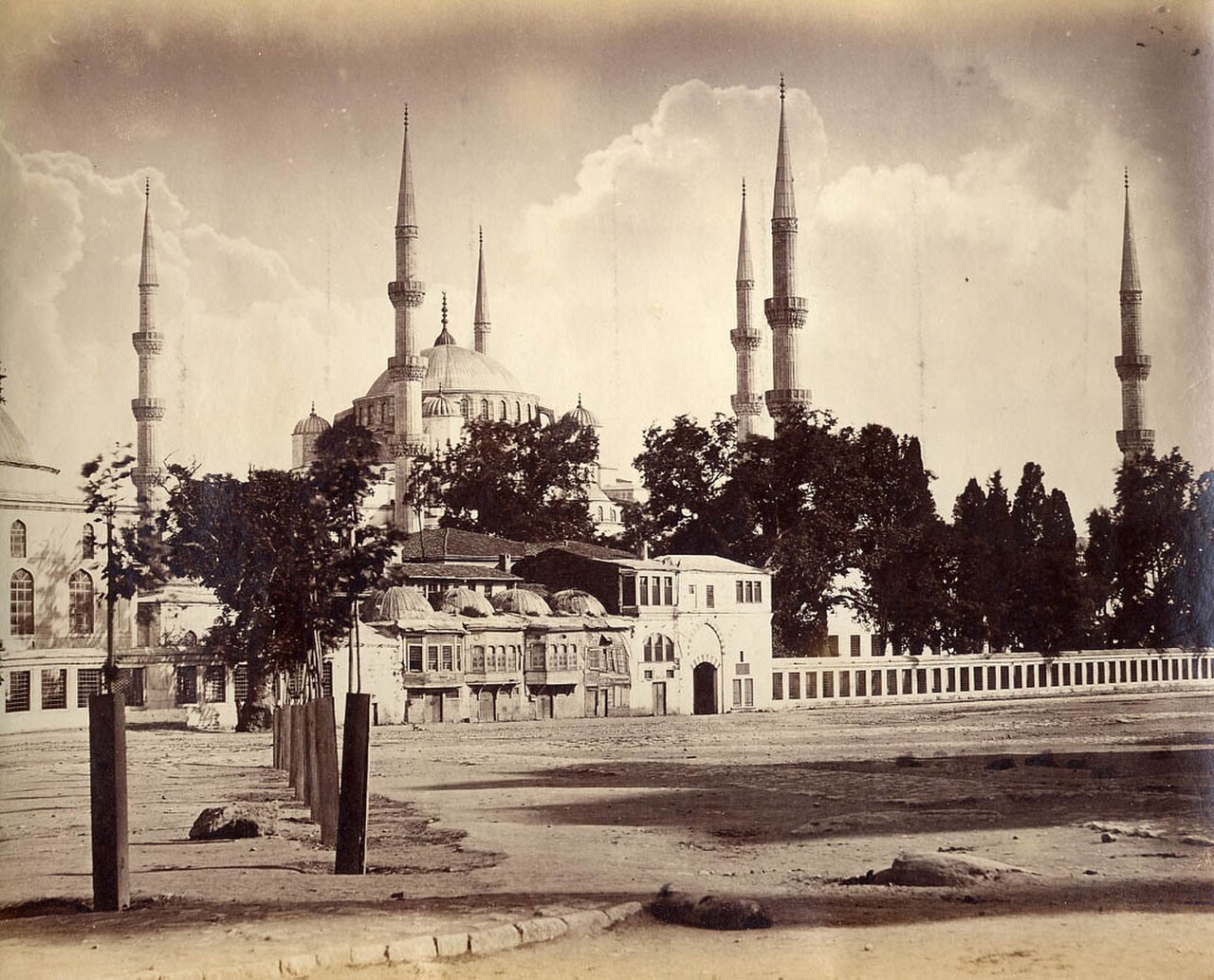
Constantinople fell to the Ottoman Turks on May 29, 1453 AD, when Sultan Mehmed II led his forces through breached walls after a 53-day siege. The city became the capital of the Ottoman Empire and was gradually transformed: Hagia Sophia was converted to a mosque (its Christian mosaics plastered over), and a new imperial complex — Topkapi Palace — was constructed on the peninsula's tip overlooking three bodies of water. The Ottomans proved themselves equally magnificent builders: the Blue Mosque, commissioned by Sultan Ahmed I and completed in 1616 AD, was deliberately built to rival Hagia Sophia and is the only mosque in the world with six minarets.
At its Ottoman peak in the 16th century, Constantinople was home to perhaps half a million people, making it one of the largest cities on Earth. The Grand Bazaar, one of the world's oldest and largest covered markets, was established in the 15th century and at its height encompassed 61 covered streets and over 4,000 shops. The city's strategic position controlling the Bosphorus — the only maritime passage between the Black Sea and the Mediterranean — made it an essential commercial and military prize throughout its history, coveted by every major power in both Europe and Asia.

In 1923, Mustafa Kemal Ataturk established the Turkish Republic with Ankara as its capital, but Istanbul remained Turkey's cultural and commercial heart. The historic areas were designated a UNESCO World Heritage Site in 1985, and the city today draws millions of visitors annually to its incomparable concentration of Byzantine and Ottoman monuments. In 2020 Hagia Sophia was reconverted to an active mosque after 86 years as a secular museum, reigniting international debate about the preservation of its layered religious heritage — a fitting controversy for a city where East and West, ancient and modern, have collided for three thousand years.