Rome was not built in a day, and it cannot be understood in one. The city that grew from a cluster of mud huts on the Palatine Hill in the eighth century BC would go on to govern an empire stretching from Scotland to Mesopotamia, and its influence on law, language, architecture, and governance has never fully faded. You are walking through the foundations of Western civilization.
The Roman Republic lasted five centuries before collapsing under the weight of its own ambitions. Julius Caesar crossed the Rubicon in 49 BC, triggering a civil war that ended with his assassination on the Ides of March, 44 BC, in the Theatre of Pompey — a spot now marked by a small cat sanctuary near the Largo di Torre Argentina. His adopted heir Octavian emerged victorious, took the name Augustus, and boasted that he found Rome a city of brick and left it a city of marble. He was not exaggerating.
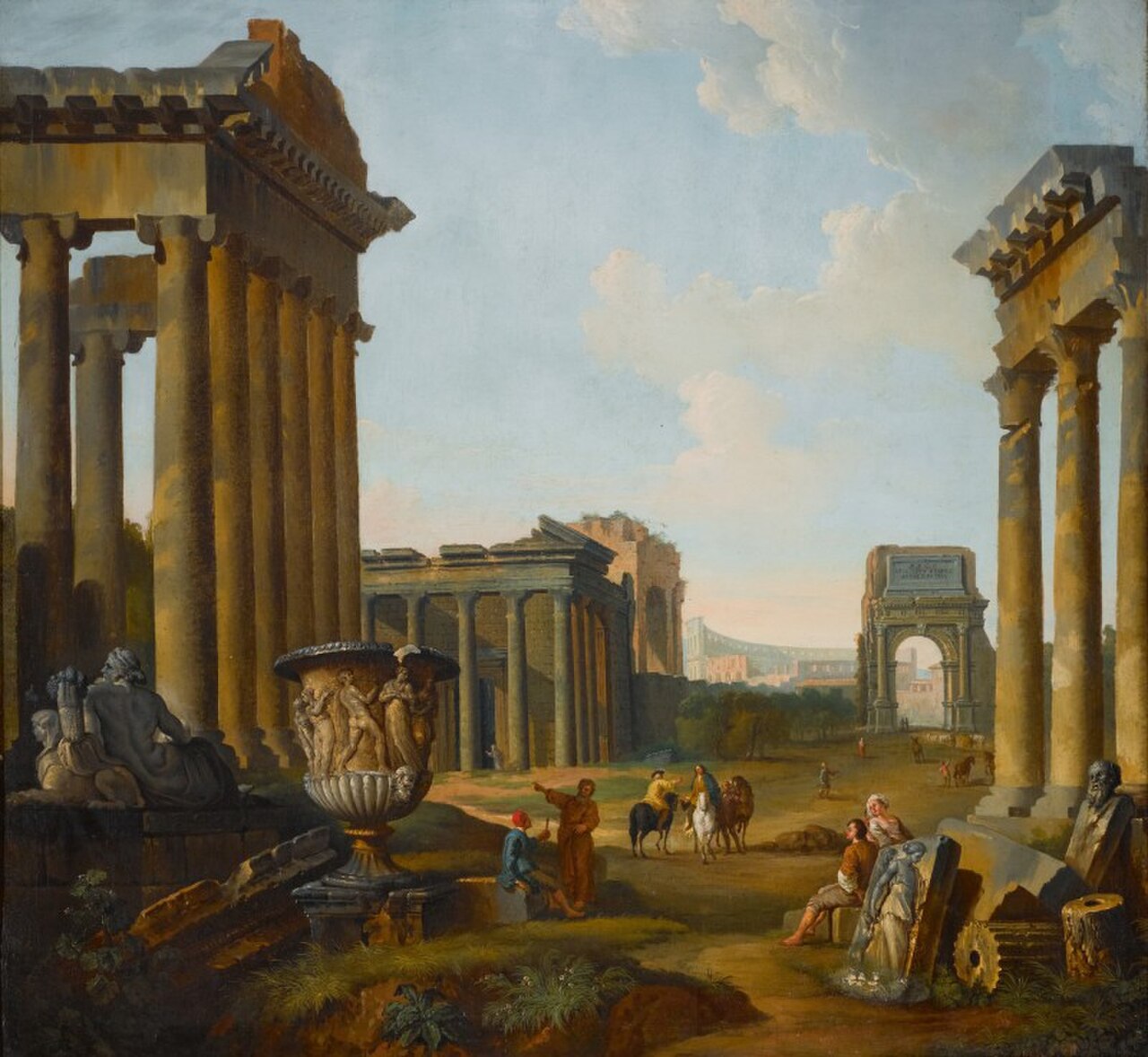
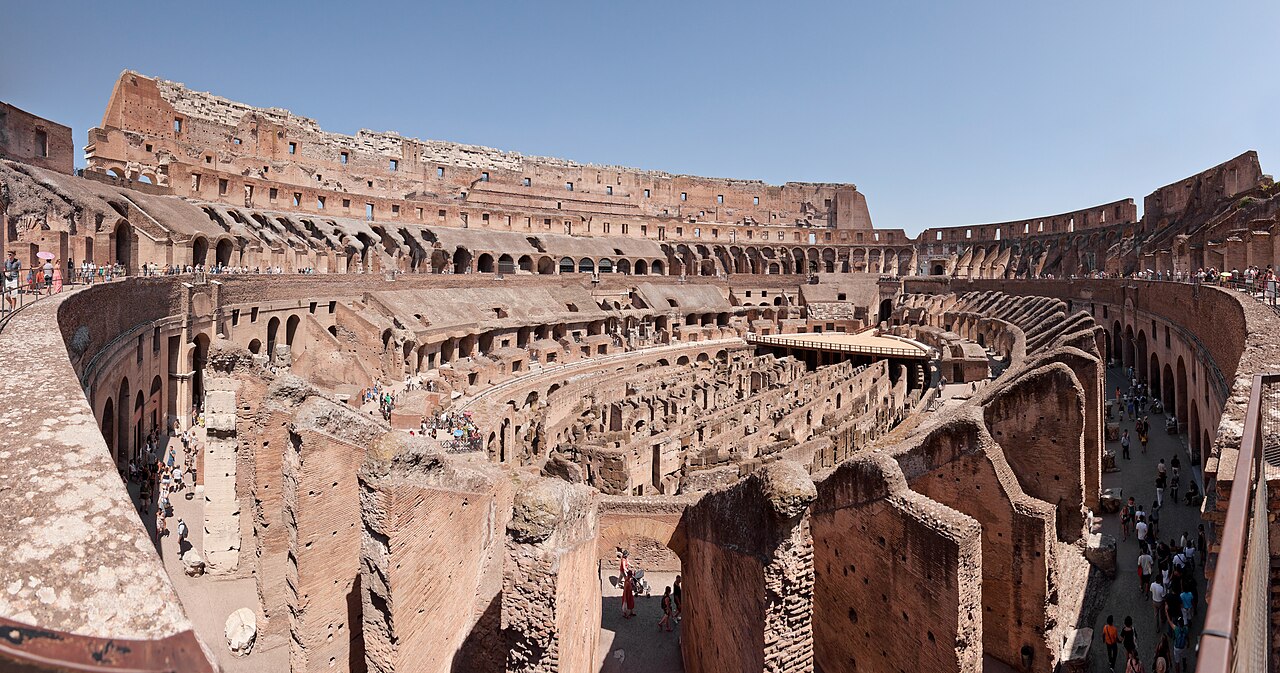
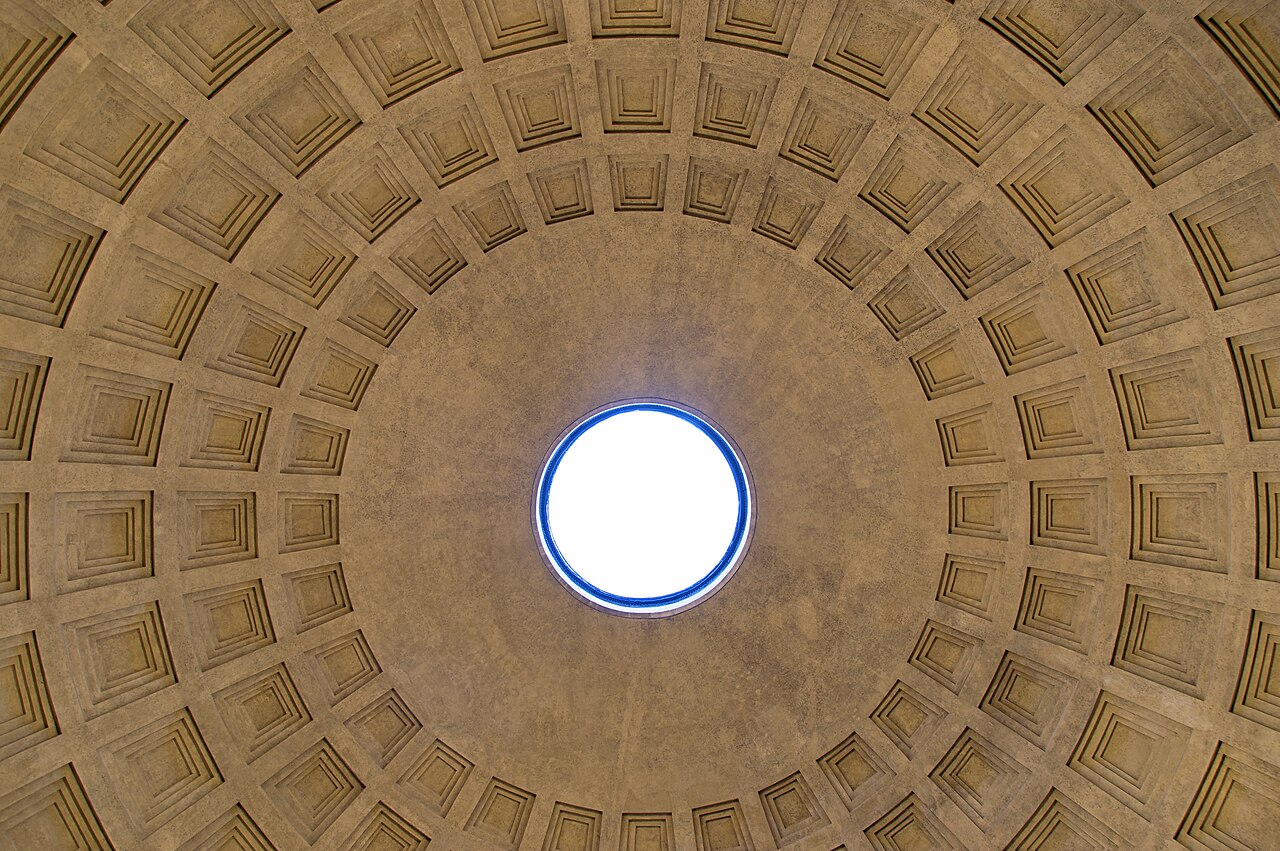
The monuments that define Rome today are largely the work of the imperial era. The Colosseum, completed in 80 AD under Emperor Titus, could seat 50,000 spectators and featured a retractable canvas awning, trapdoors, and an underground labyrinth of corridors and cages. The Pantheon, rebuilt by Hadrian around 125 AD, has the largest unreinforced concrete dome ever constructed — nearly 1,900 years after it was poured, it still stands without steel reinforcement. The Roman Forum was the beating heart of public life, where senators debated, merchants traded, and triumphal processions wound through the city's greatest avenue.
The empire peaked with the Pax Romana — roughly two centuries of relative peace from Augustus to Marcus Aurelius — and then began its long unraveling. Internal instability, economic pressure, military overreach, and the relentless pressure of migrations along the borders eroded Roman power over centuries. In 410 AD the Visigoths sacked Rome, the first time the city had fallen to a foreign enemy in 800 years. The Western Empire finally collapsed in 476 AD when the last emperor, Romulus Augustulus, was deposed by a Germanic chieftain. The Eastern Empire, based in Constantinople, would survive another thousand years.
What followed was not oblivion but transformation. The popes inherited Rome's symbolic power and spent the medieval and Renaissance periods rebuilding it as the capital of Christendom. Michelangelo painted the Sistine Chapel ceiling between 1508 and 1512. Bernini sculpted his breathtaking Apollo and Daphne for the Borghese Gallery and redesigned St. Peter's Square. The Baroque fountains — including the Trevi — turned the city's ancient aqueduct system into theater. Rome reinvented itself, as it always has.
Today the city holds nearly three million people and approximately 900 churches. It operates as a modern European capital while sitting atop layer upon layer of history — emperors beneath popes beneath medieval merchants beneath Renaissance cardinals. Wherever you dig in Rome, you find Rome. The city is not a museum. It is a living argument that some things are built to last.