No city on Earth has been fought over more fiercely or claimed more passionately than Jerusalem — a place considered sacred by three of the world's major religions and inhabited continuously for perhaps 5,000 years. The city's strategic position on a plateau in the Judean Hills made it defensible, while its association with biblical history made it spiritually irreplaceable. King David captured the city from the Jebusites around 1000 BC and made it his capital; his son Solomon built the First Temple on Mount Moriah around 957 BC to house the Ark of the Covenant, establishing a religious connection to this hilltop that has never been broken across 3,000 years of tumultuous history.
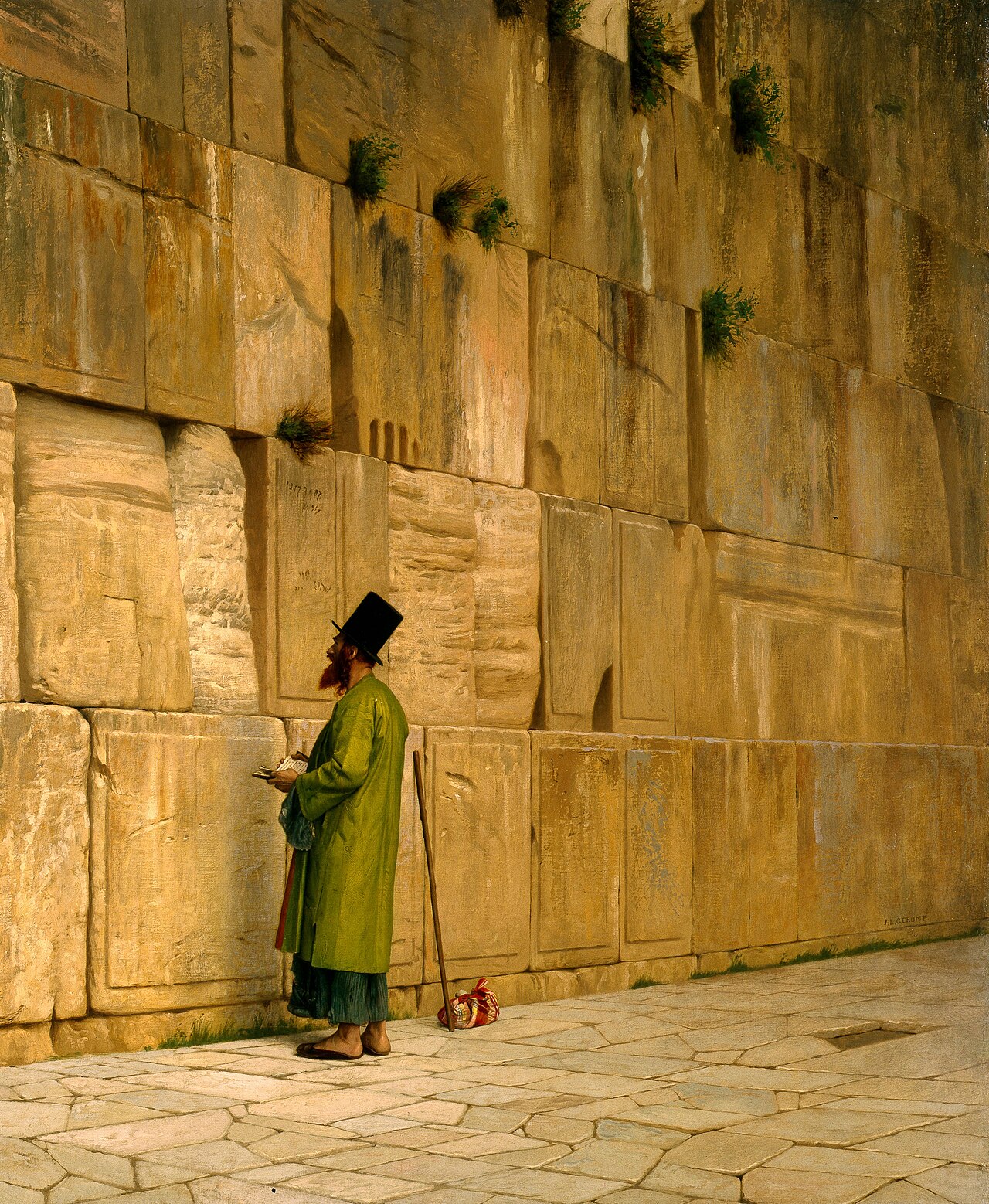
The Temple was destroyed by the Babylonians in 586 BC, rebuilt as the Second Temple upon the Jews' return from exile, and dramatically expanded by Herod the Great beginning around 20 BC — the Western Wall that remains today is a retaining wall of Herod's Temple Mount expansion, the last visible remnant of the greatest sanctuary in the ancient Jewish world. The Romans destroyed Herod's Temple in 70 AD following a Jewish revolt, and the Western Wall became the holiest accessible site in Judaism, a place where millions of worshippers have pressed their foreheads to the ancient stones and inserted written prayers into its cracks for two millennia.
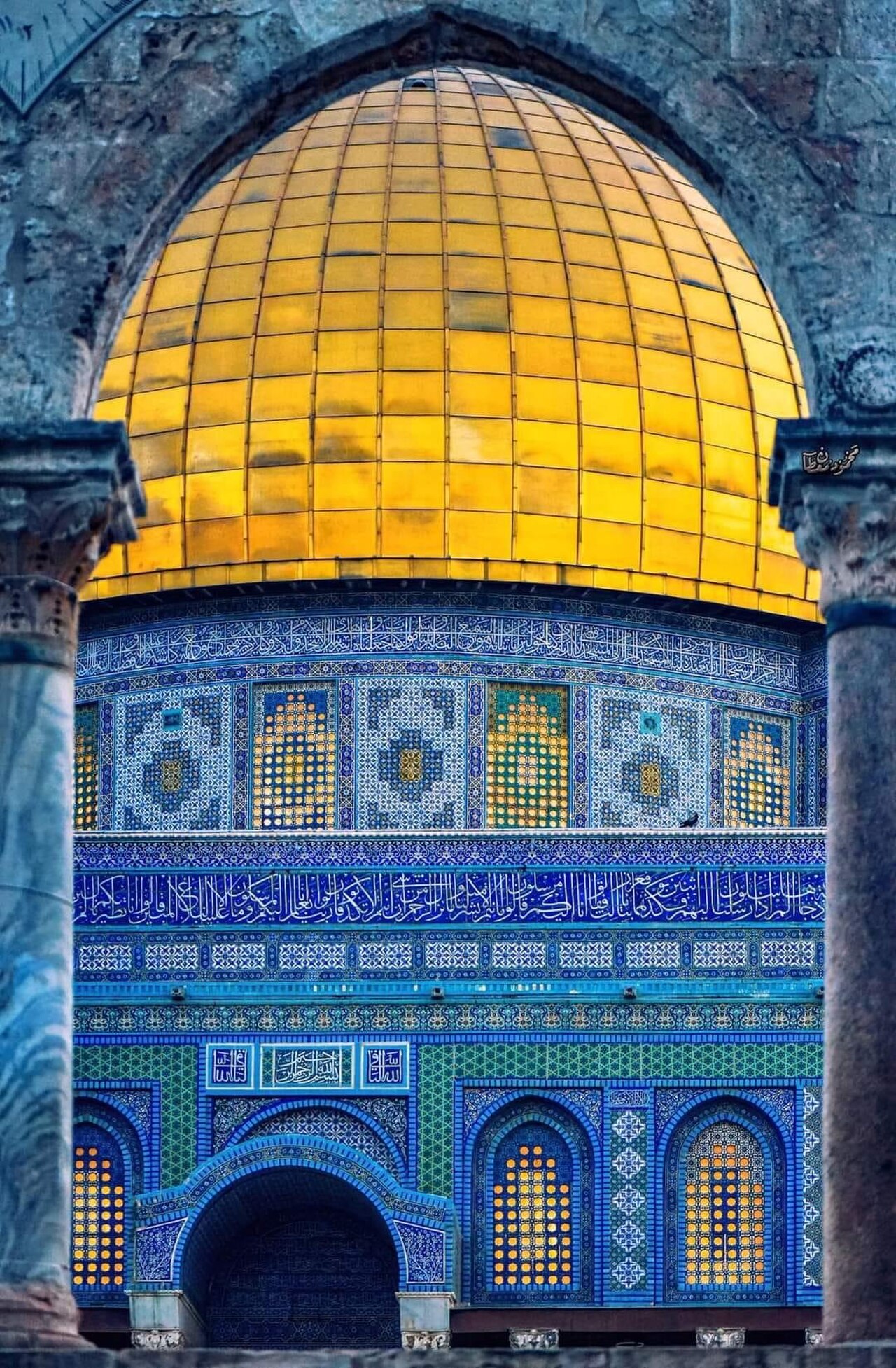
Jerusalem's Islamic associations are equally profound. The Dome of the Rock, completed in 691 AD by Umayyad Caliph Abd al-Malik, stands on the Temple Mount (the Noble Sanctuary, Al-Haram al-Sharif) — Islam's third holiest site after Mecca and Medina. The golden dome rises over the rock from which, Islamic tradition holds, the Prophet Muhammad ascended to heaven on his Night Journey (the Isra and Mi'raj). The Al-Aqsa Mosque, completed in its present form in the 11th century, stands nearby and is the destination of the Night Journey itself in Islamic tradition. The Dome of the Rock's extraordinary geometric mosaics and inscriptions represent one of the supreme achievements of early Islamic art.
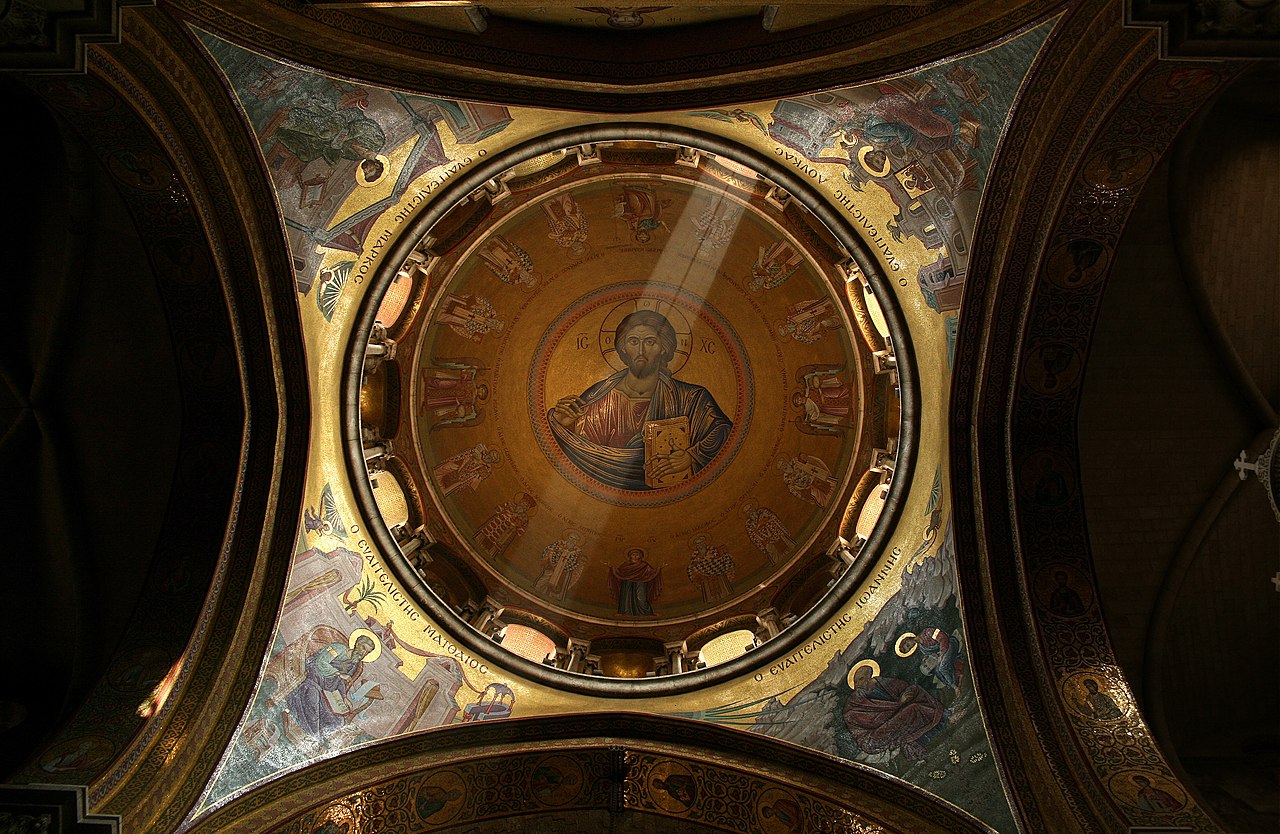
For Christians, Jerusalem is the site of Jesus's crucifixion, burial, and resurrection. The Church of the Holy Sepulchre, built by Constantine the Great's mother Helena in 326 CE on the site of the traditional Golgotha, houses both the hill of Calvary and the empty tomb within one roof. The church has been administered jointly by six Christian denominations — including Roman Catholic, Greek Orthodox, and Armenian — for centuries, a cohabitation so fraught that a neutral Muslim family has held the church's key since 1187 AD to prevent inter-denominational violence over access.
Jerusalem's Old City — a UNESCO World Heritage Site since 1981 — encompasses just one square kilometer yet contains some of the most contested ground in the world. The Jewish Quarter, Muslim Quarter, Christian Quarter, and Armenian Quarter each preserve distinct architectural and cultural landscapes within Ottoman walls built by Suleiman the Magnificent in the 1530s. Control of Jerusalem has changed hands at least 44 times throughout history, and the city remains at the center of the Israeli-Palestinian conflict — a political and spiritual flashpoint whose resolution may define the 21st century.