Rising from the flat scrubland of Mexico's Yucatan Peninsula, the ancient Maya city of Chichen Itza stands as the most thoroughly studied and most visited archaeological site in Mexico — a place where the genius of Maya astronomy, architecture, and cosmology converged in monuments of breathtaking precision. The city flourished between approximately 600 and 1200 AD and, unlike most Maya cities which were ethnically and politically homogeneous, Chichen Itza shows strong evidence of Toltec influence from central Mexico, suggesting either conquest, migration, or long-distance cultural exchange that makes it a unique hybrid in the Maya world.
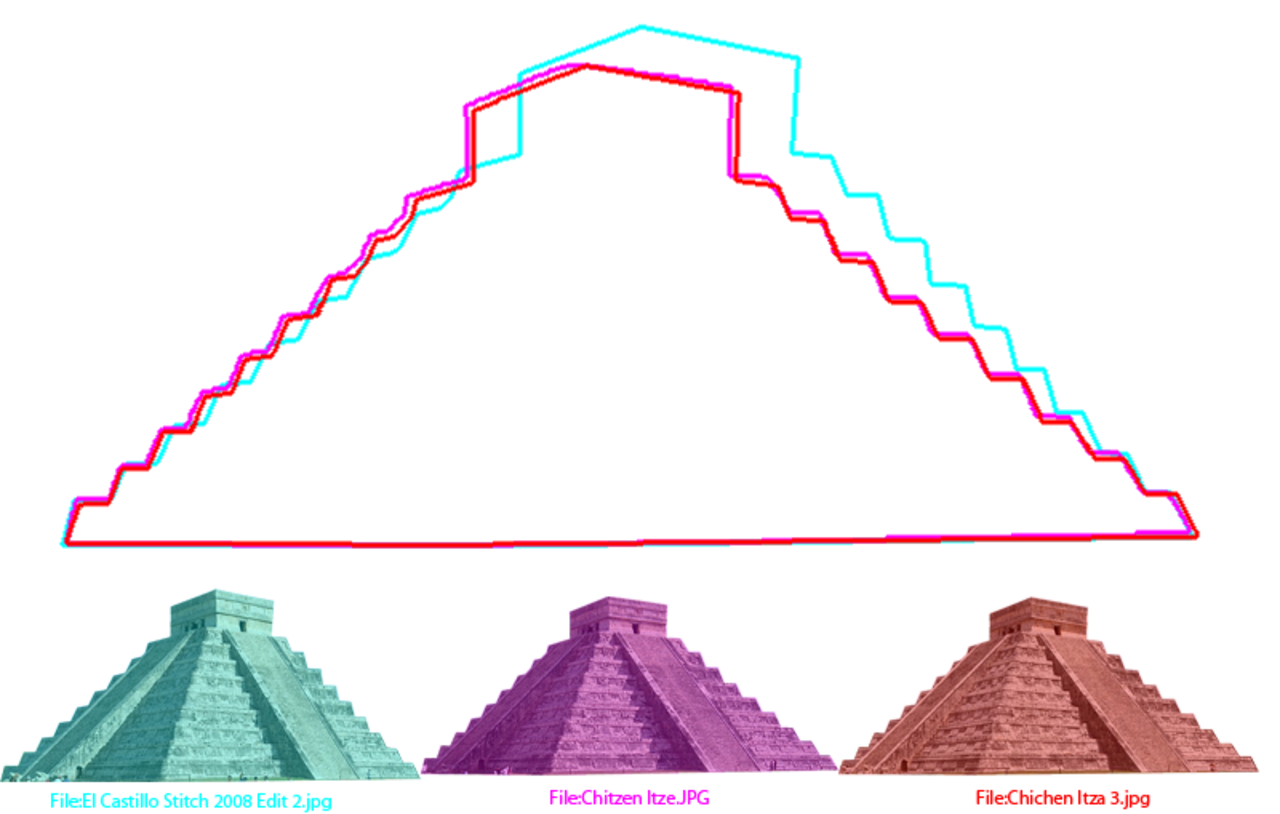
The city's iconic centerpiece, El Castillo (also called the Pyramid of Kukulcan), was built around 900 AD and is one of the most astronomically sophisticated structures ever created. The pyramid has four sides, each with 91 steps, and the platform at the top adds one more — totaling exactly 365, the number of days in the solar year. On the spring and autumn equinoxes, the setting sun casts a shadow along the northern staircase that creates a serpentine pattern connecting the shadow to the carved stone serpent head at the base — an appearance of the feathered serpent deity Kukulcan descending from the heavens that draws tens of thousands of spectators each year.

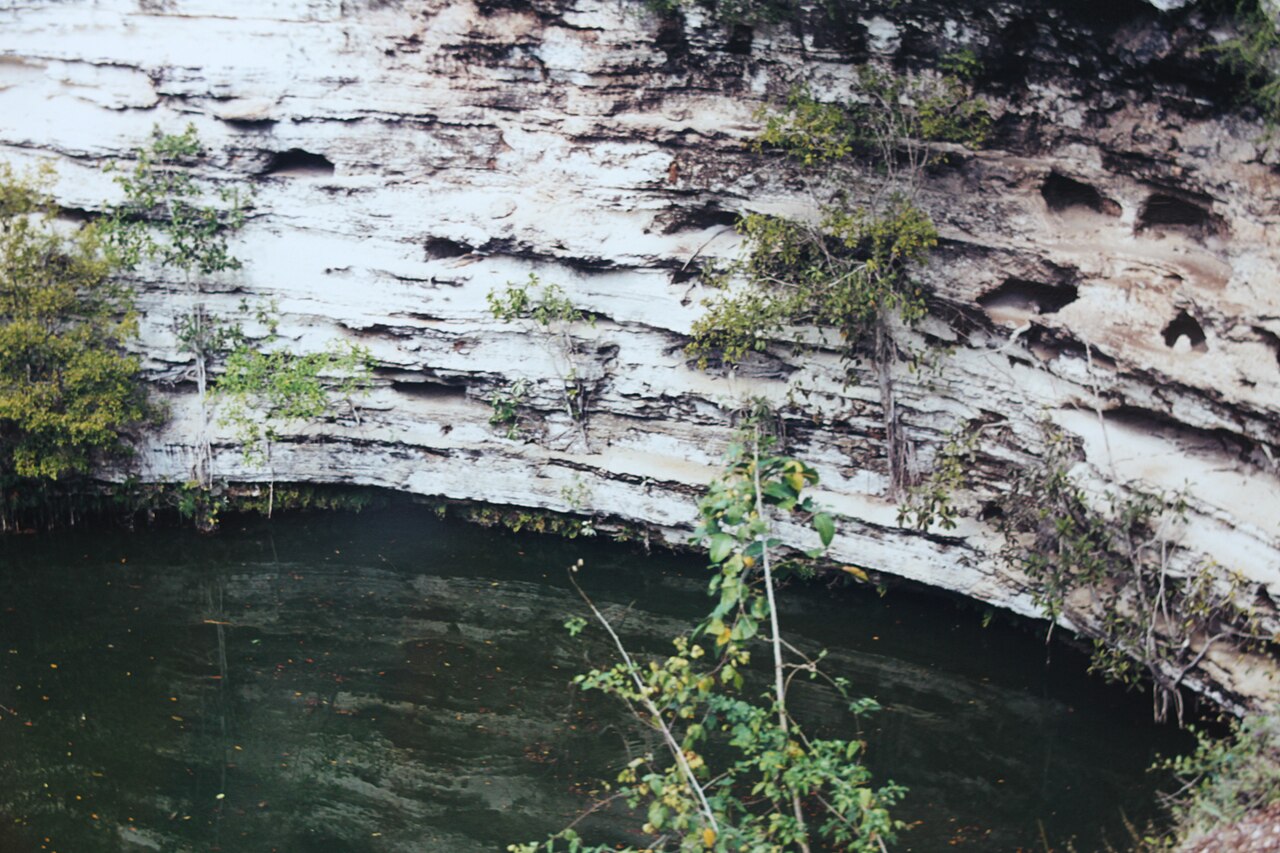
Beyond El Castillo, Chichen Itza contains an extraordinary concentration of monumental architecture. The Great Ball Court is the largest in Mesoamerica at 168 meters long — nearly the length of two American football fields — where the ritual ballgame was played with a heavy rubber ball that could not be touched with hands or feet. Stone reliefs on the court walls depict beheadings, suggesting that the losers (or possibly the winners, in an honorific sacrifice) were killed. The Sacred Cenote — a natural limestone sinkhole 60 meters in diameter — was a site of ritual offerings: divers in the 20th century retrieved gold, jade, copal incense, pottery, and human skeletons from its depths.
The Temple of the Warriors, comparable in design to the Temple of the Morning Star at Toltec Tula, presents a forest of carved columns depicting warriors, priests, and deities — one of the strongest pieces of evidence for the Toltec-Maya connection. Atop a stepped pyramid, the supine figure of a Chac Mool stone sculpture holds a dish for receiving offerings over its stomach. The Observatory (El Caracol), a round tower with slit windows precisely aligned to astronomical events, allowed Maya priests to track Venus and predict solar and lunar cycles with remarkable accuracy.
Chichen Itza was named a UNESCO World Heritage Site in 1988 and was selected as one of the New Seven Wonders of the World in a 2007 global vote. The city was gradually abandoned after 1200 AD, likely due to political collapse and drought, but was never entirely forgotten — it remained a pilgrimage site for the Maya through the Spanish colonial period and beyond. Today it receives more than two million visitors annually and faces ongoing challenges of preservation, as the intense tropical heat, humidity, and visitor pressure all threaten its intricately carved stone surfaces.