Perched on a forested plateau above the city of Granada in southern Spain, the Alhambra is the most complete surviving example of medieval Islamic palatial architecture in the world — a complex of palaces, gardens, and fortifications that represents the pinnacle of Nasrid artistic and architectural achievement. The name derives from the Arabic 'al-Hamra,' meaning 'the red one,' a reference to the reddish clay of its exterior walls. Construction of the palace complex began in earnest under Muhammad I, founder of the Nasrid dynasty, in 1238 AD, and continued under successive sultans until the dynasty's greatest building campaigns were completed around 1358 AD under Muhammad V.
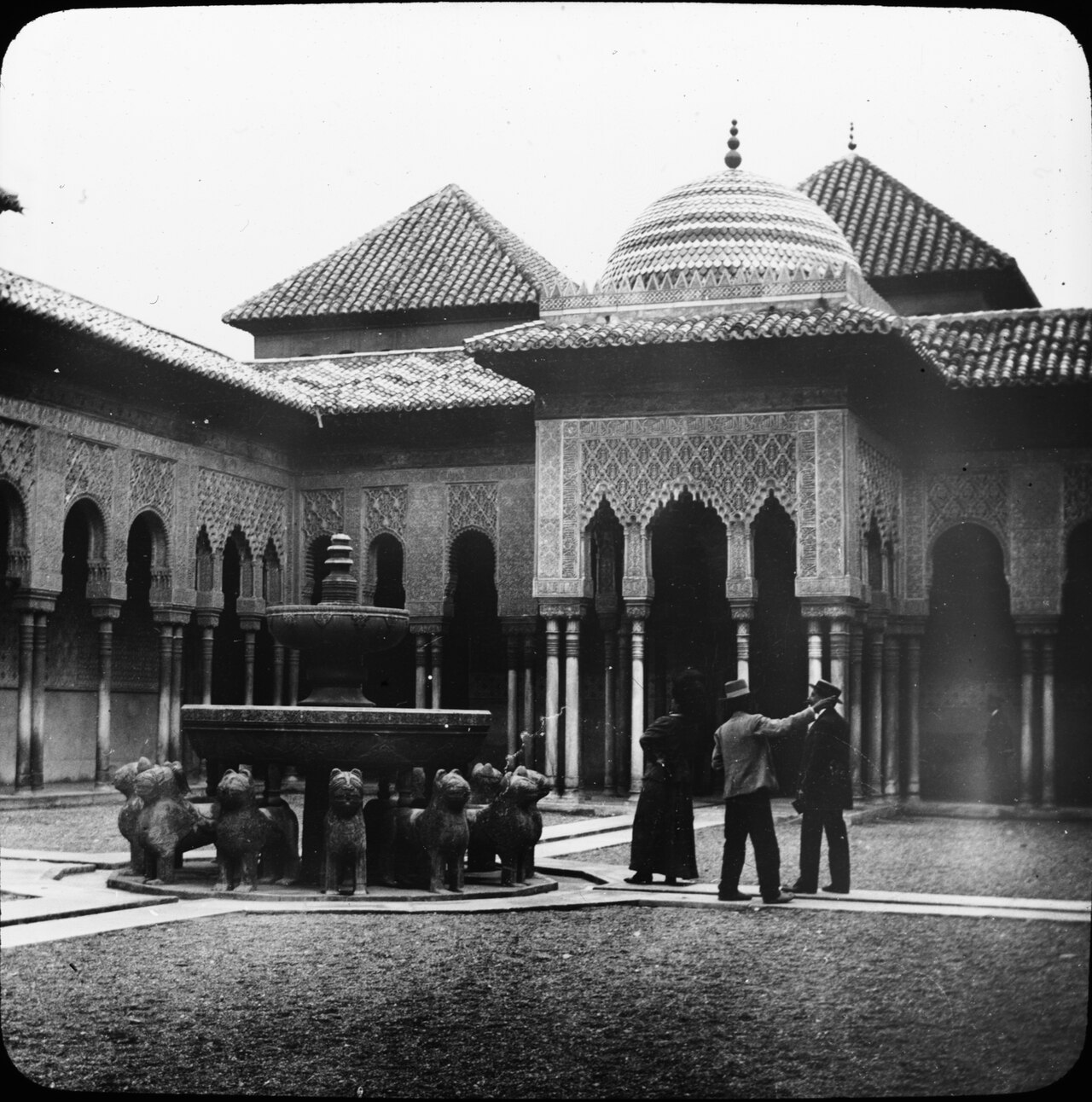
The Alhambra's interior spaces represent a supreme achievement of Islamic ornamental art. Every surface — walls, columns, ceilings, vaults — is covered in an almost overwhelming density of geometric tilework, arabesque plasterwork, and calligraphic inscriptions in Arabic. The famous Court of the Lions (Patio de los Leones), built by Muhammad V around 1370 AD, features a fountain supported by 12 white marble lions at the center of four reflecting channels representing the four rivers of paradise — a garden within a palace, with the sound of water providing an eternal background melody to the surrounding carved arcades of extraordinary delicacy.
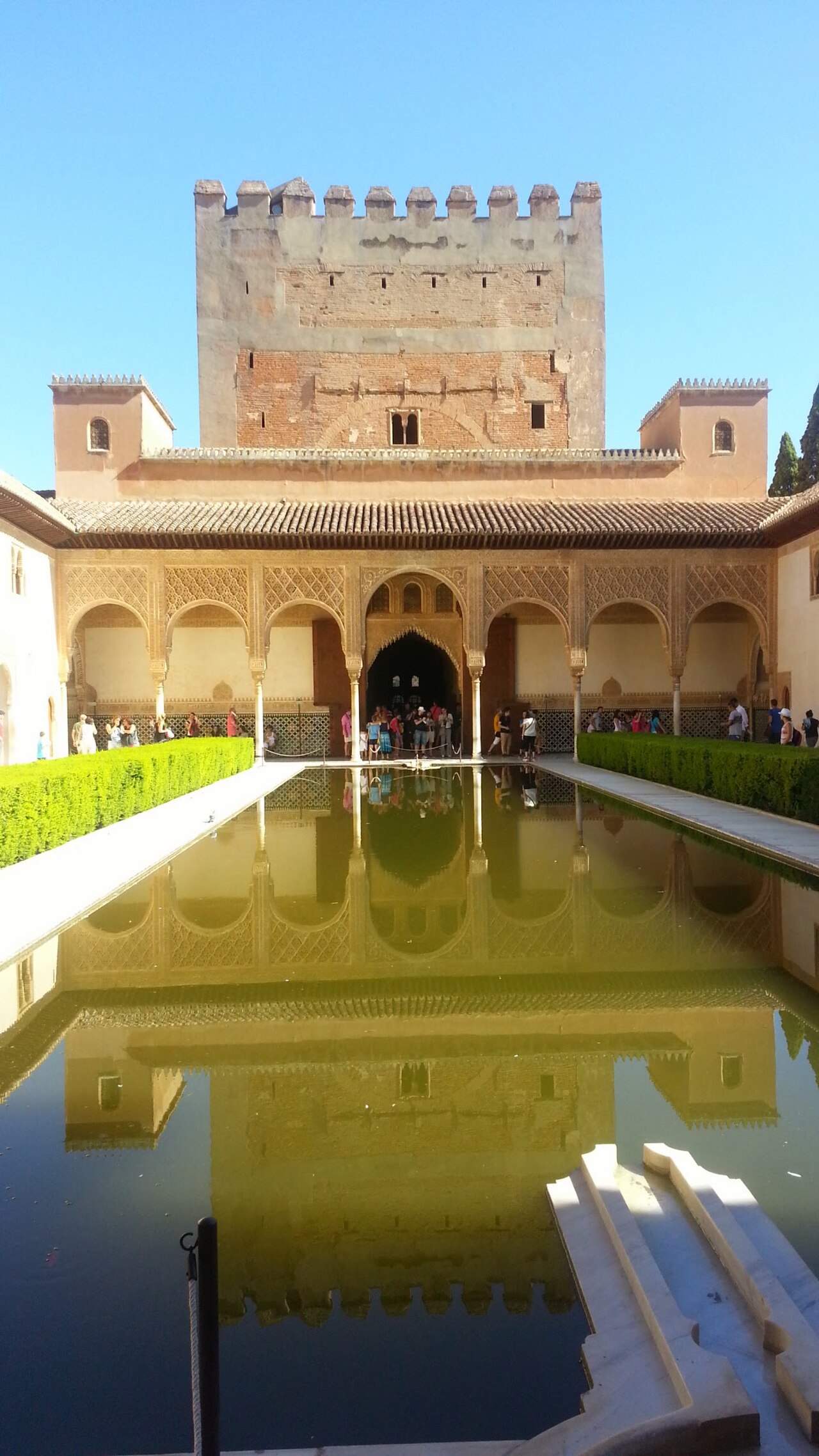
The Nasrid palaces are also marvels of spatial engineering. The domes of the Hall of the Two Sisters and the Hall of the Abencerrages are muqarnas — stalactite-like three-dimensional geometrical structures built up from thousands of individual plaster cells, each one carefully calculated so that the whole creates the illusion of a star-filled sky or a cosmic honeycomb. Contemporary architectural analysis has shown that these muqarnas domes were designed using geometrical principles of extraordinary sophistication that anticipate modern mathematical concepts by centuries.
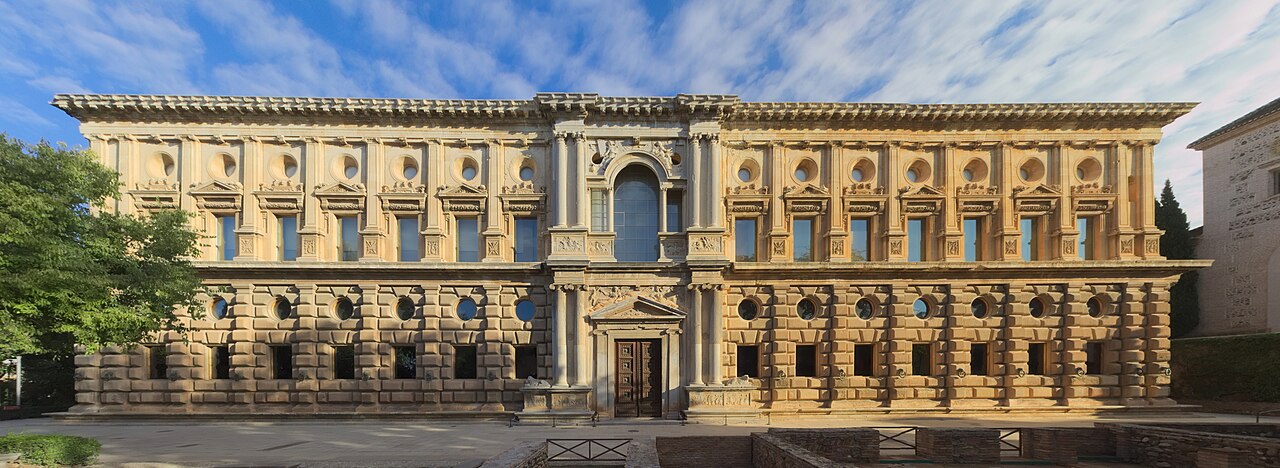
The last Nasrid sultan, Muhammad XII (Boabdil), surrendered Granada to the Catholic monarchs Ferdinand II of Aragon and Isabella I of Castile on January 2, 1492 — the same year Columbus sailed for the Americas. According to legend, as Boabdil looked back at the Alhambra for the last time from a mountain pass, he wept, and his unsympathetic mother reportedly said: 'You weep like a woman for what you could not defend as a man.' The pass is still called 'El Suspiro del Moro' (the Moor's Sigh). Ferdinand and Isabella took possession of the Alhambra and added a new palace, palaces, and a church within its walls.
The Alhambra was designated a UNESCO World Heritage Site in 1984 and today receives approximately 2.7 million visitors annually — so many that advance booking is now mandatory months in advance. The Washington Irving's celebrated book 'Tales of the Alhambra' (1832), written while he lived in the ruined palace as a guest of the Spanish governor, introduced the monument to the Romantic imagination and ignited international fascination with Moorish Spain that continues to this day. Ongoing conservation work struggles to maintain the delicate plasterwork against humidity, pollution, and the footsteps of millions of admirers.